


























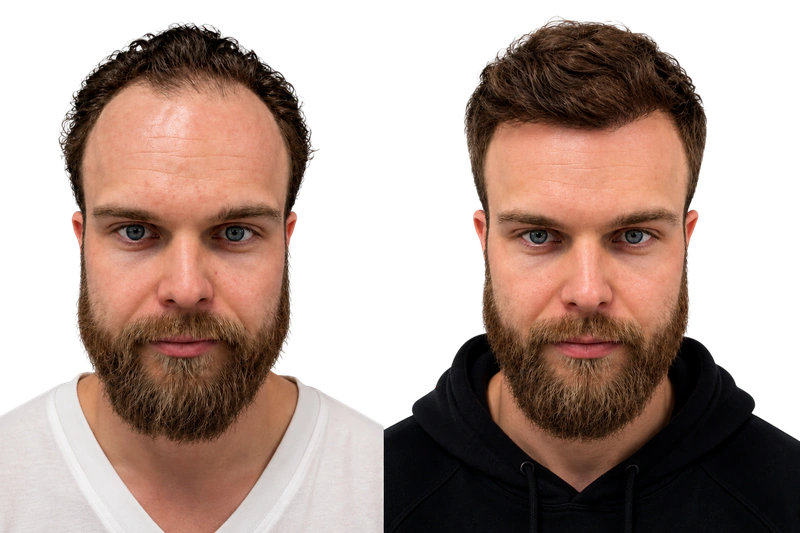

start
12 months on
2,800 grafts
FUE method
City Medical Centre
0% instalments
from $367/mo
The advice and a price — $0.
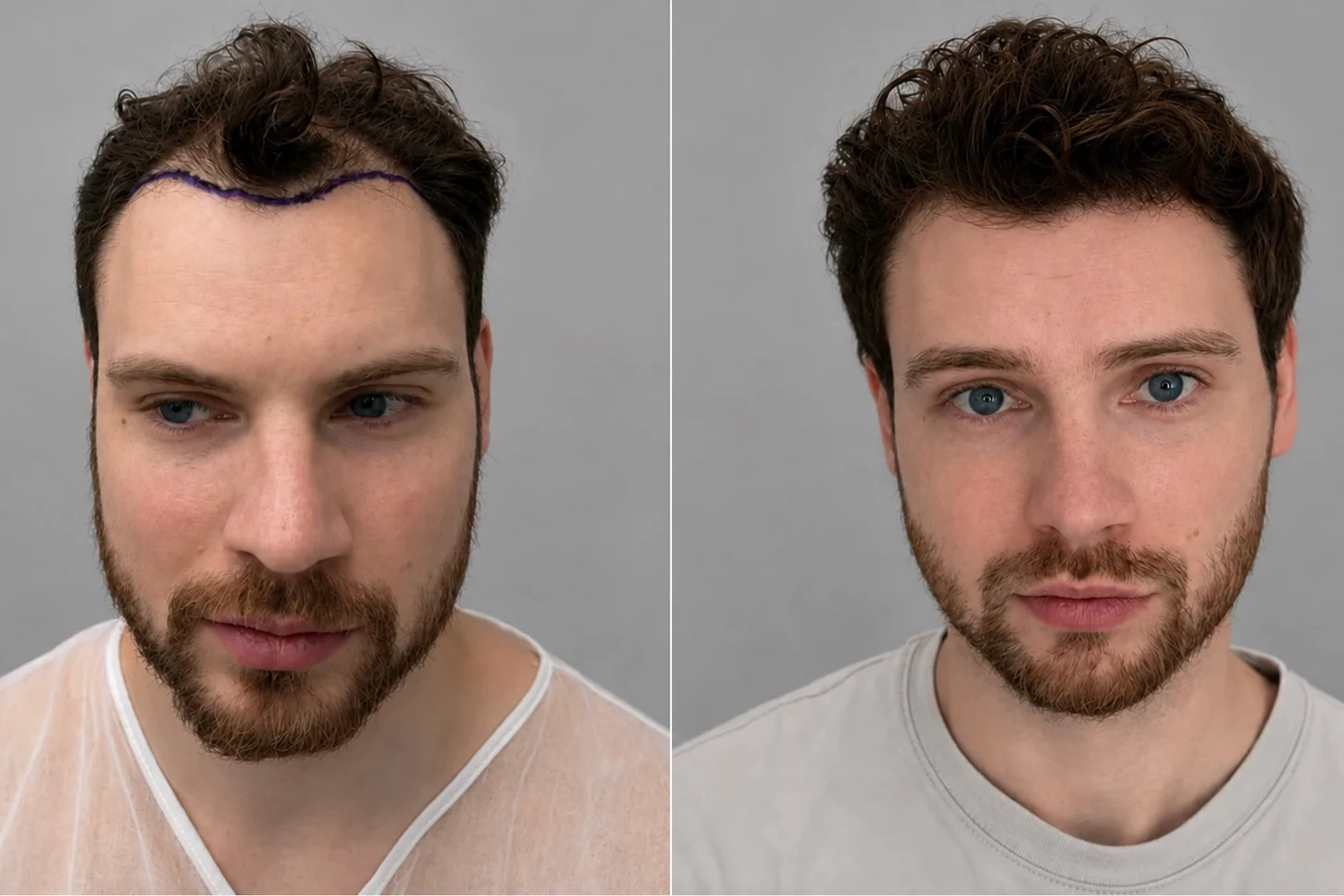
True case
start
12 months on
FUE, without incisions. Graft count and a result forecast added up, nothing to pay — before you decide.
It costs nothing, no surgery booking required
Message our coordinator
Free online consultation · Reply within 15 minutes
Message us on TelegramMessage us on WhatsAppBy messaging us, you agree to our Privacy Policy
results
Genuine patients only, with nothing staged.
In our Telegram community you can ask the clinic's patients directly.
start
12 months on
2,800 grafts
FUE method
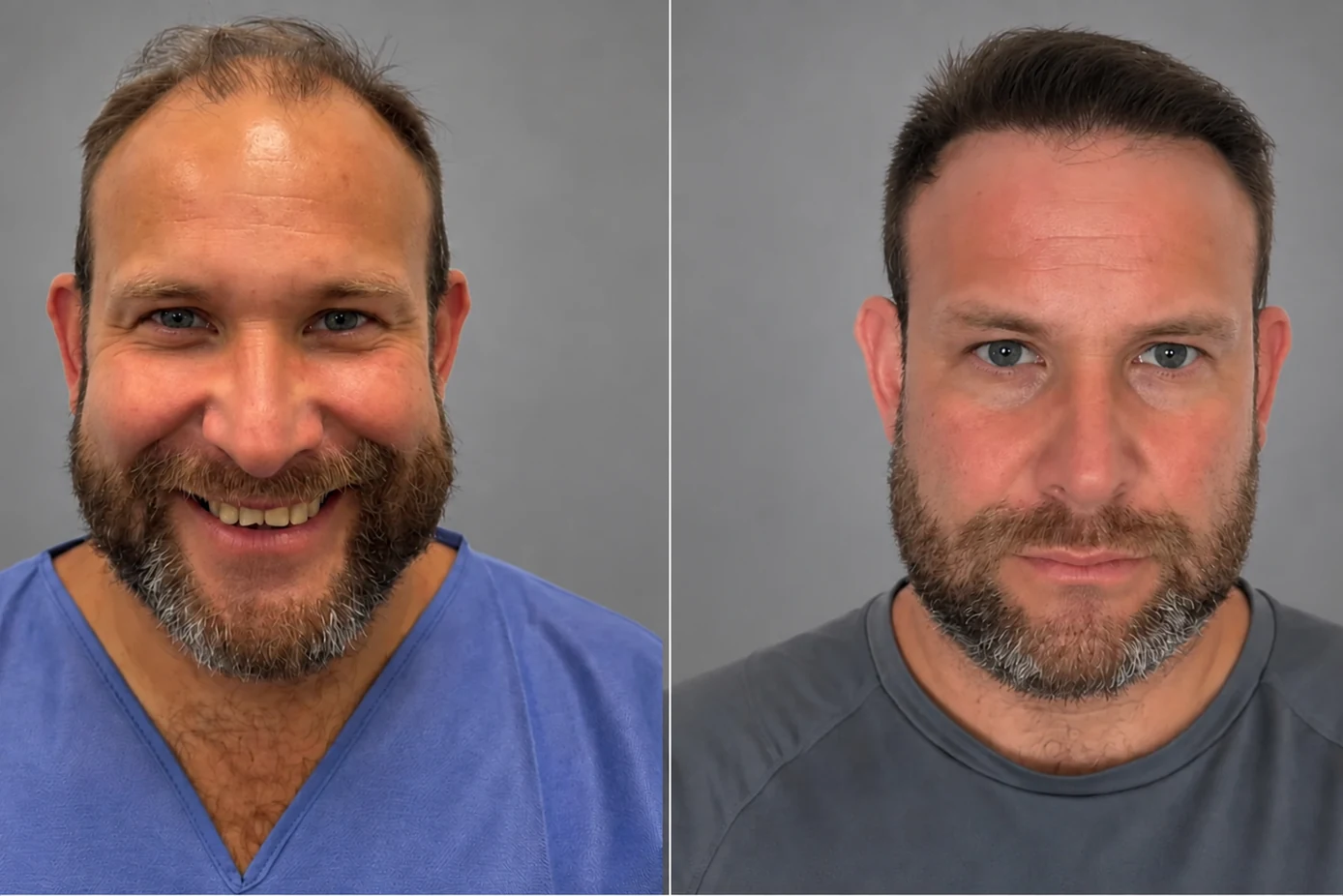
start
12 months on
3,500 grafts
FUE method
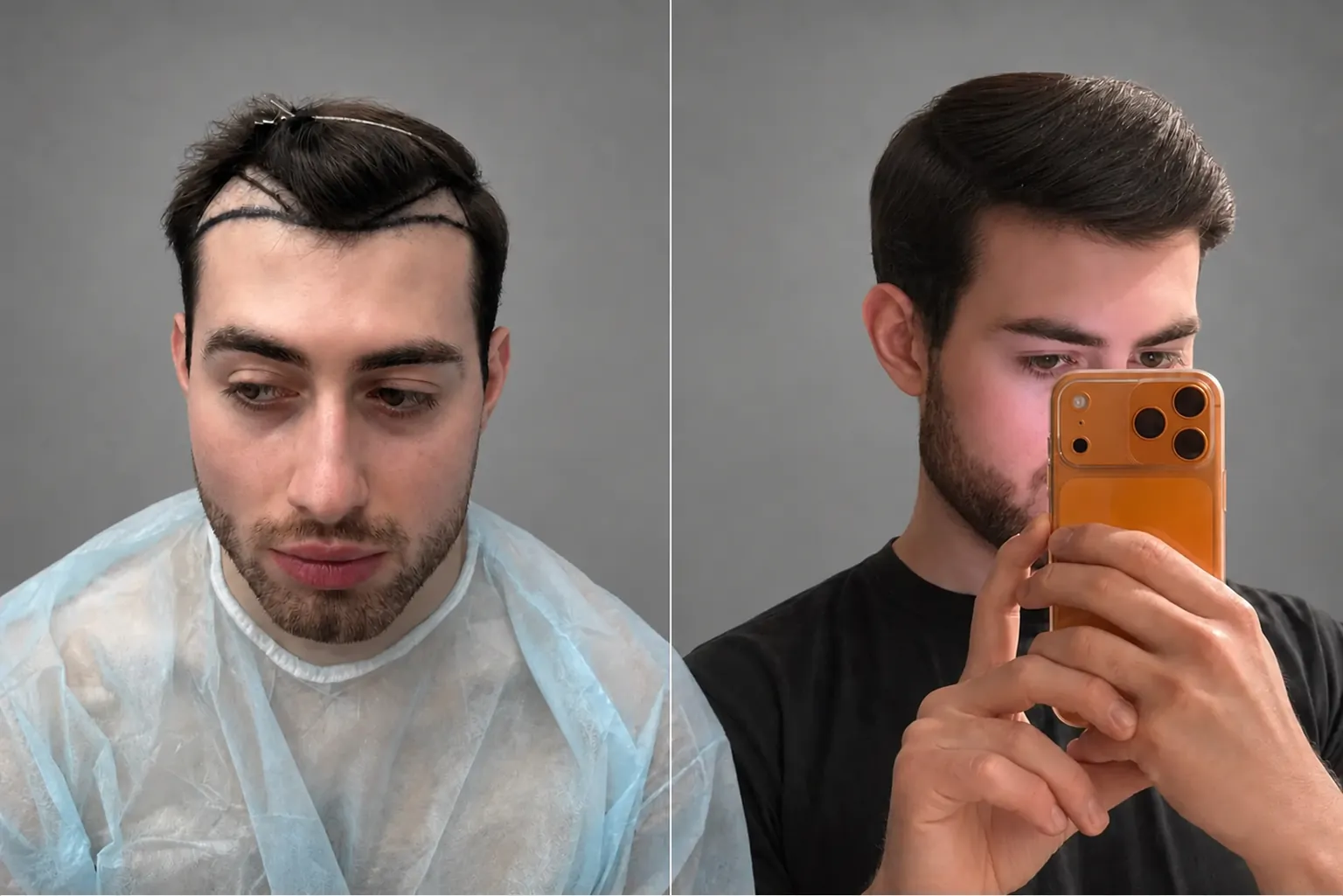
start
12 months on
2,600 grafts
FUE method
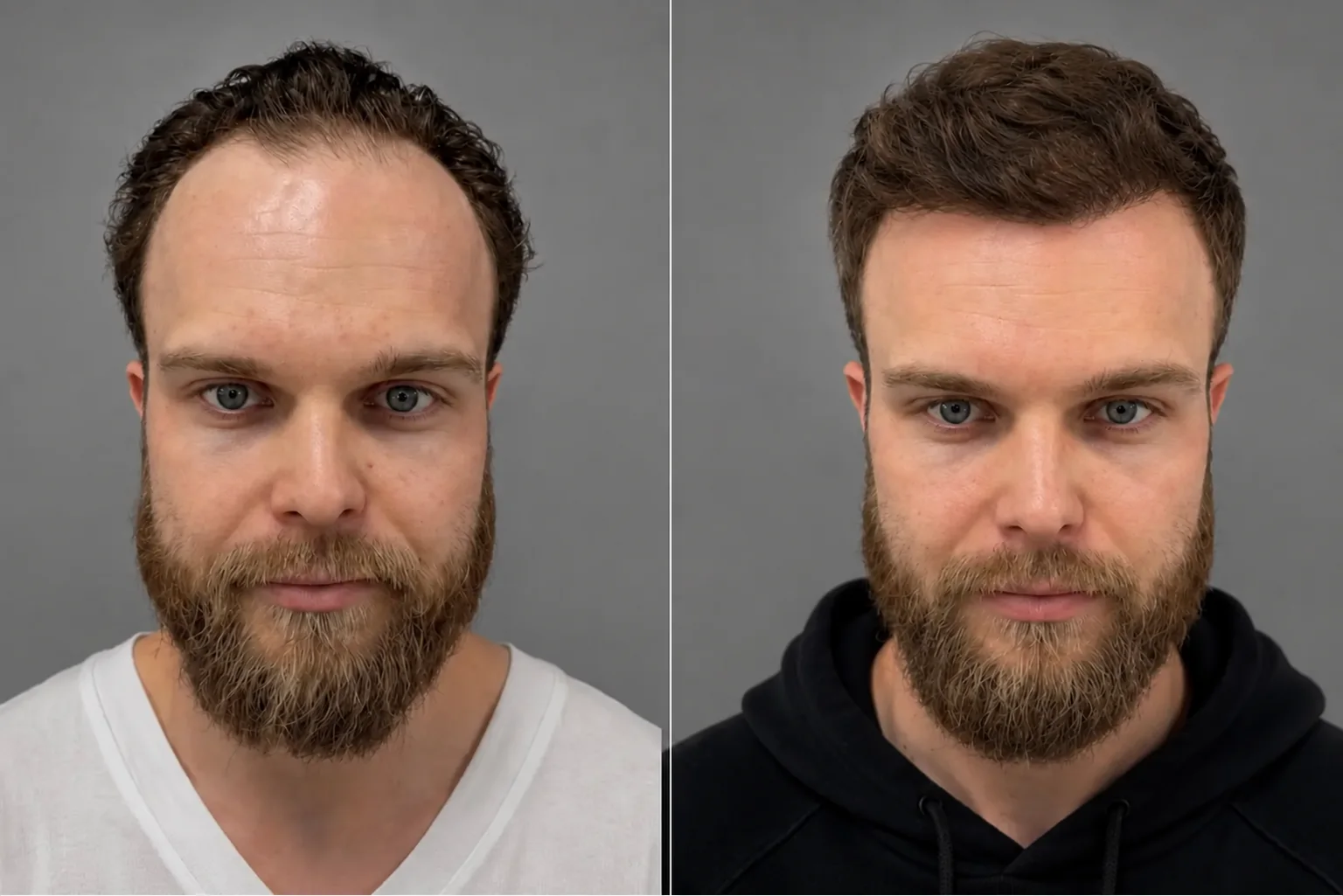
start
12 months on
3,000 grafts
FUE method
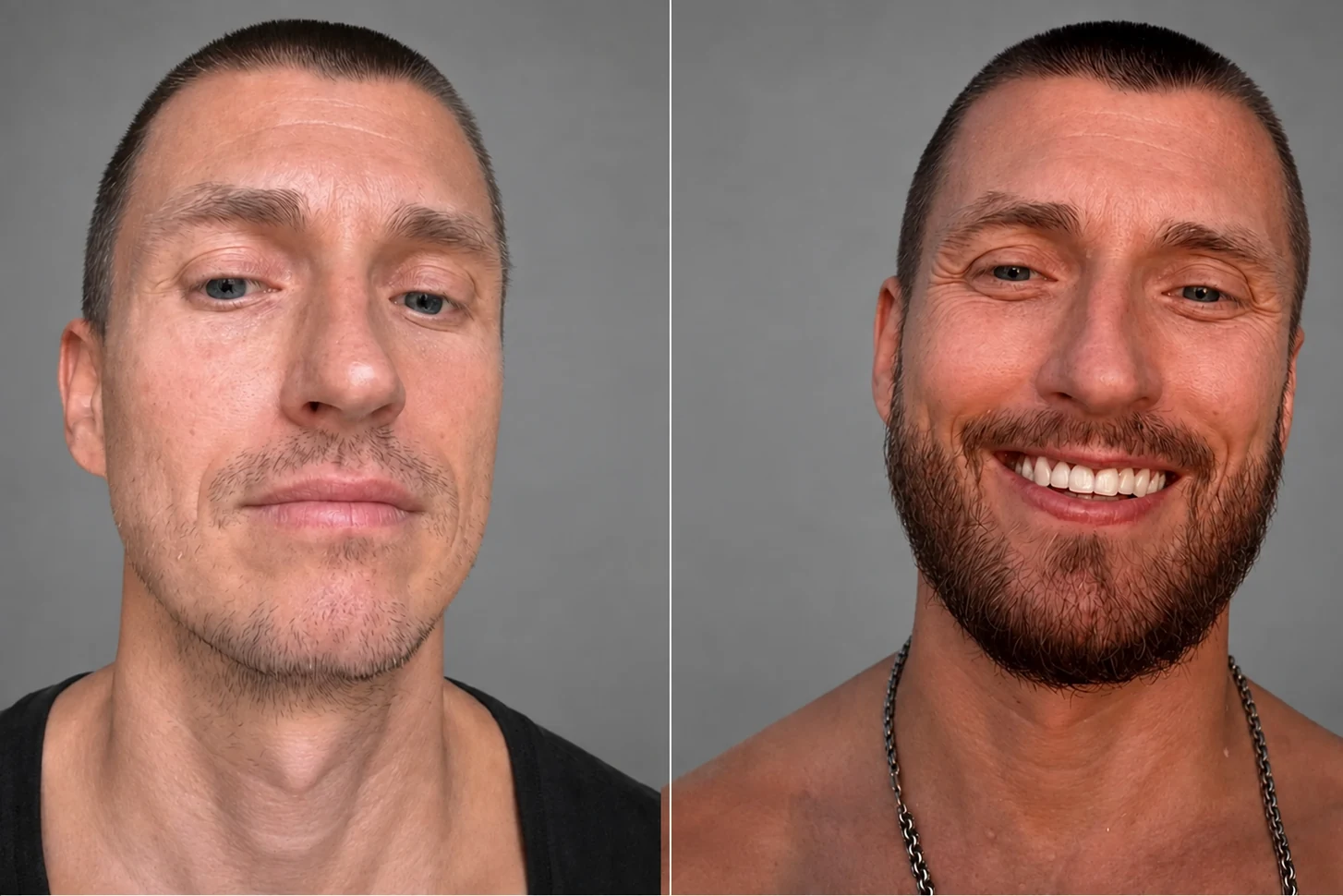
start
12 months on
2,700 grafts
FUE method
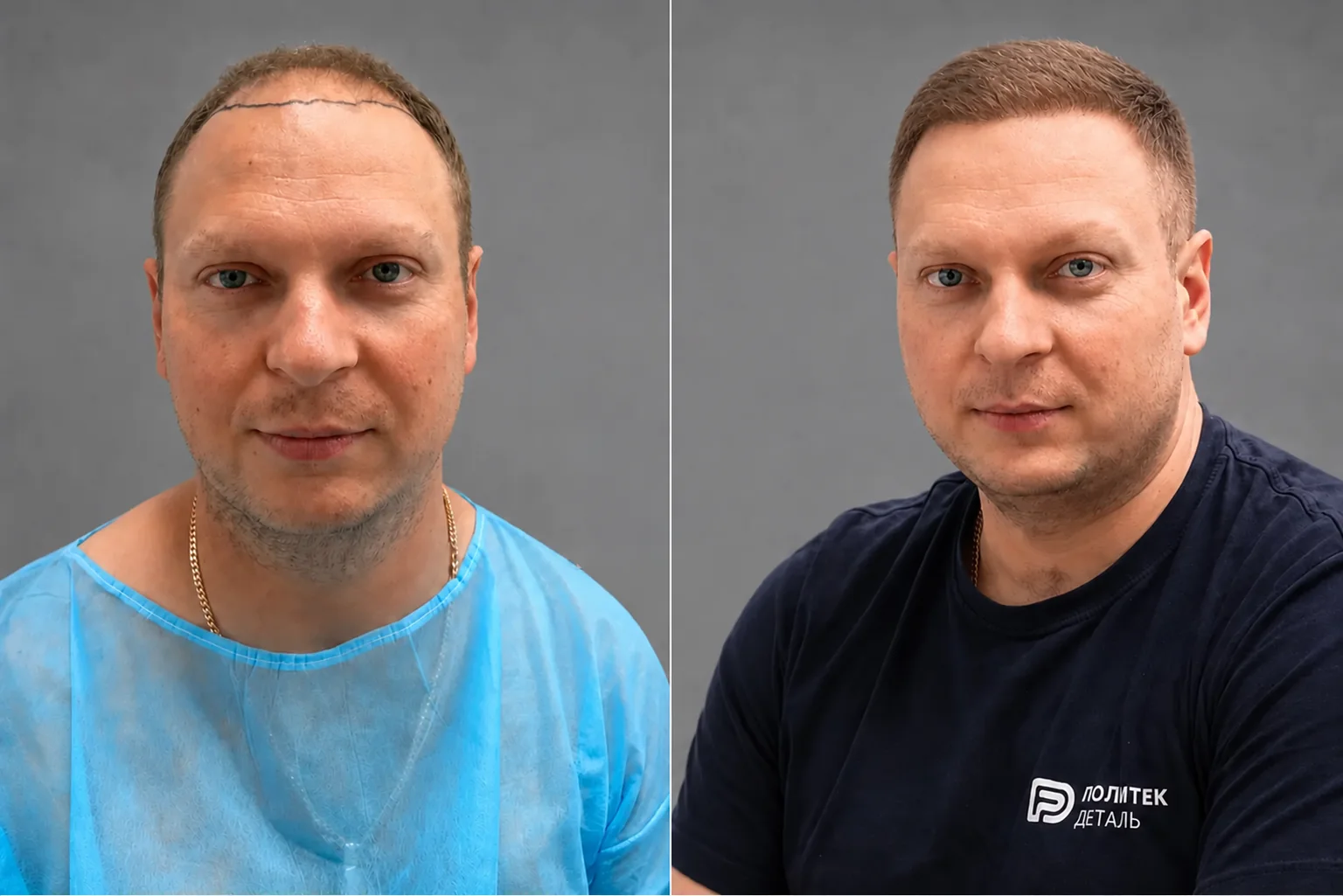
start
12 months on
3,300 grafts
FUE method
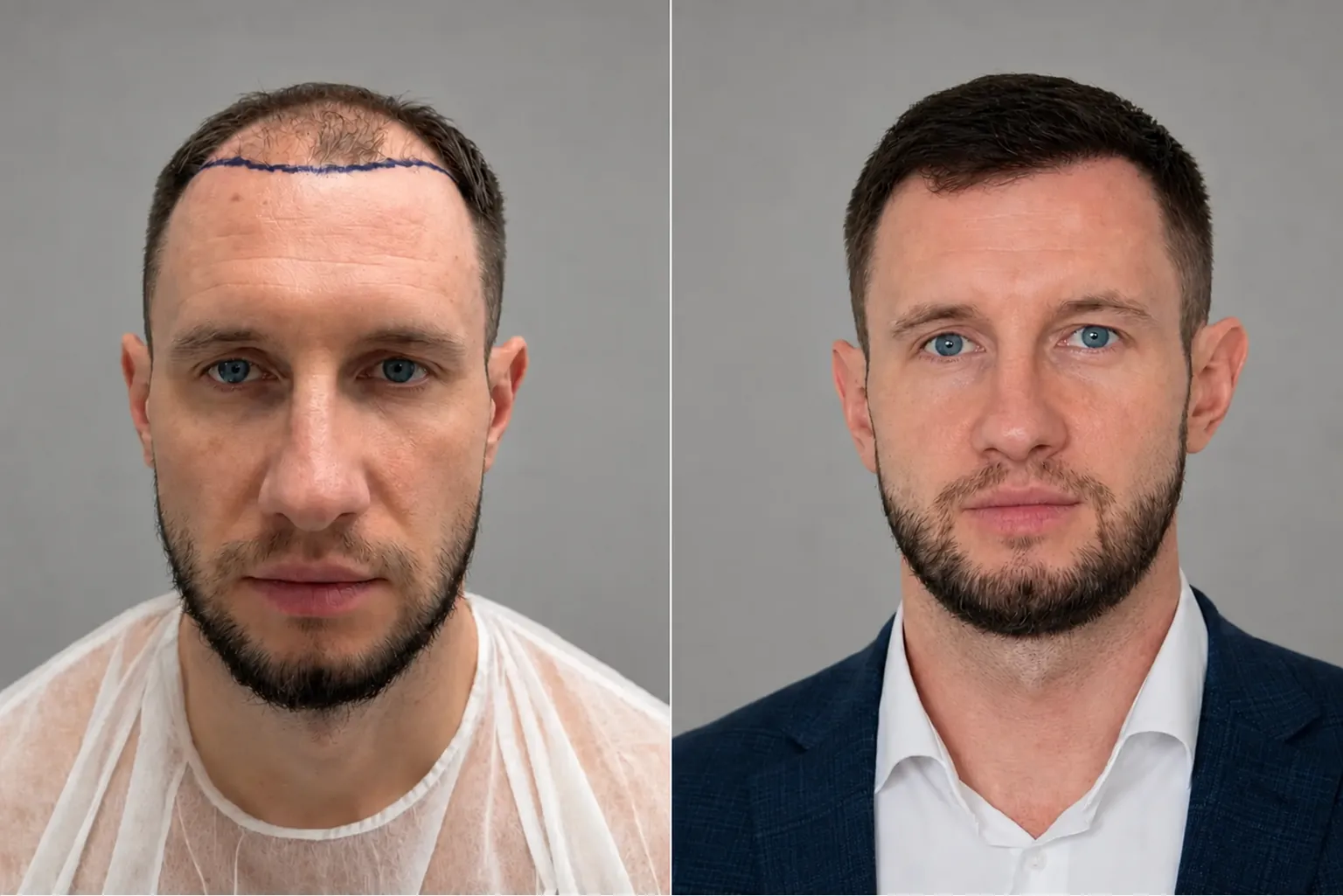
start
12 months on
2,900 grafts
FUE method
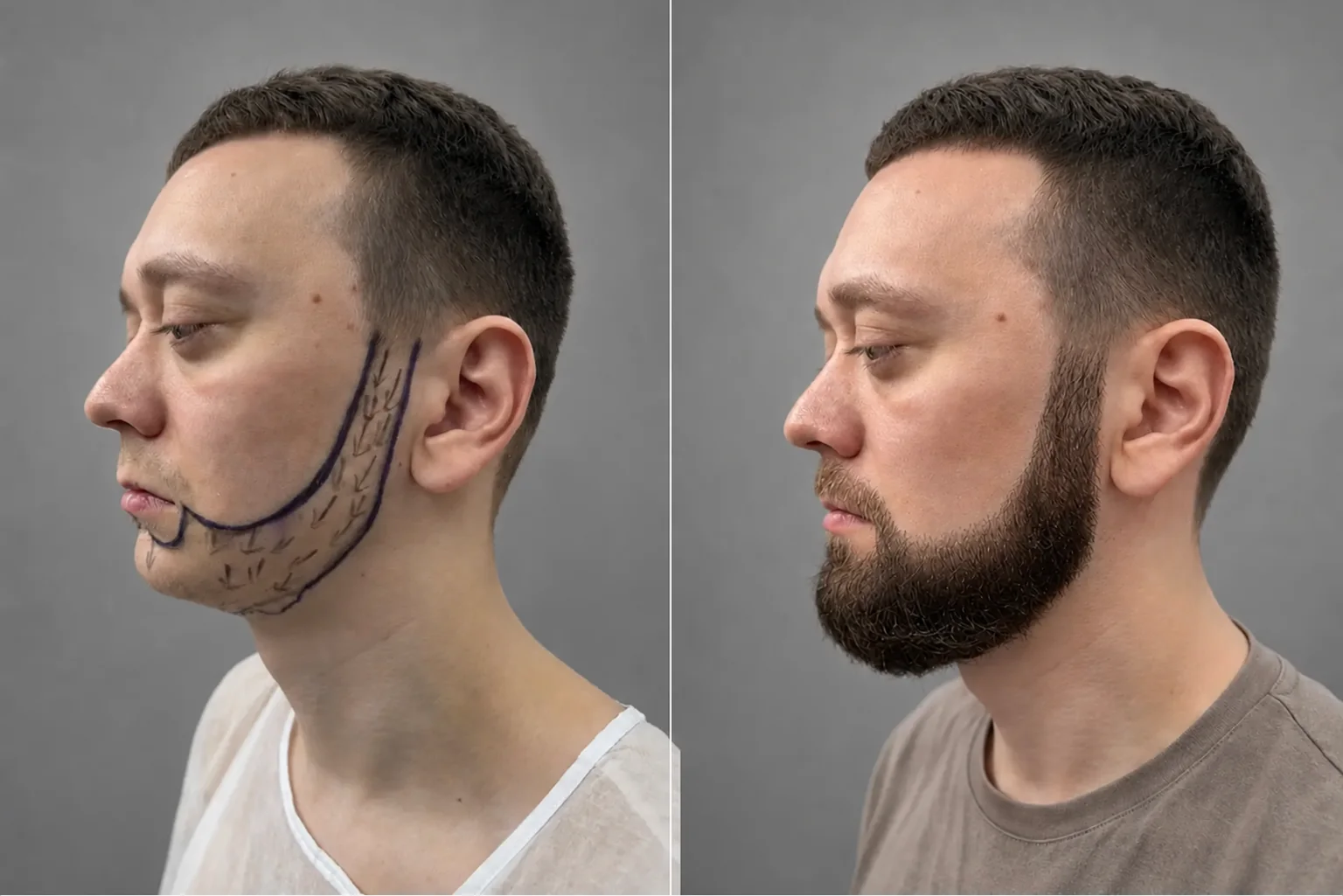
start
12 months on
2,500 grafts
FUE method
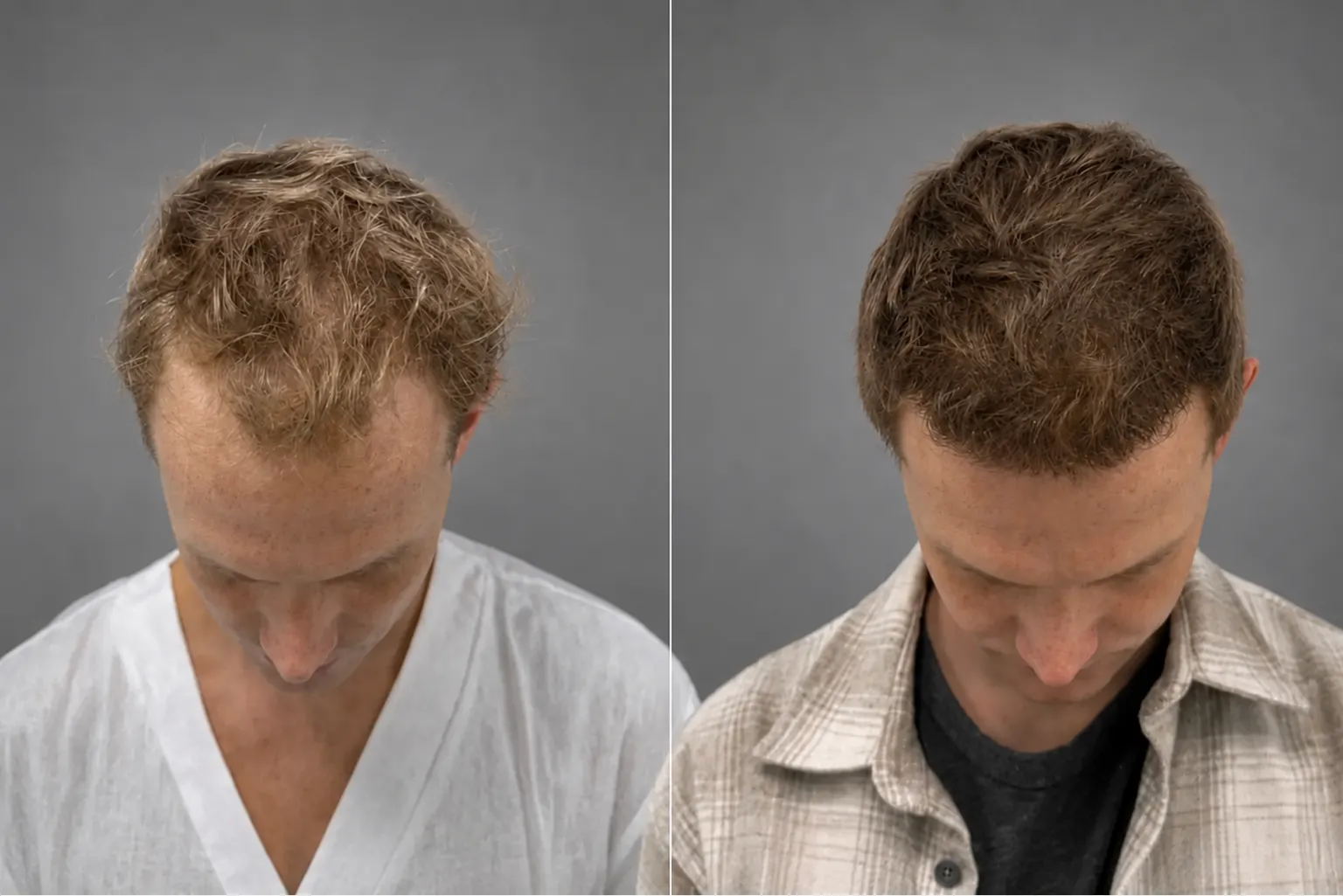
start
12 months on
3,400 grafts
FUE method
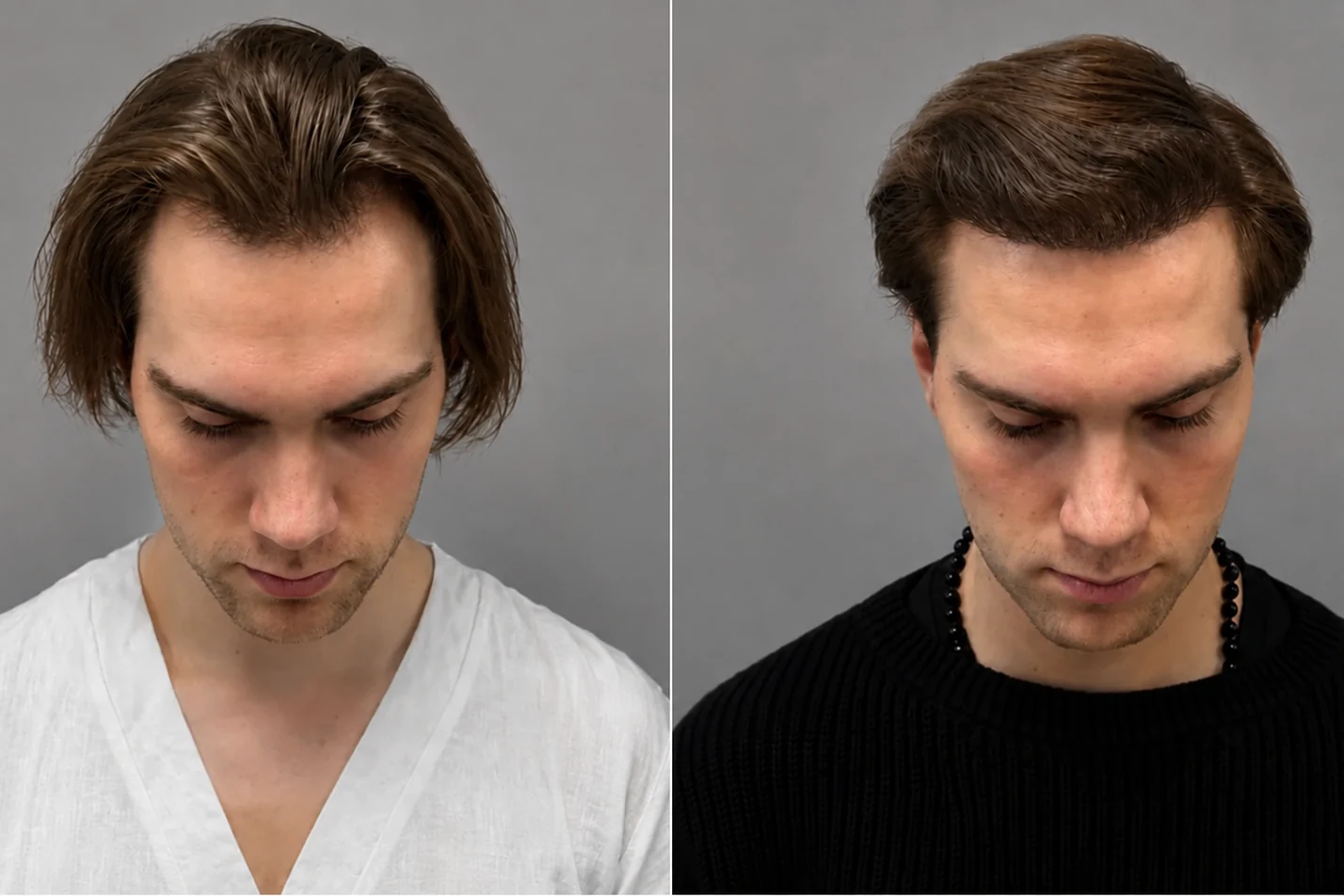
start
12 months on
2,500 grafts
FUE method
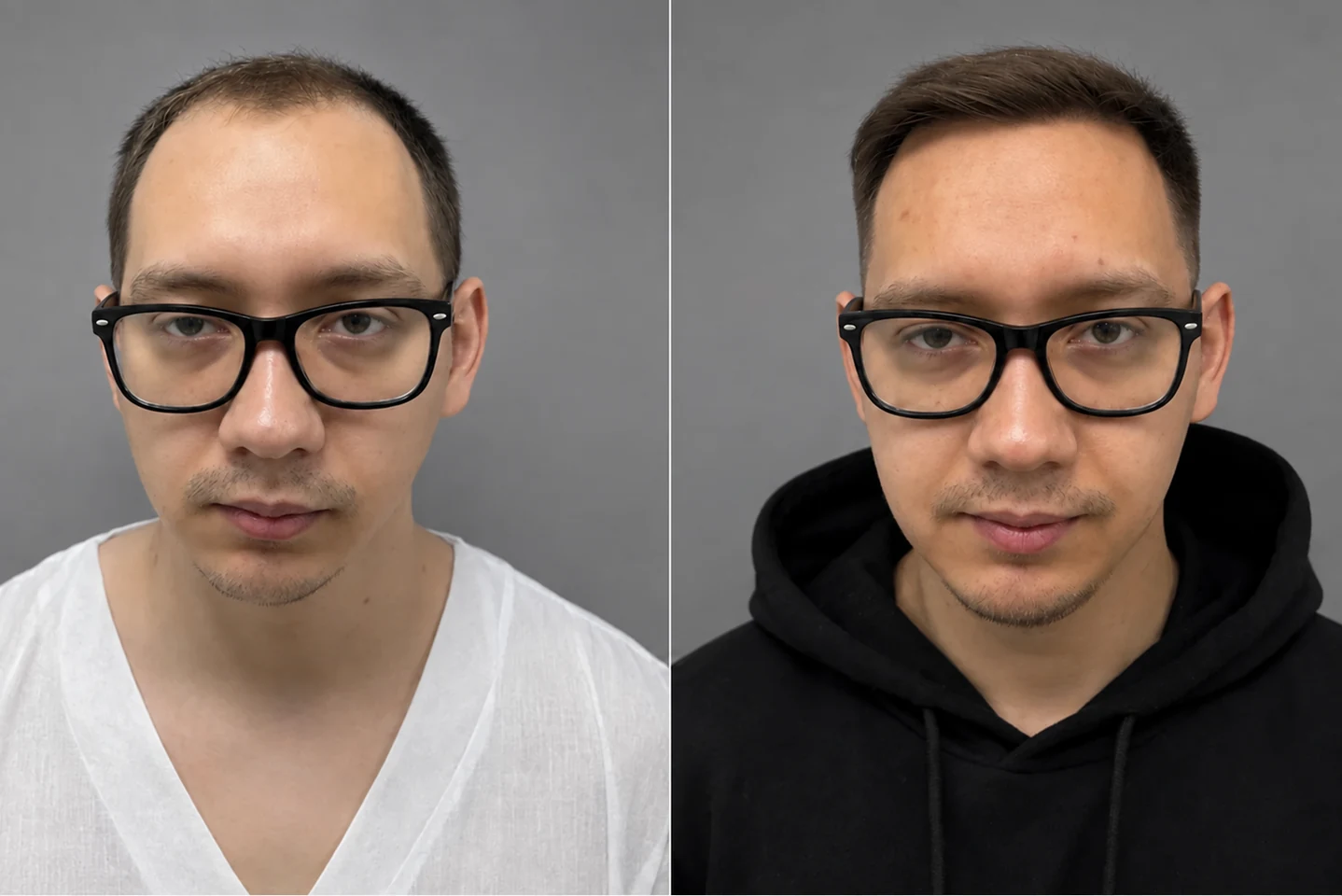
start
12 months on
3,100 grafts
FUE method
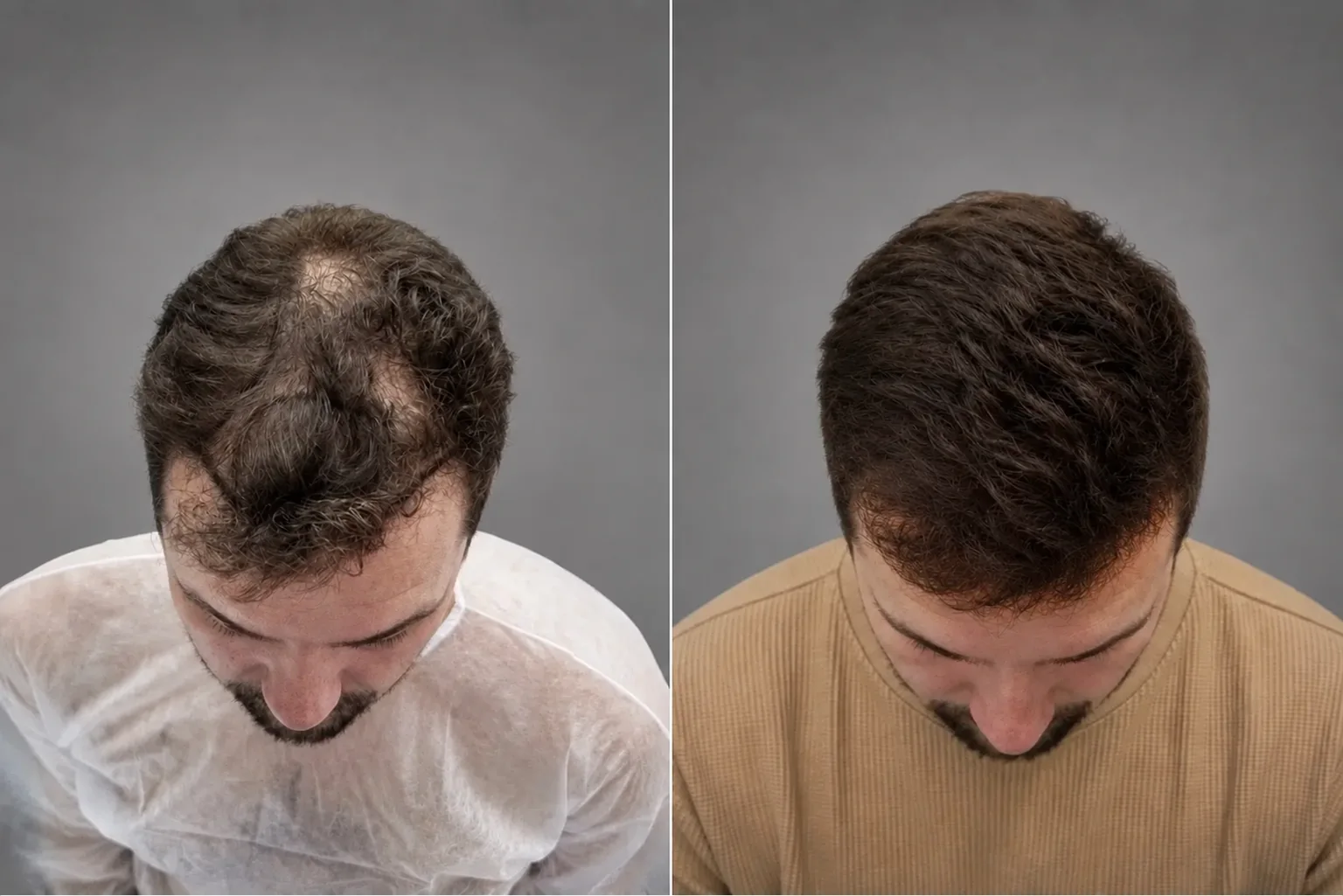
start
12 months on
3,600 grafts
FUE method
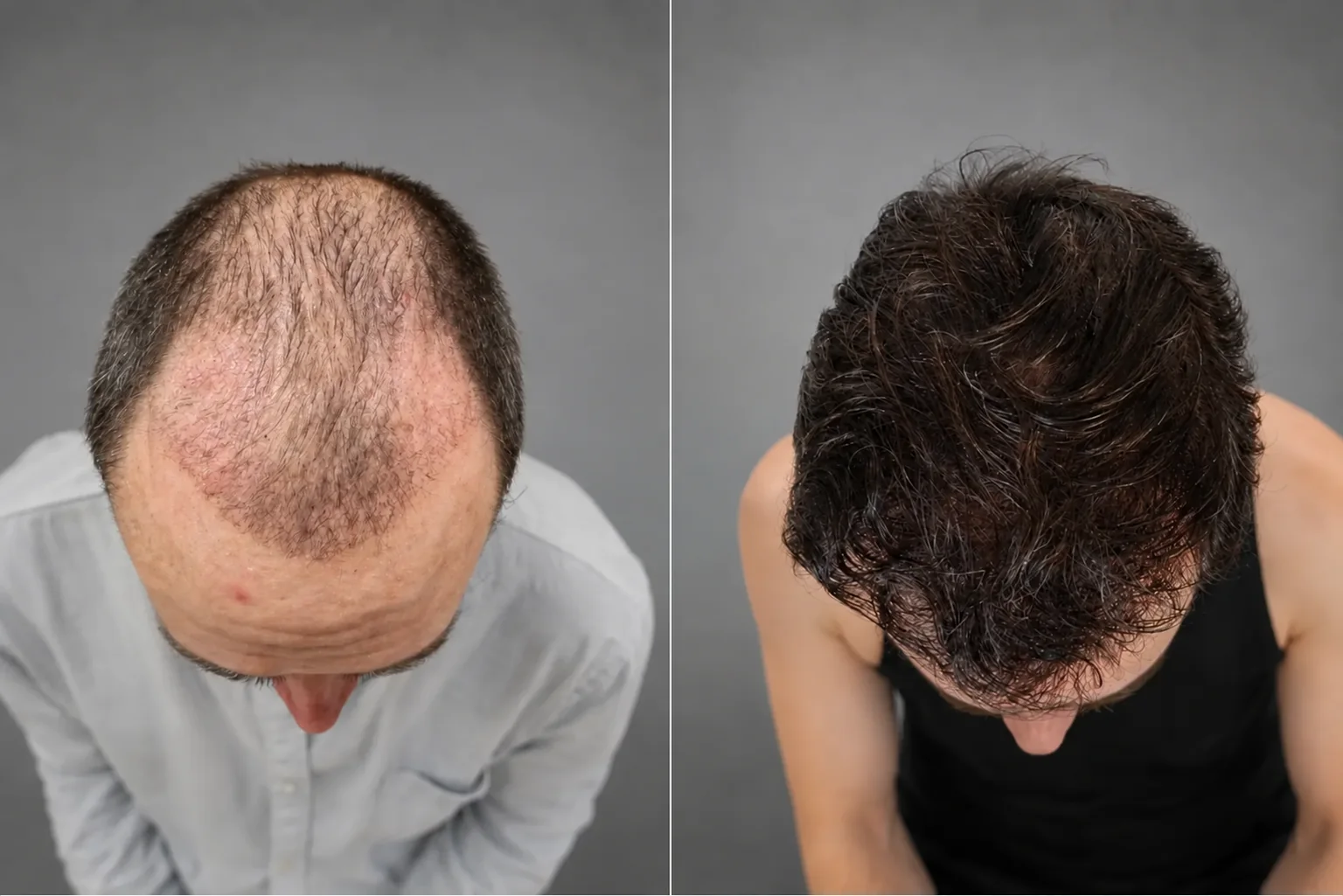
start
12 months on
4,000 grafts
FUE method
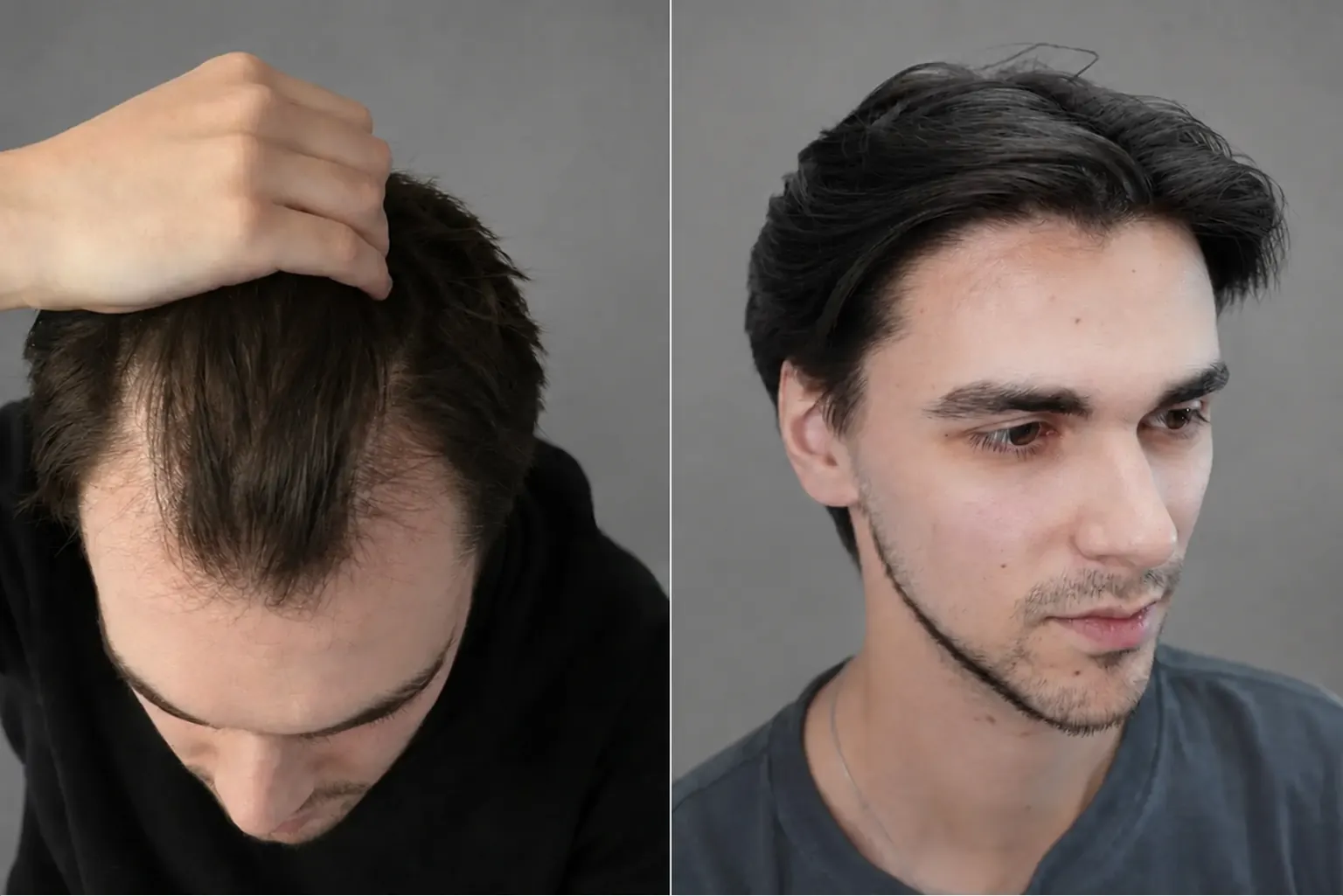
start
12 months on
3,200 grafts
FUE method
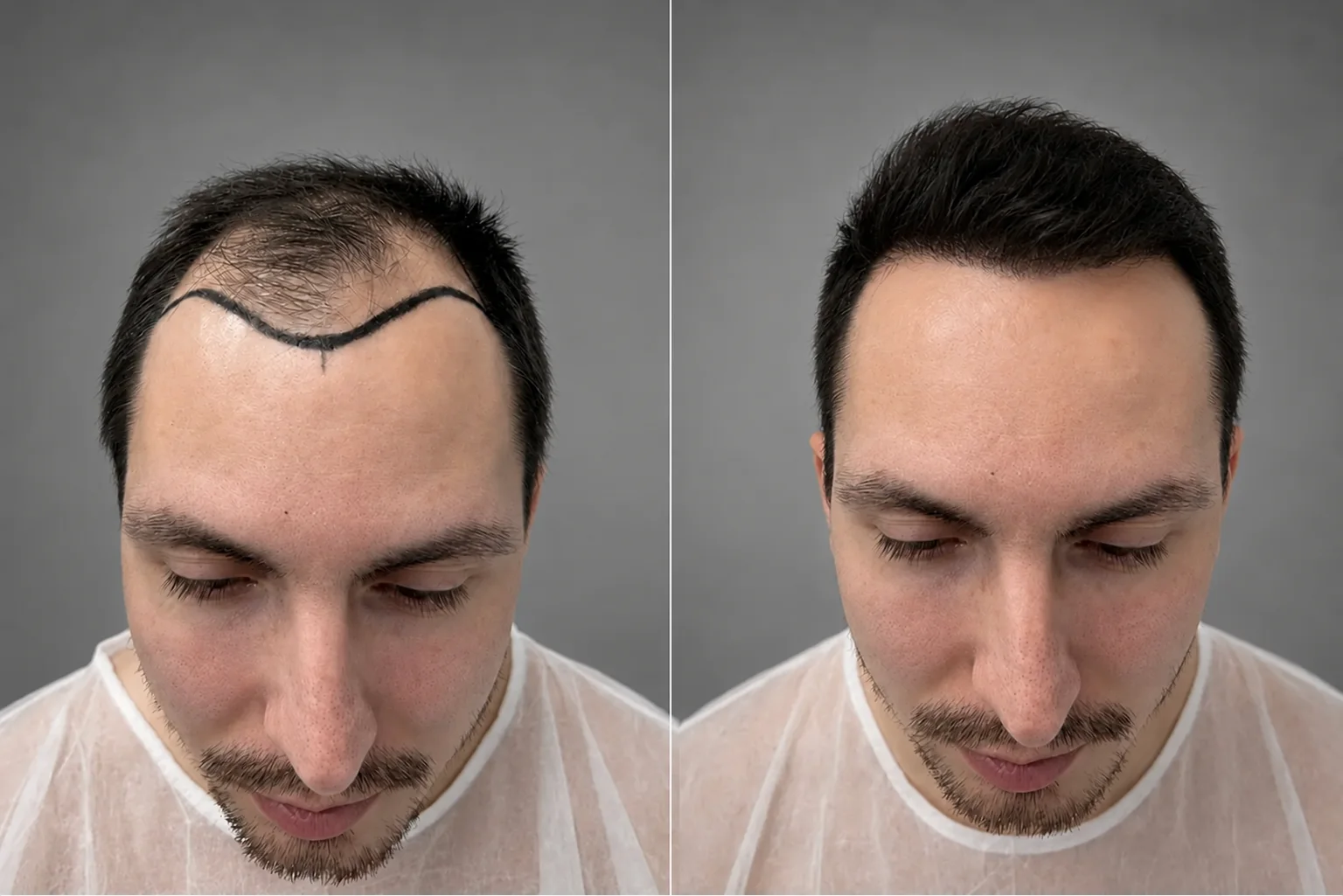
start
12 months on
3,000 grafts
FUE method
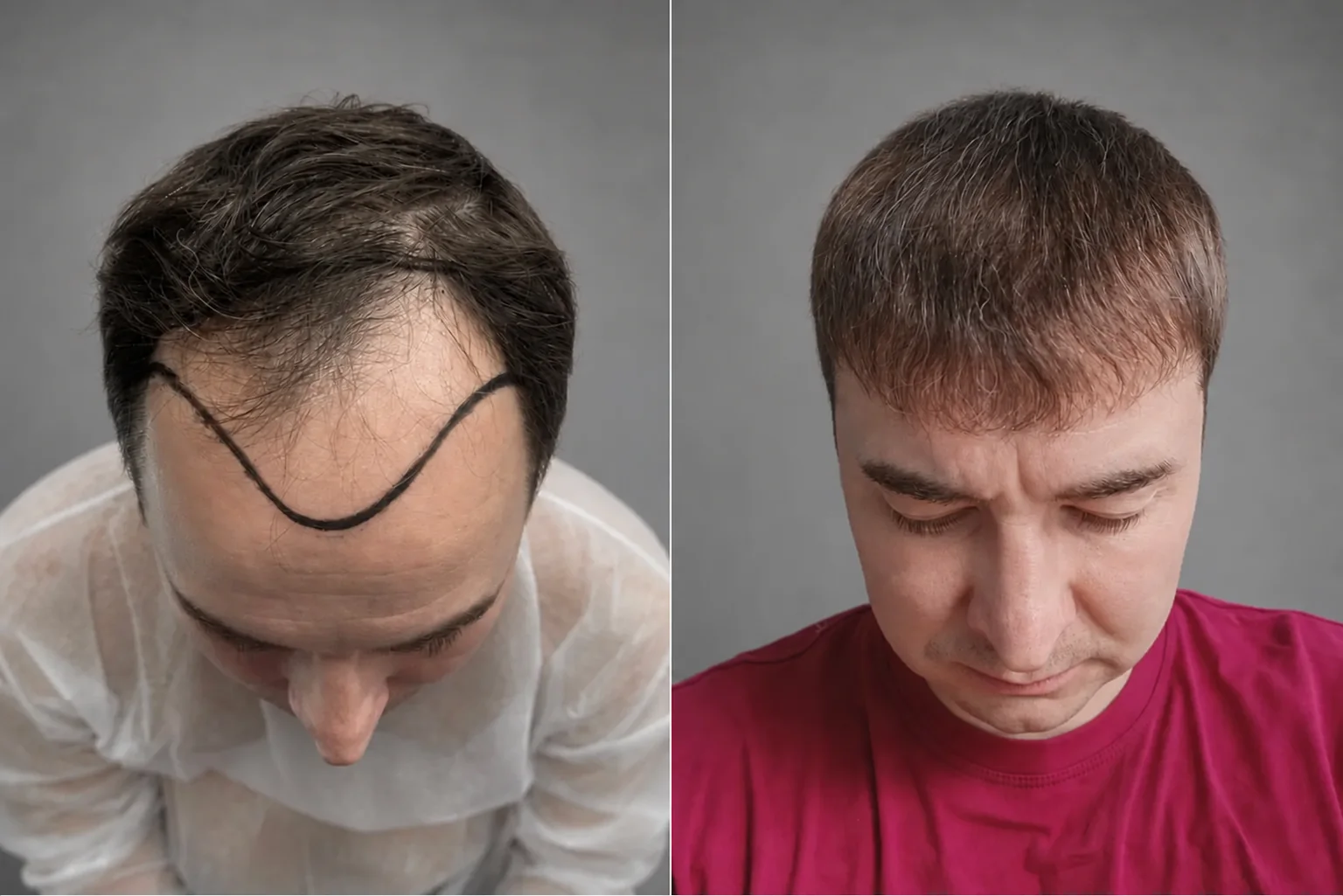
start
12 months on
3,700 grafts
FUE method
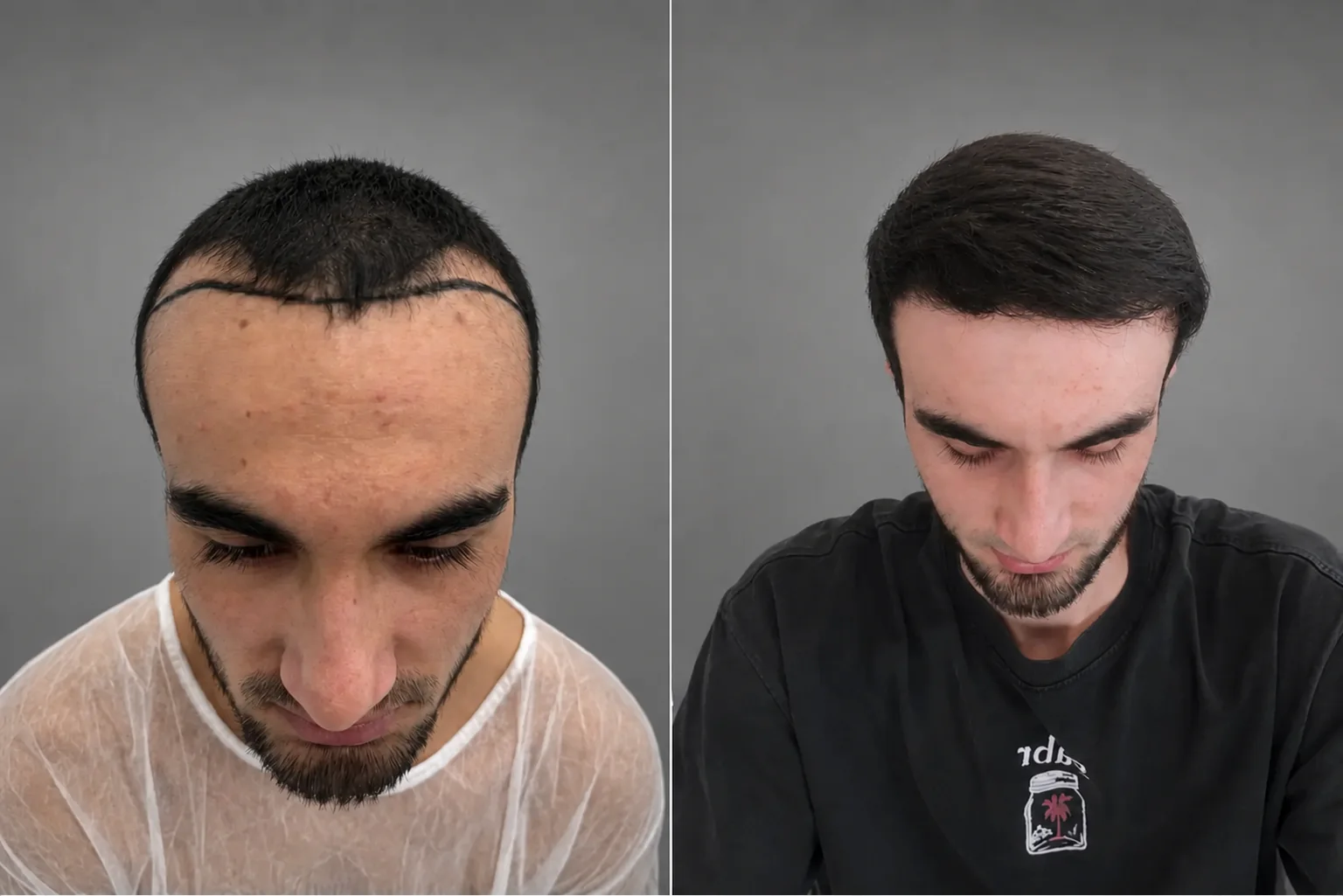
start
12 months on
2,700 grafts
FUE method
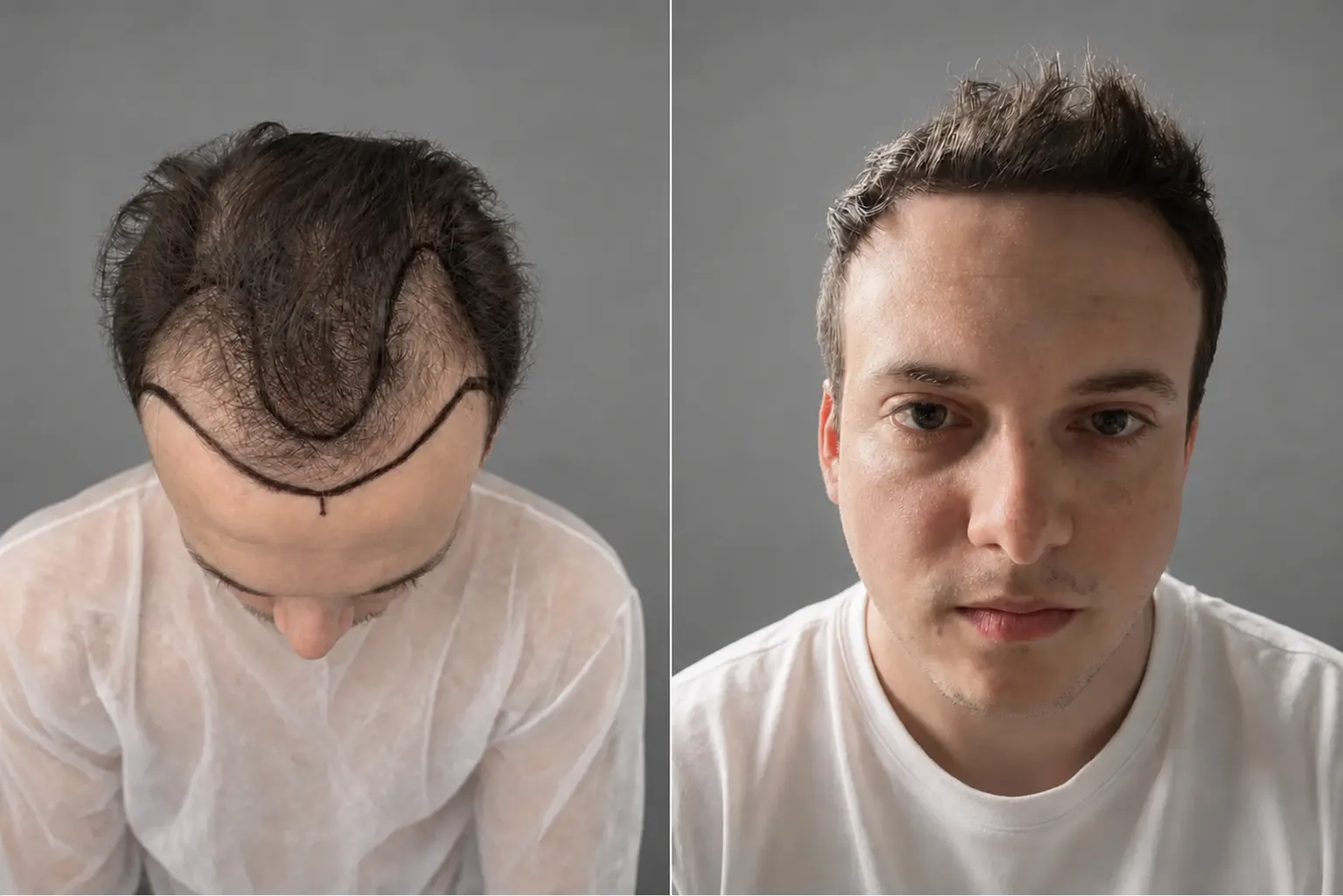
start
12 months on
3,800 grafts
FUE method
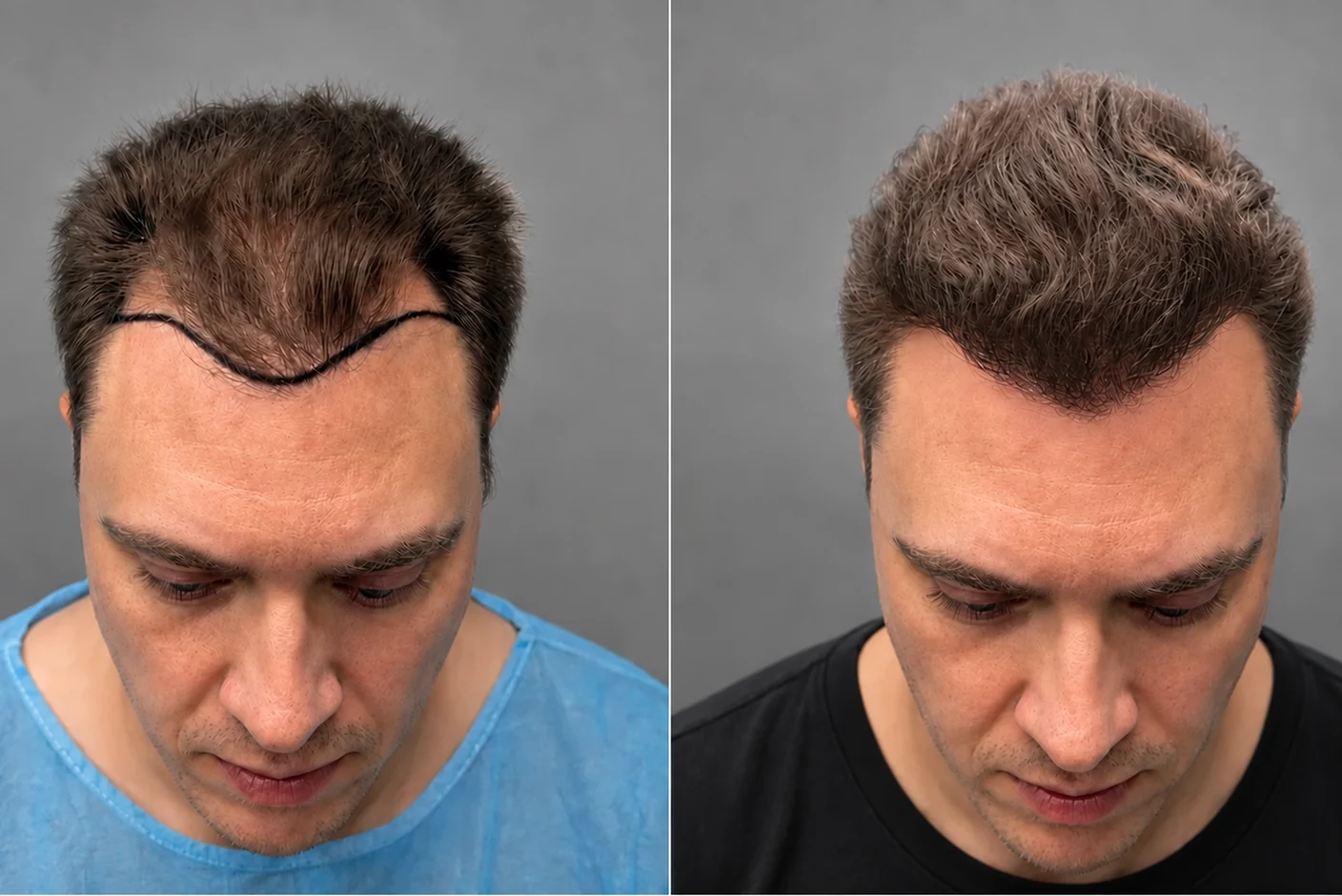
start
12 months on
3,300 grafts
FUE method
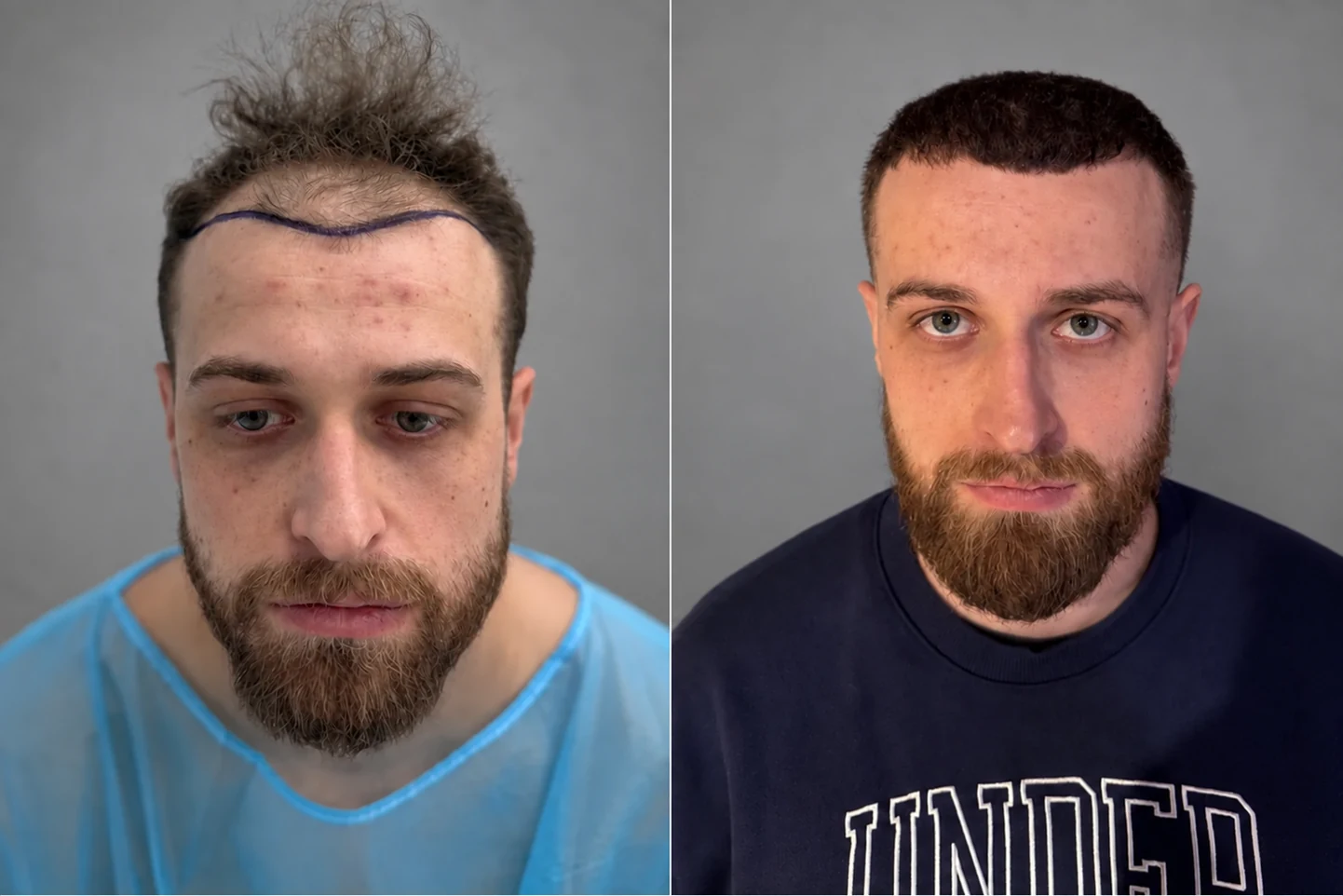
start
12 months on
2,800 grafts
FUE method
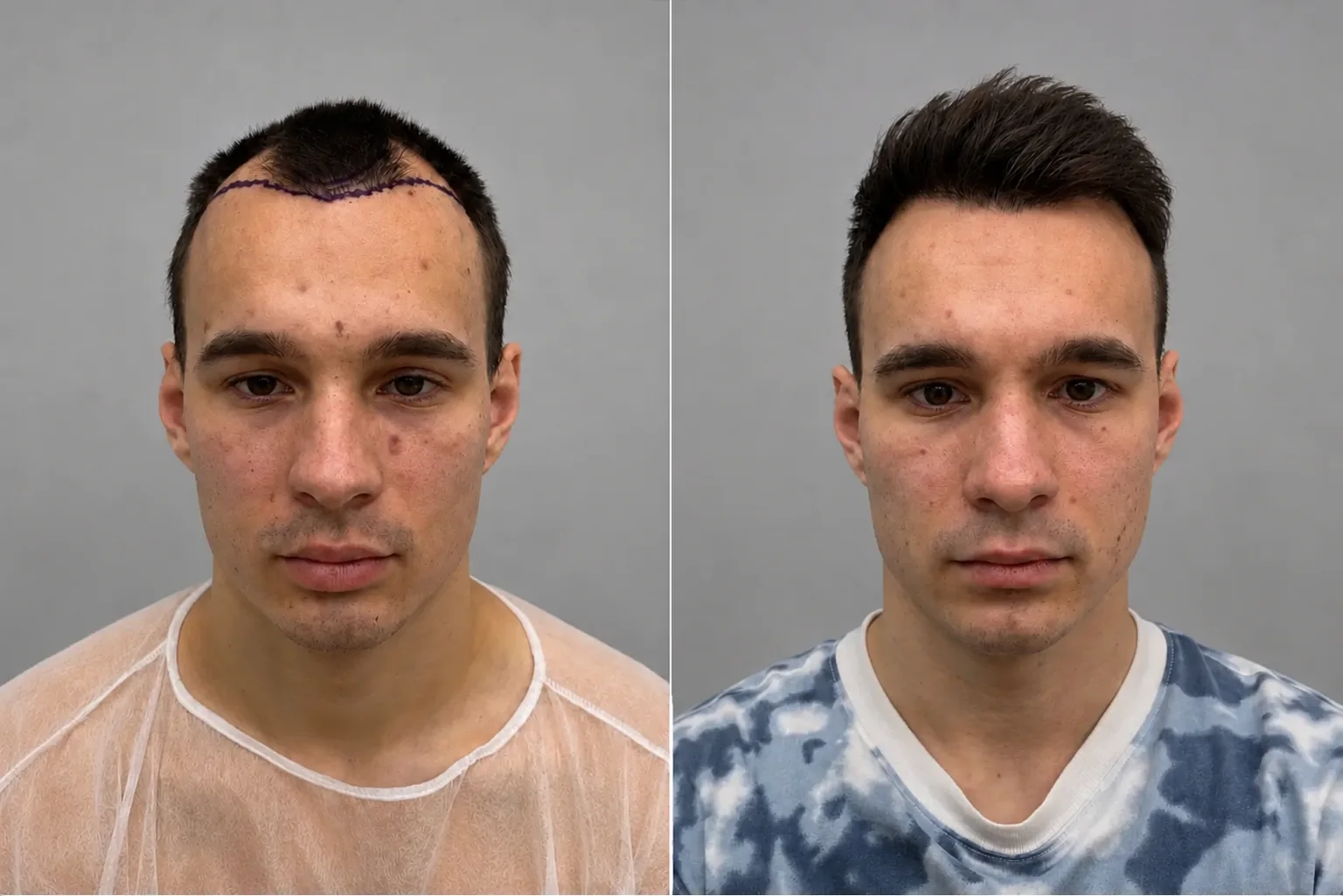
start
12 months on
2,500 grafts
FUE method
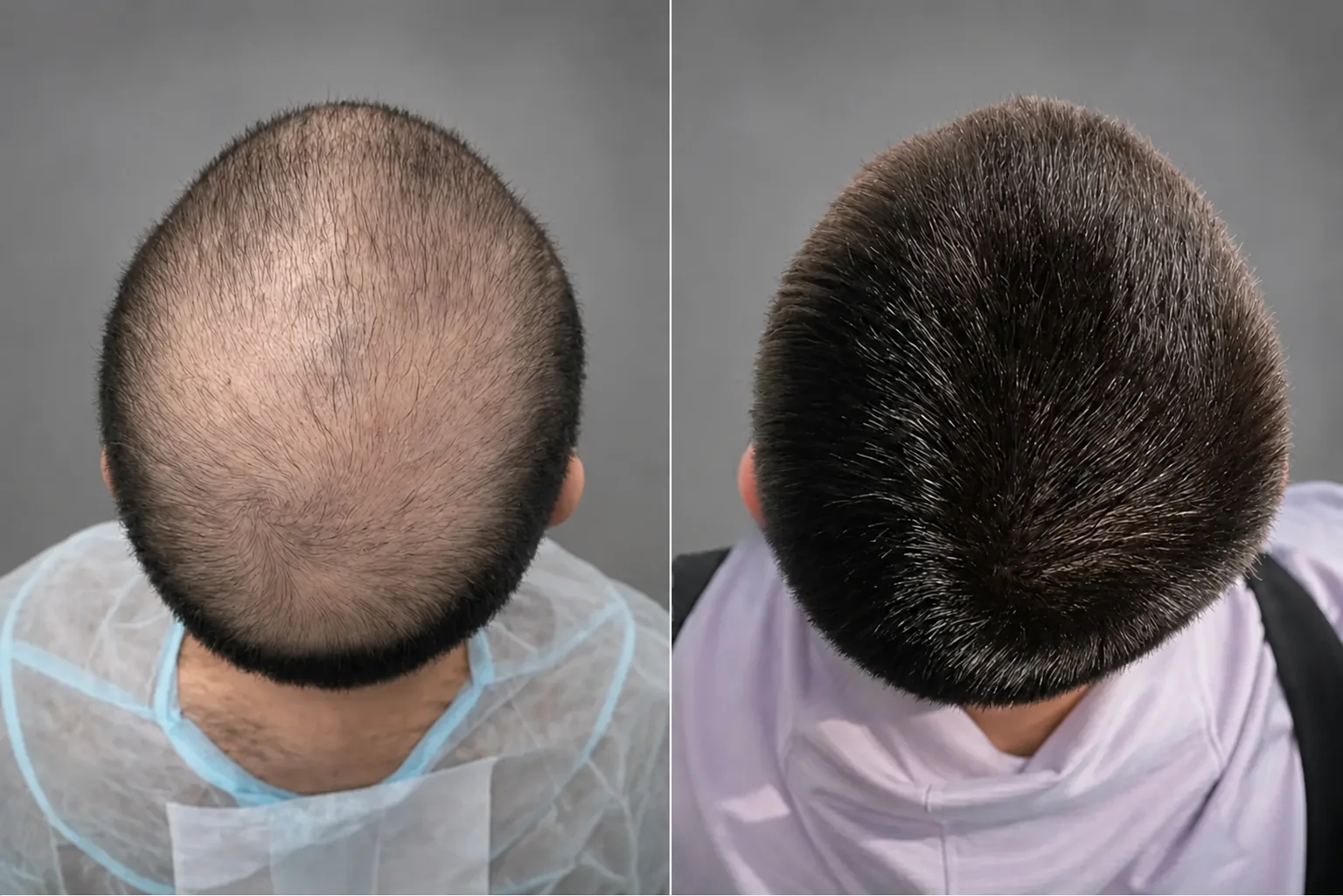
start
12 months on
3,900 grafts
FUE method
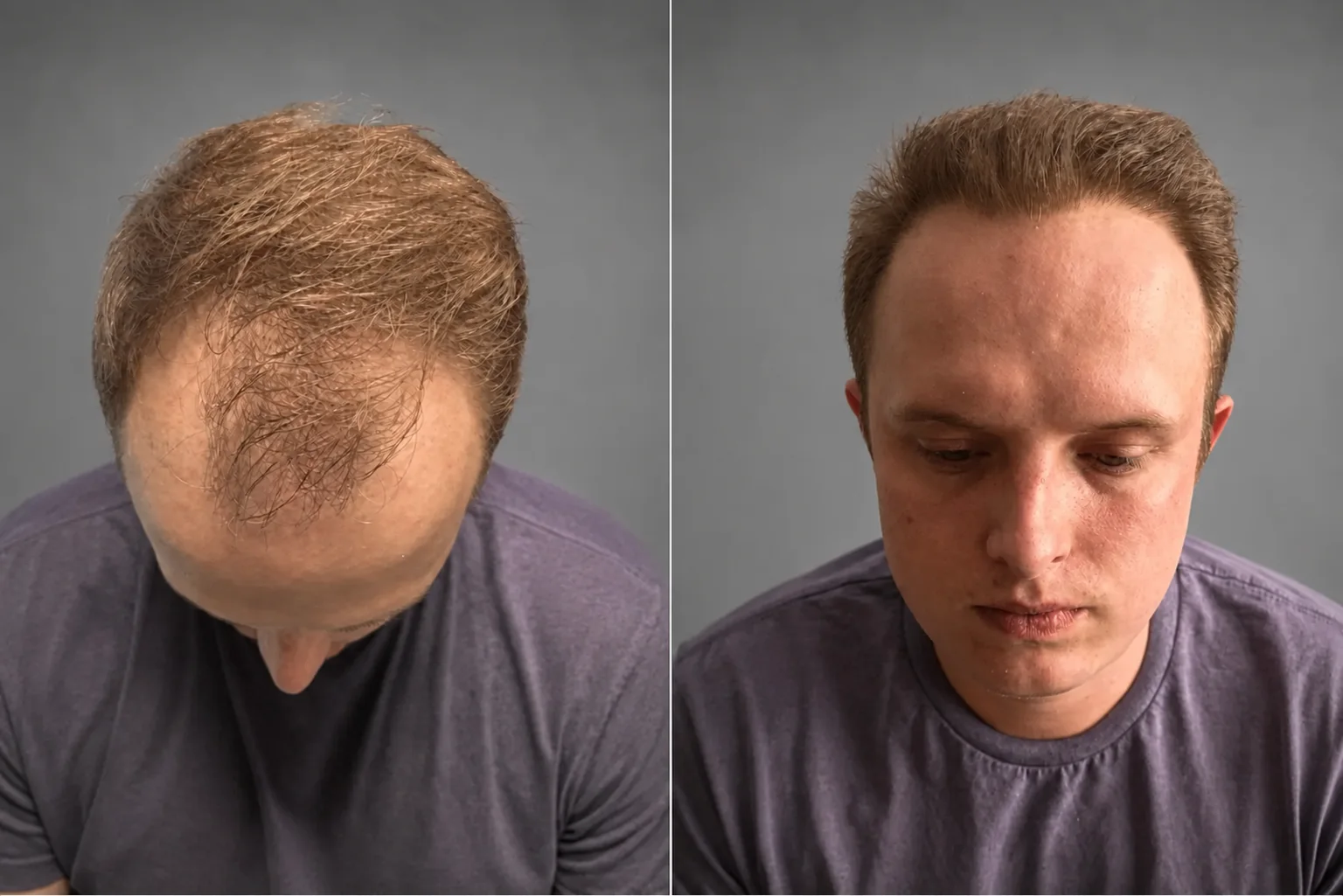
start
12 months on
3,500 grafts
FUE method
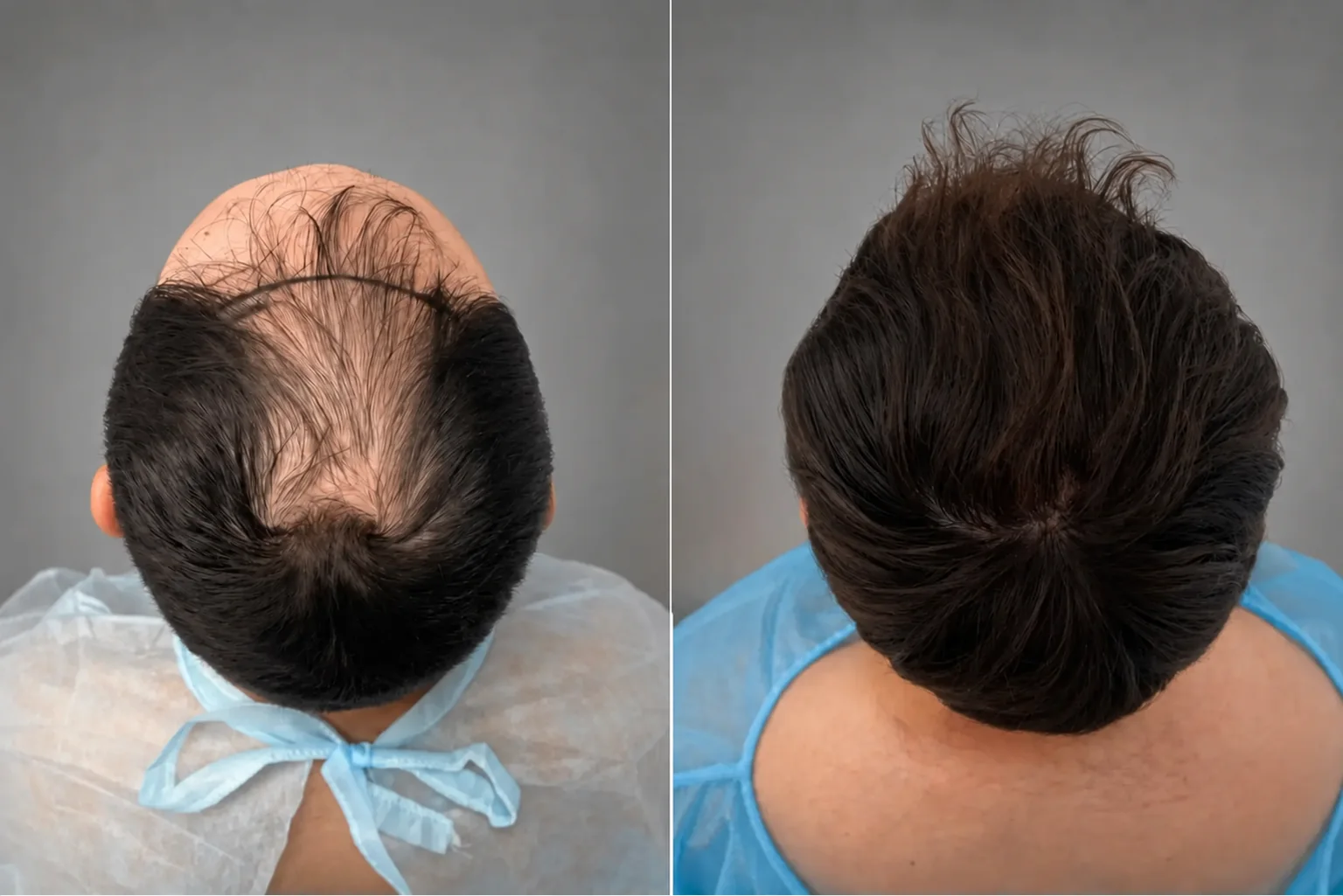
start
12 months on
3,800 grafts
FUE method
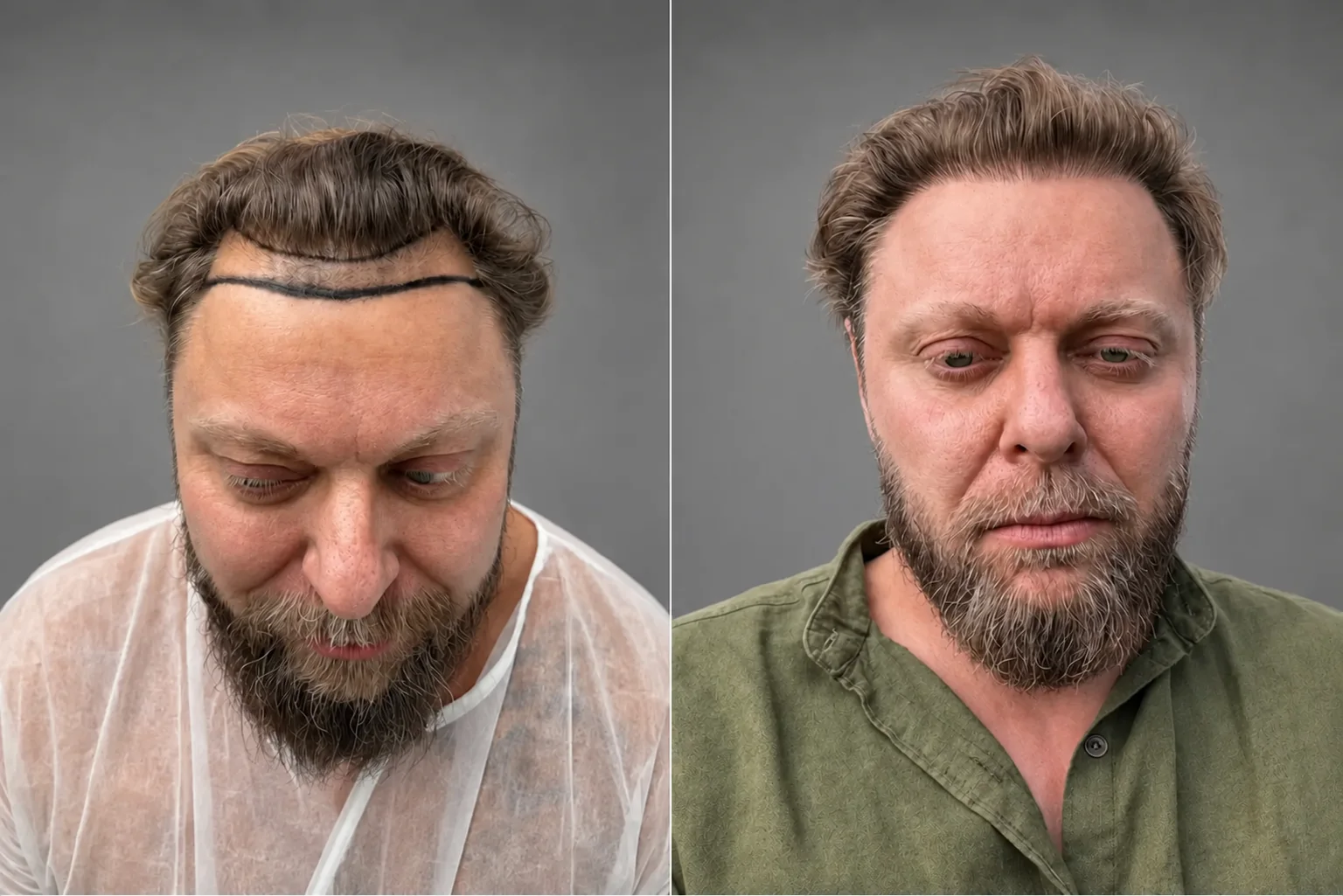
start
12 months on
2,900 grafts
FUE method
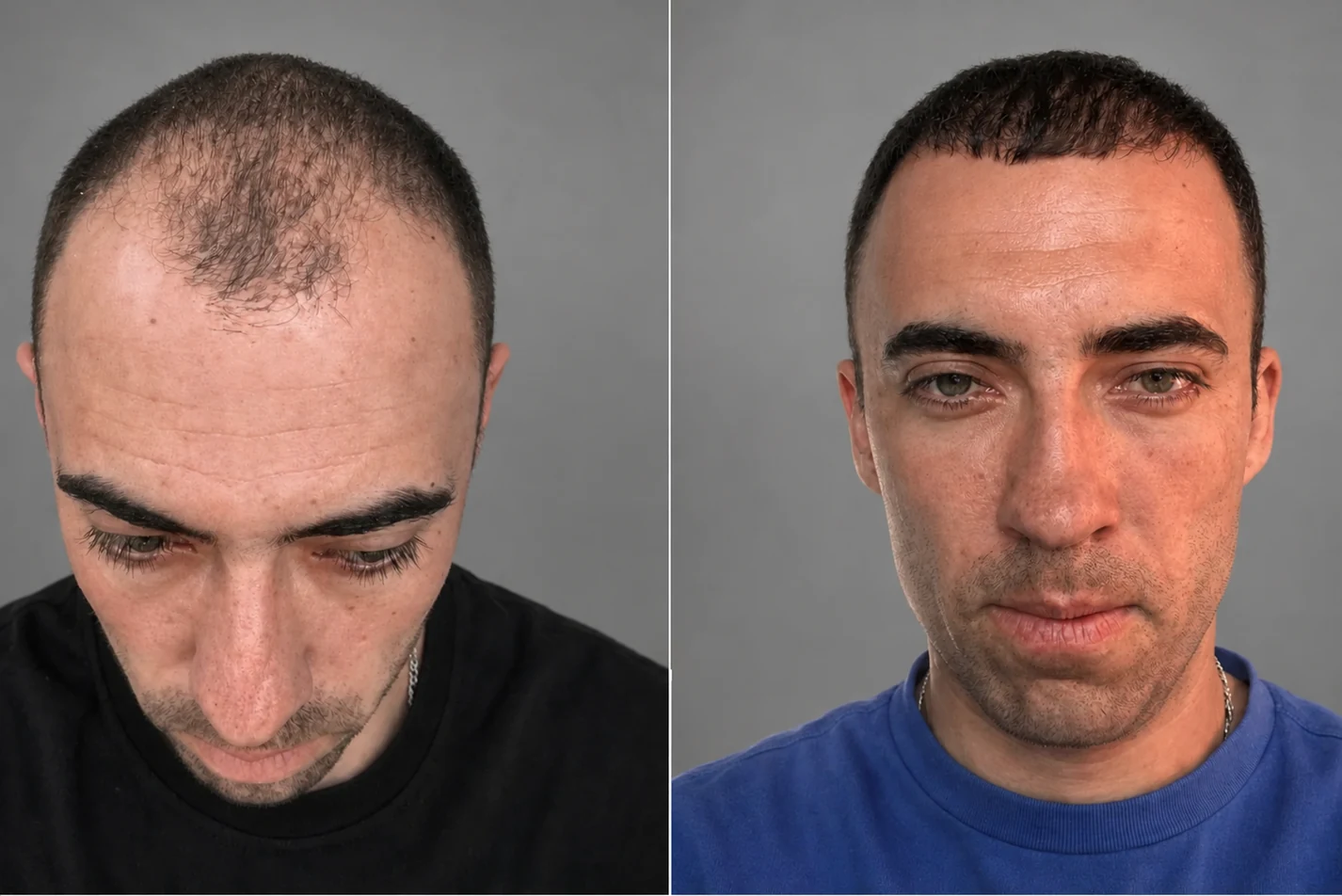
start
12 months on
3,600 grafts
FUE method
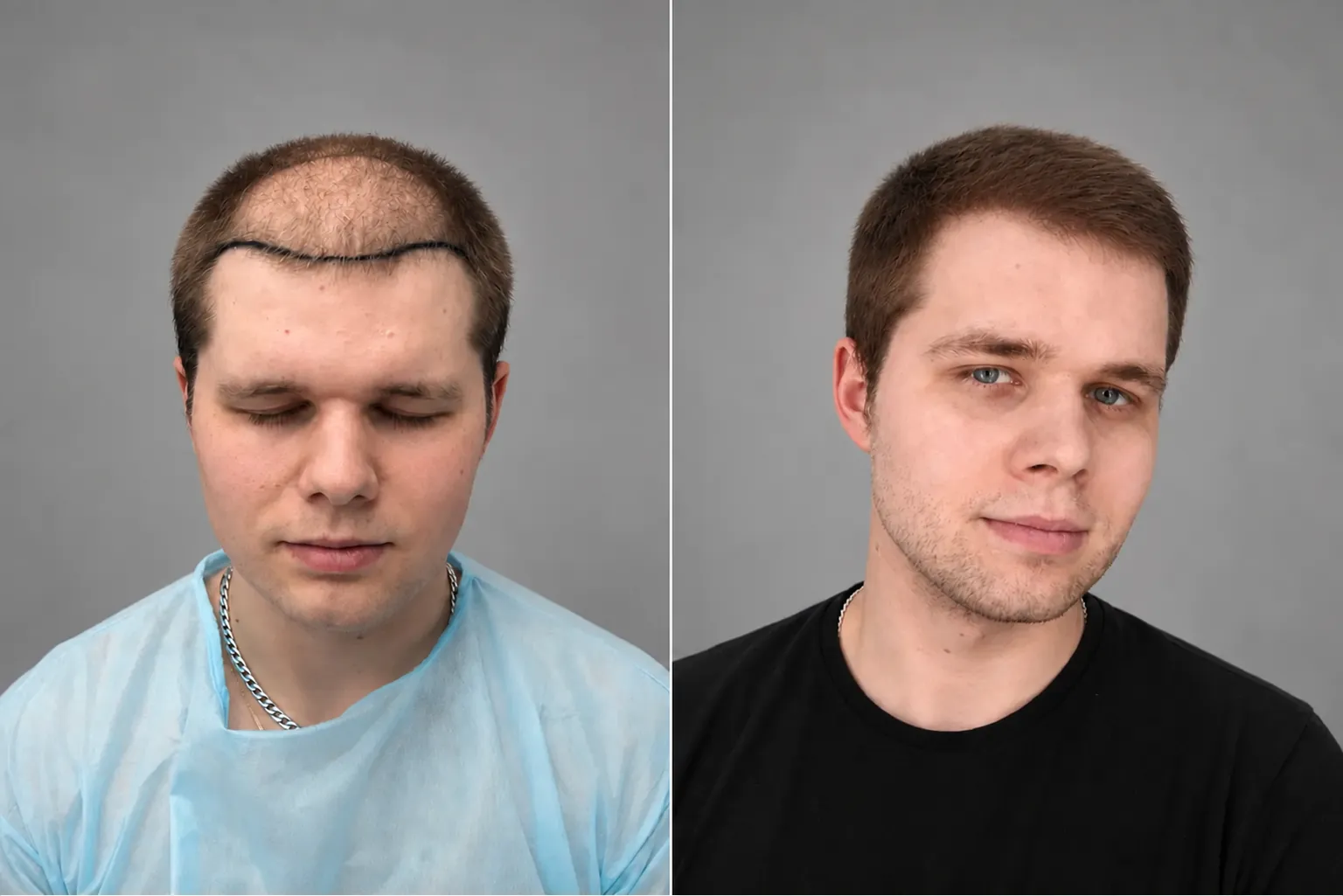
start
12 months on
2,600 grafts
FUE method
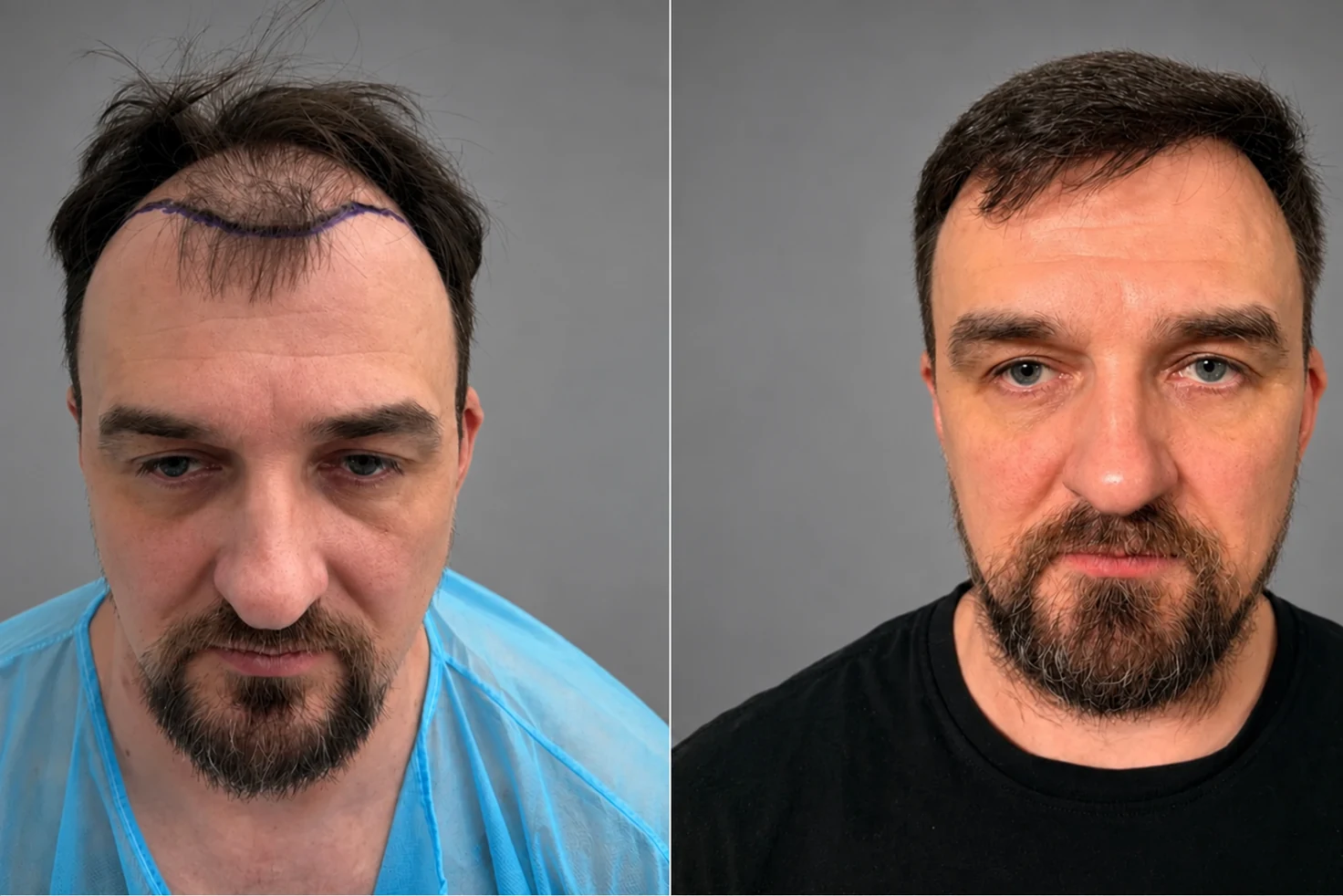
start
12 months on
2,700 grafts
FUE method
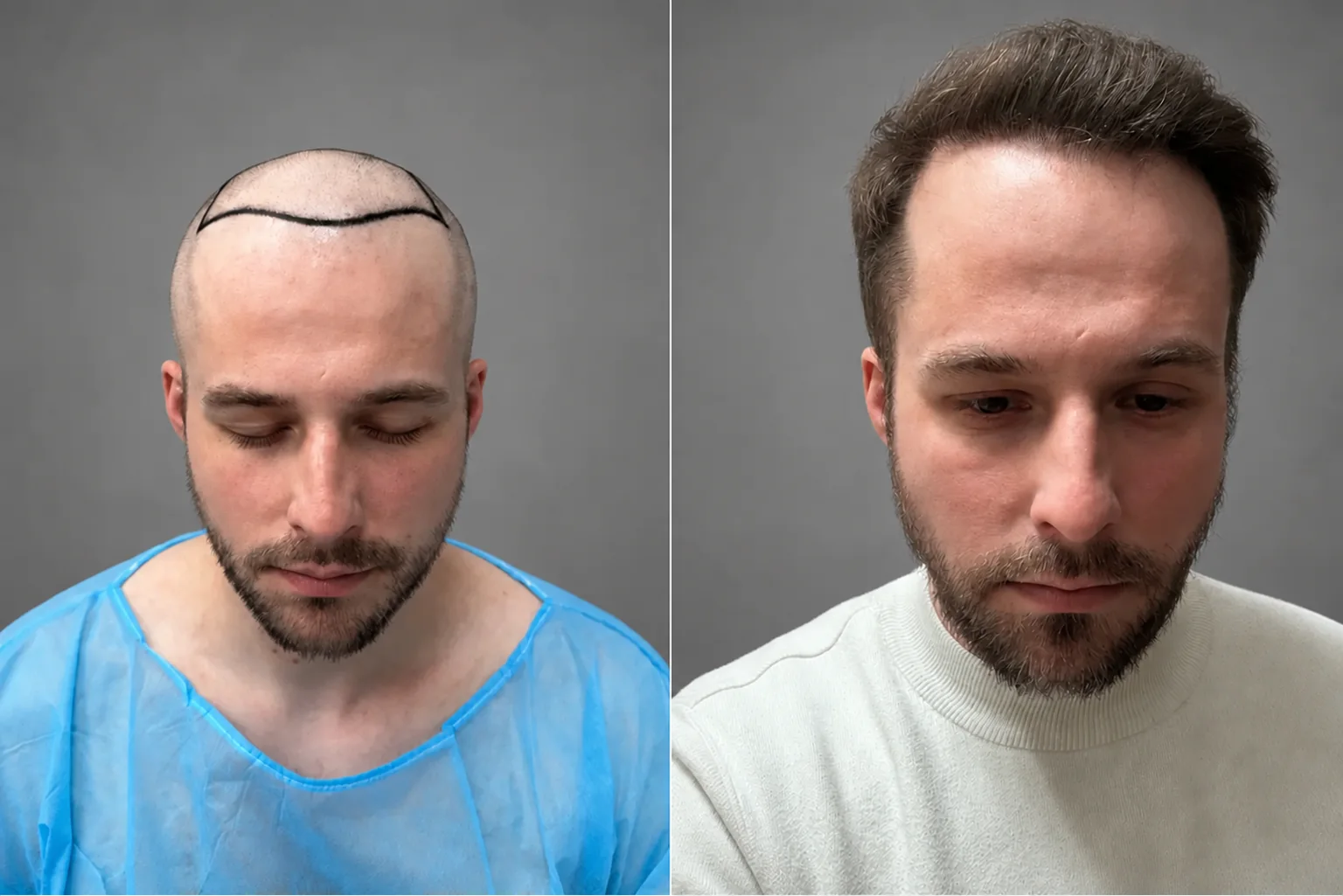
start
12 months on
3,700 grafts
FUE method
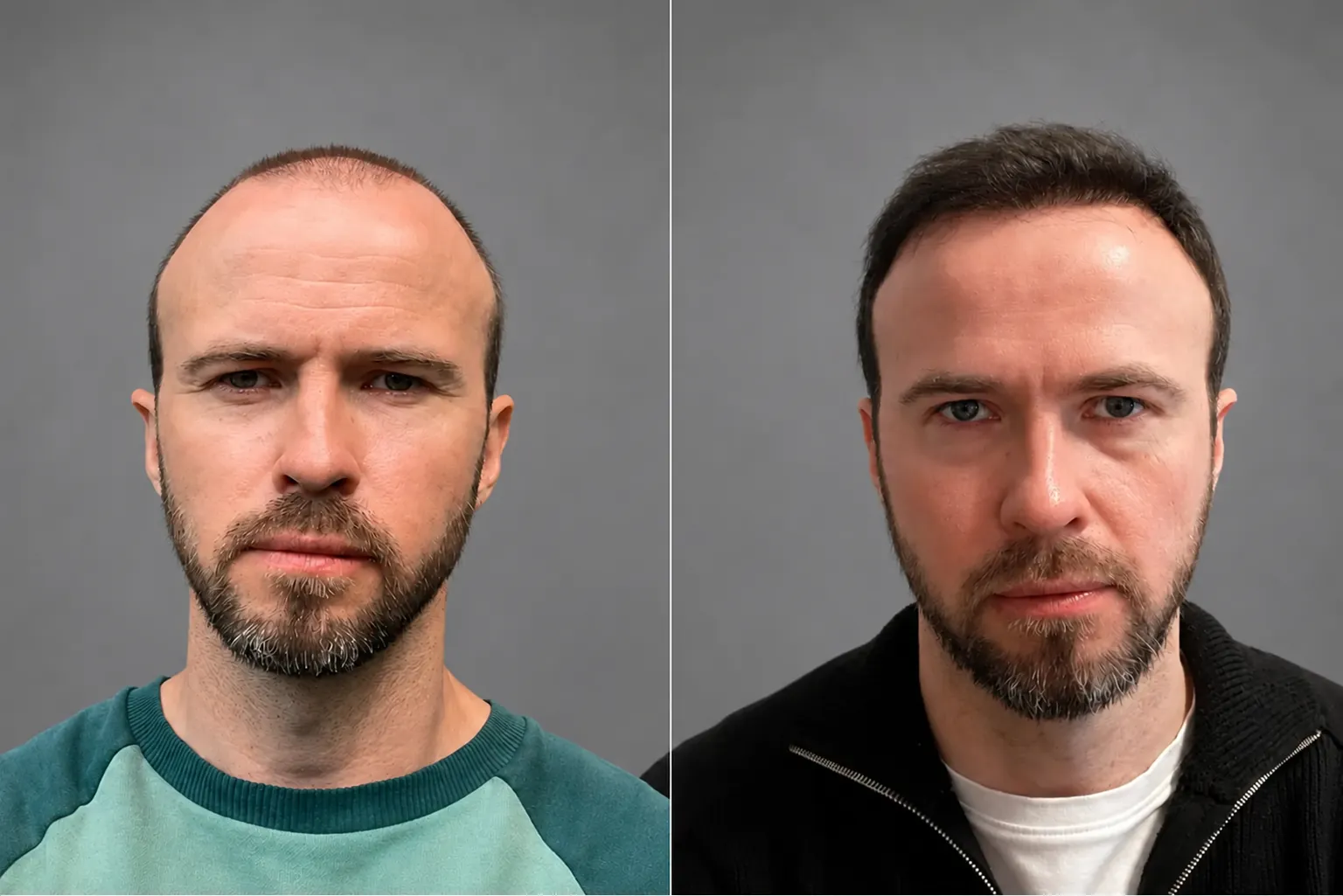
start
12 months on
3,200 grafts
FUE method
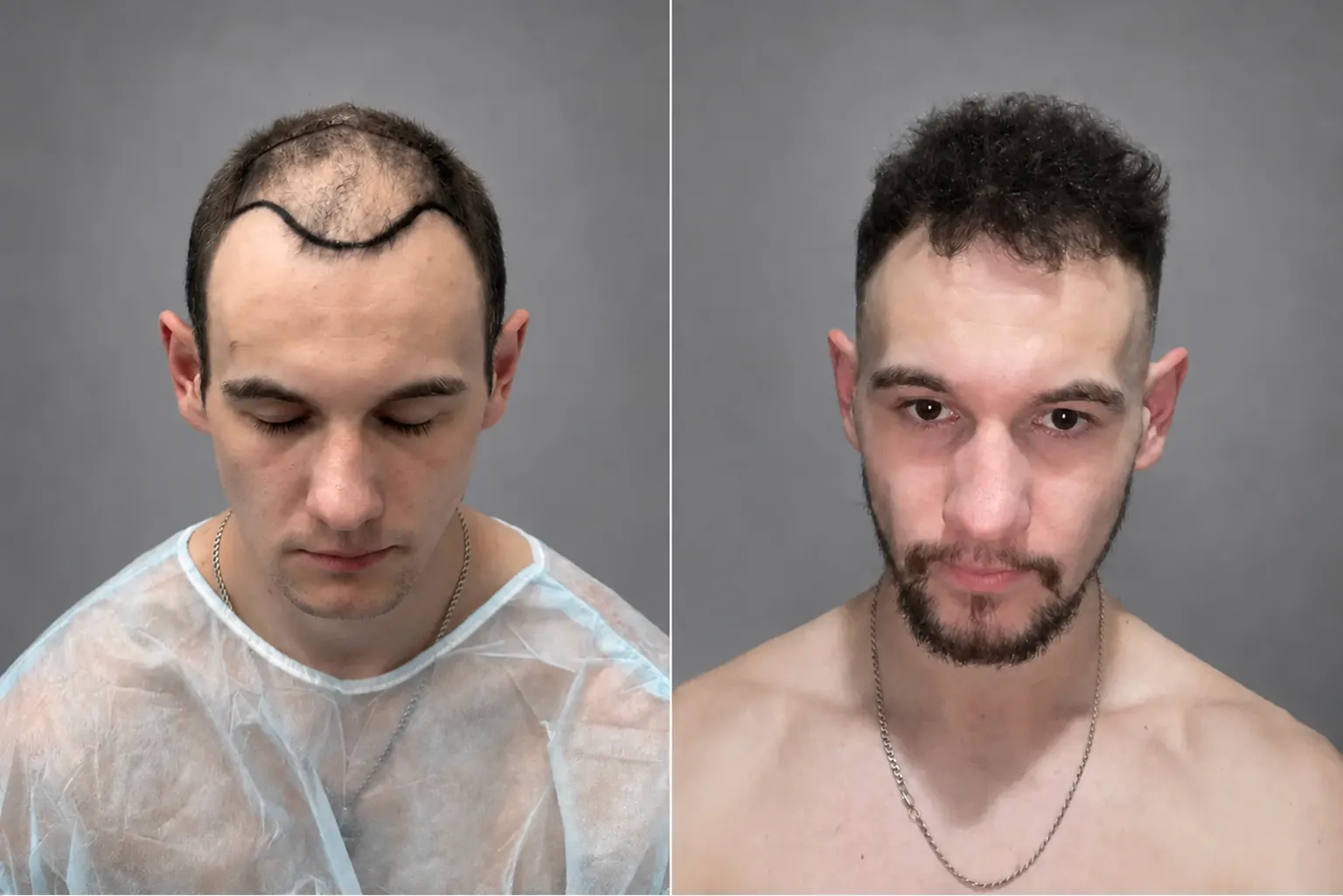
start
12 months on
3,000 grafts
FUE method
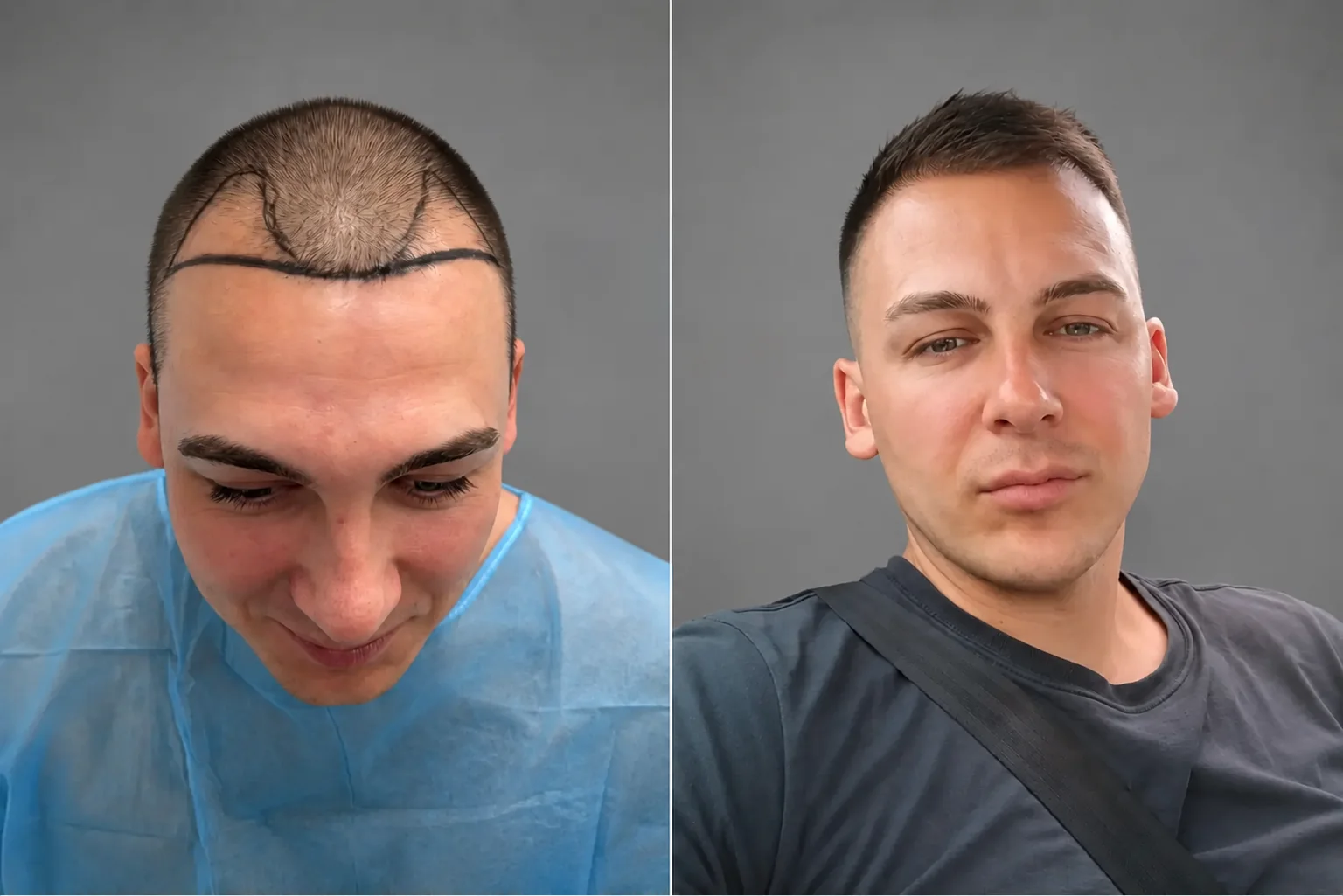
start
12 months on
2,800 grafts
FUE method
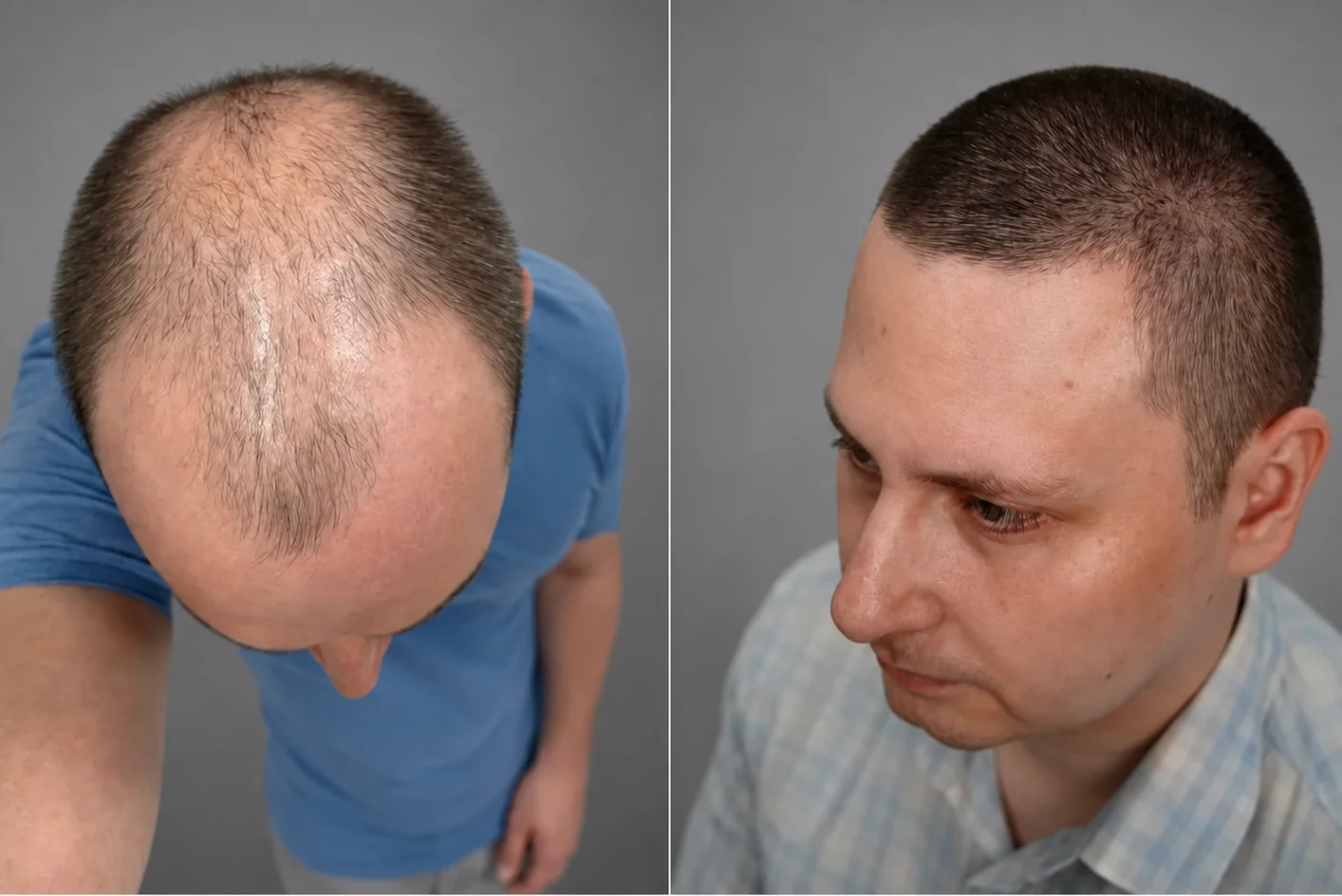
start
12 months on
4,000 grafts
FUE method
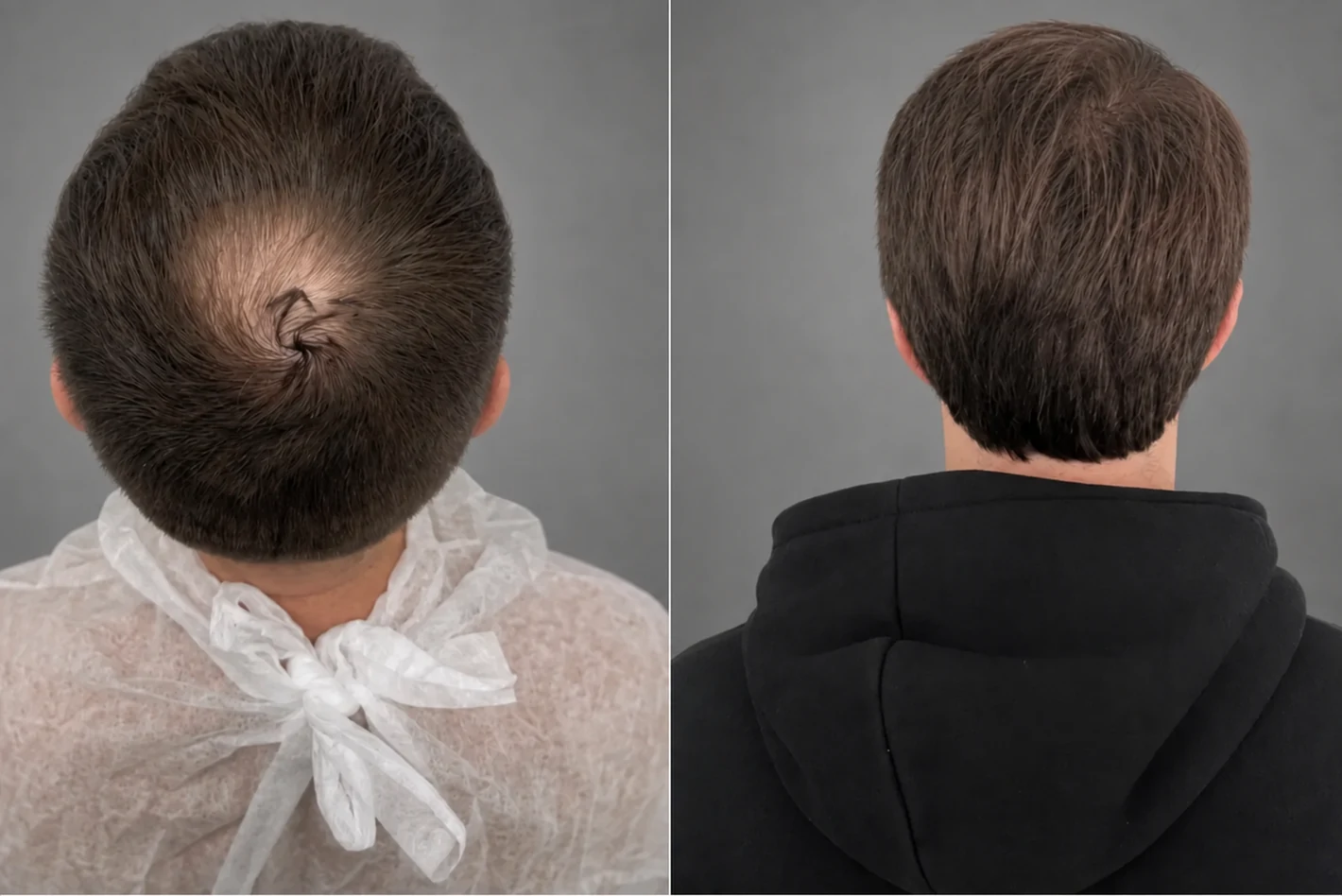
start
12 months on
3,400 grafts
FUE method
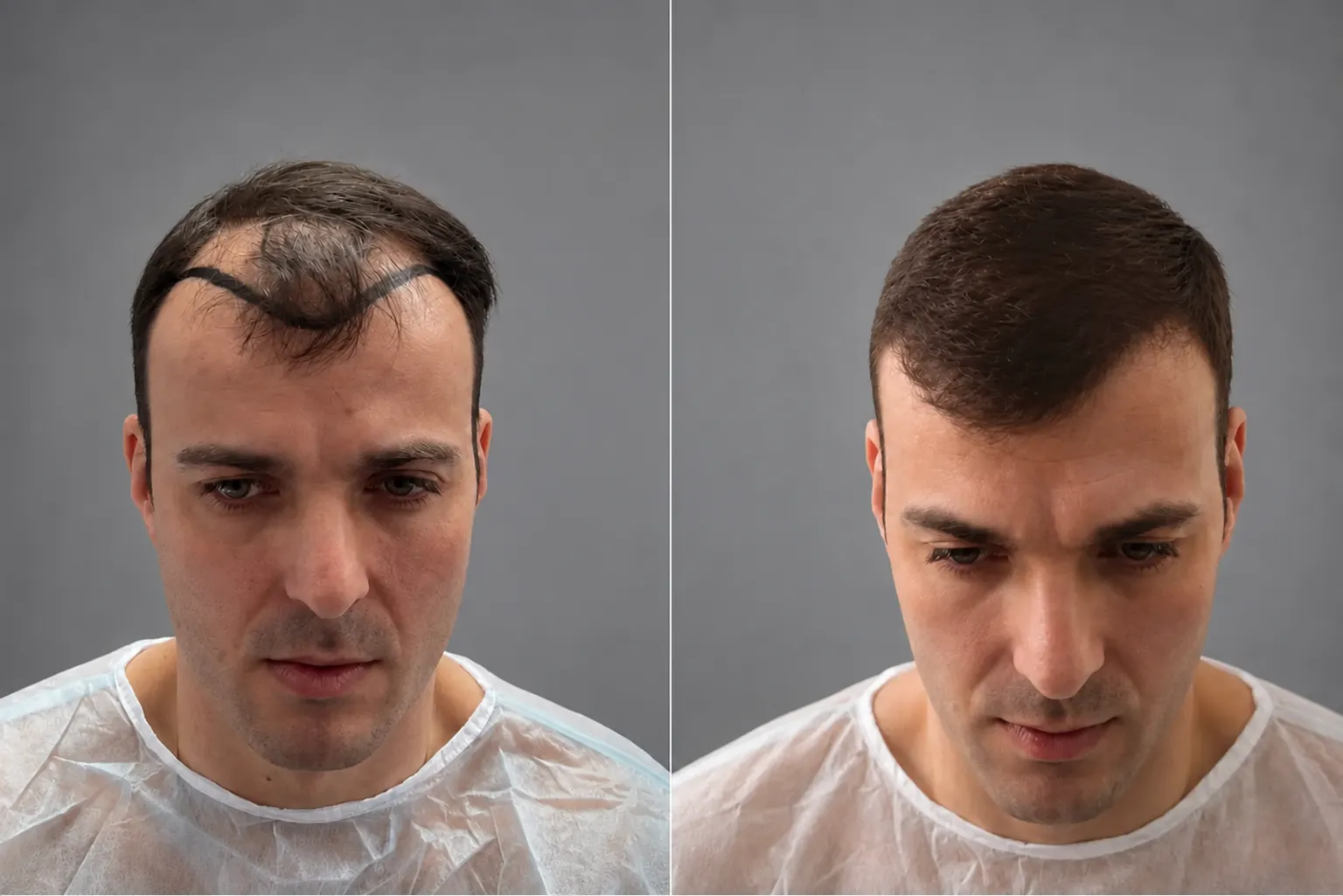
start
12 months on
2,900 grafts
FUE method
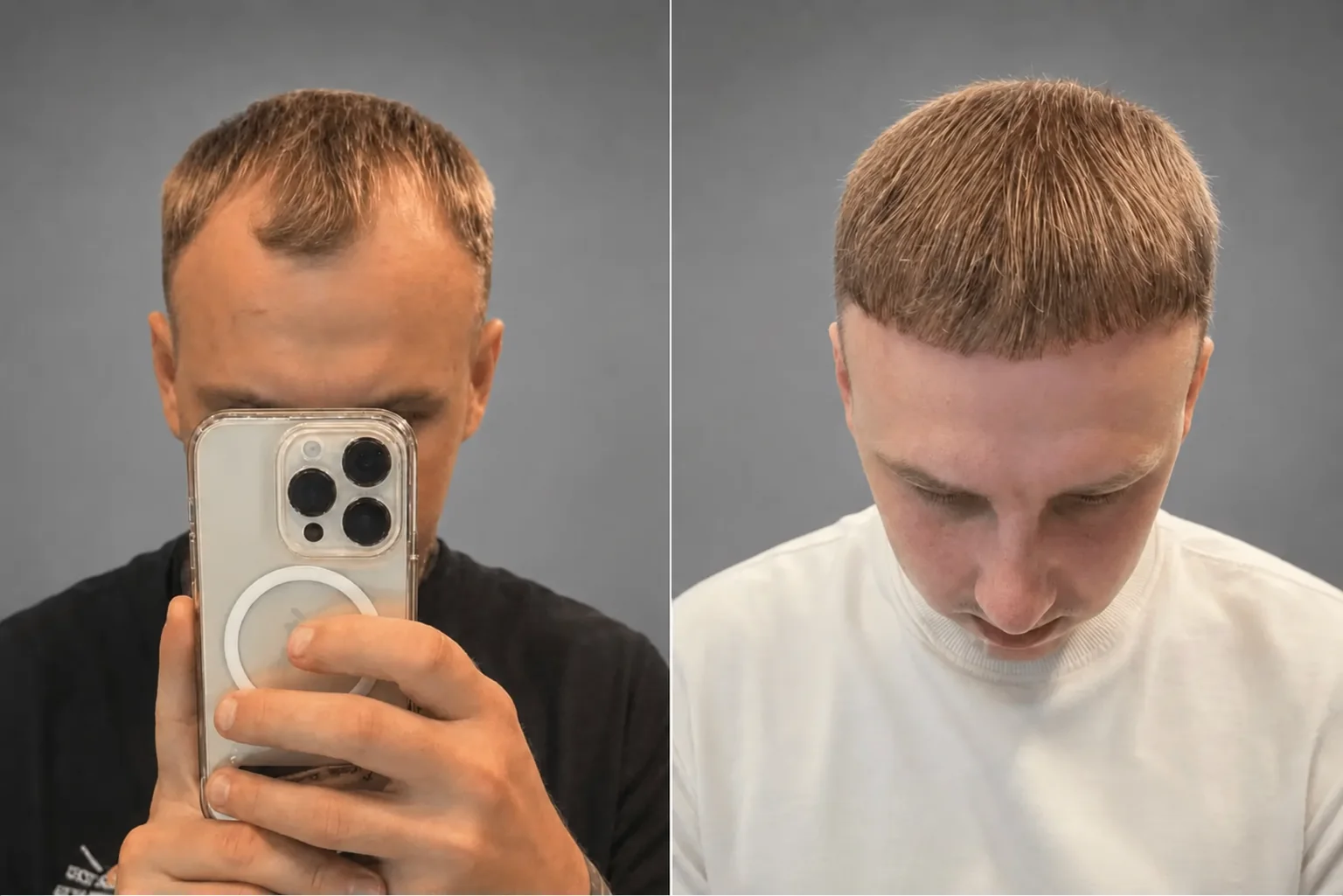
start
12 months on
3,100 grafts
FUE method
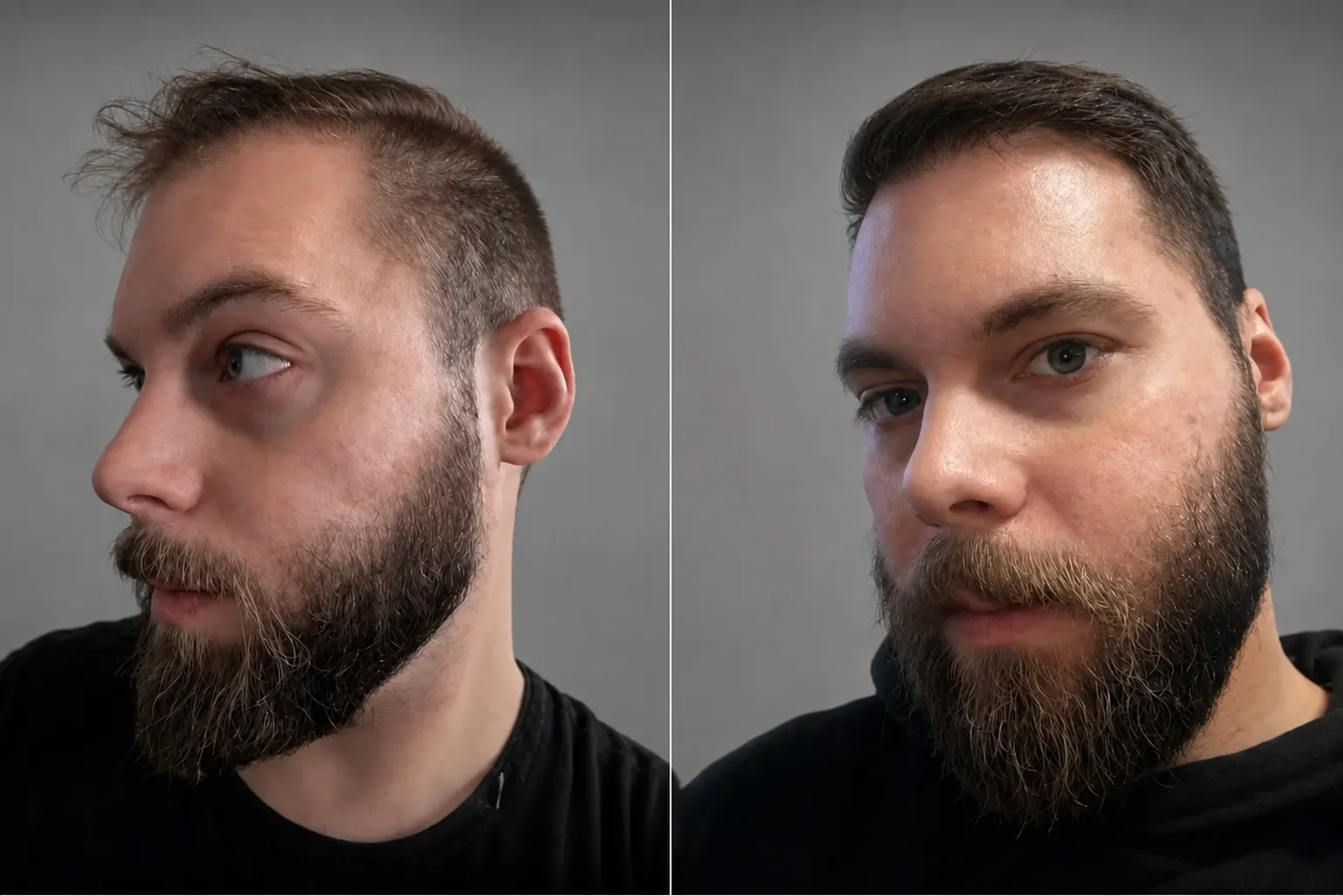
start
12 months on
2,600 grafts
FUE method
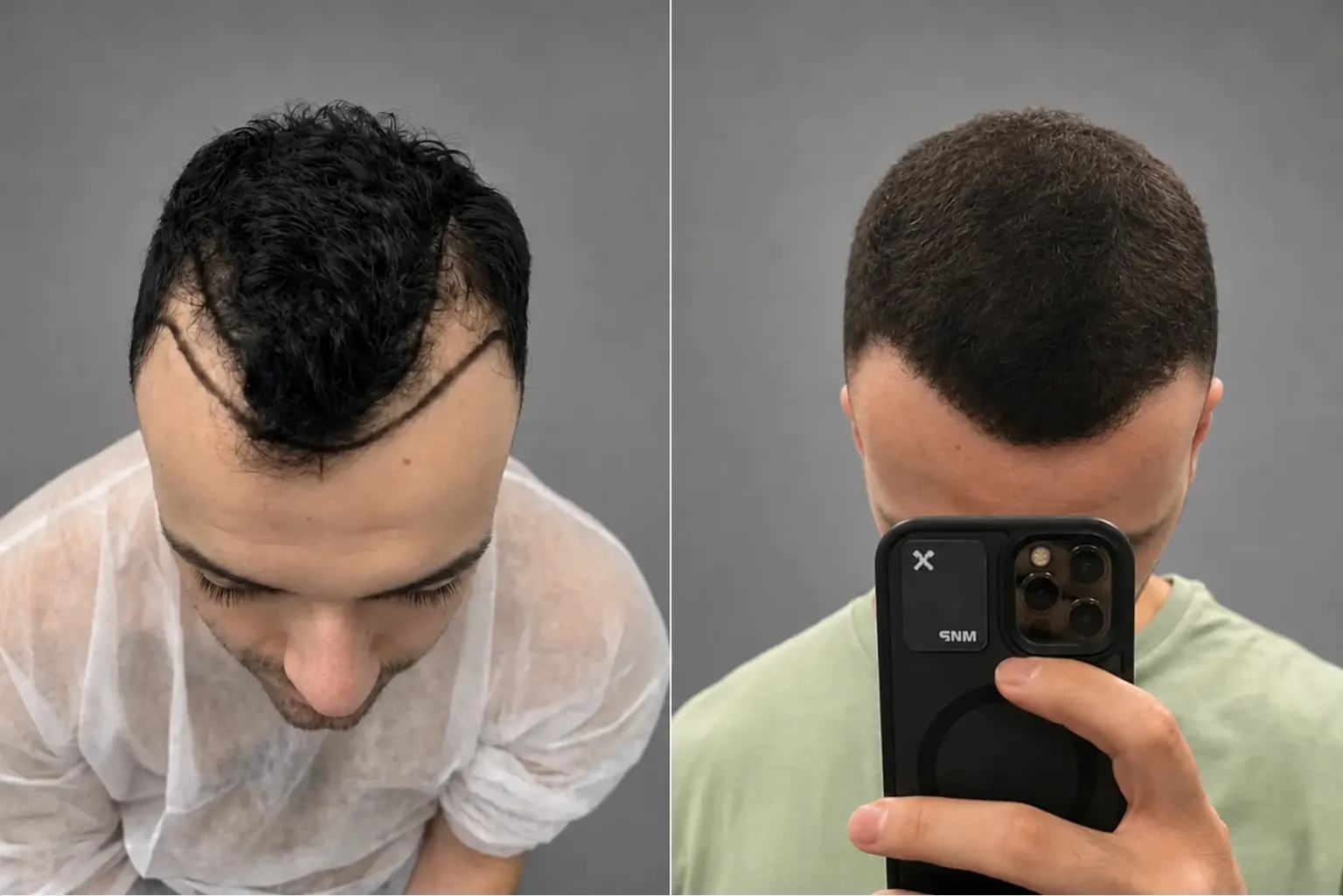
start
12 months on
3,300 grafts
FUE method
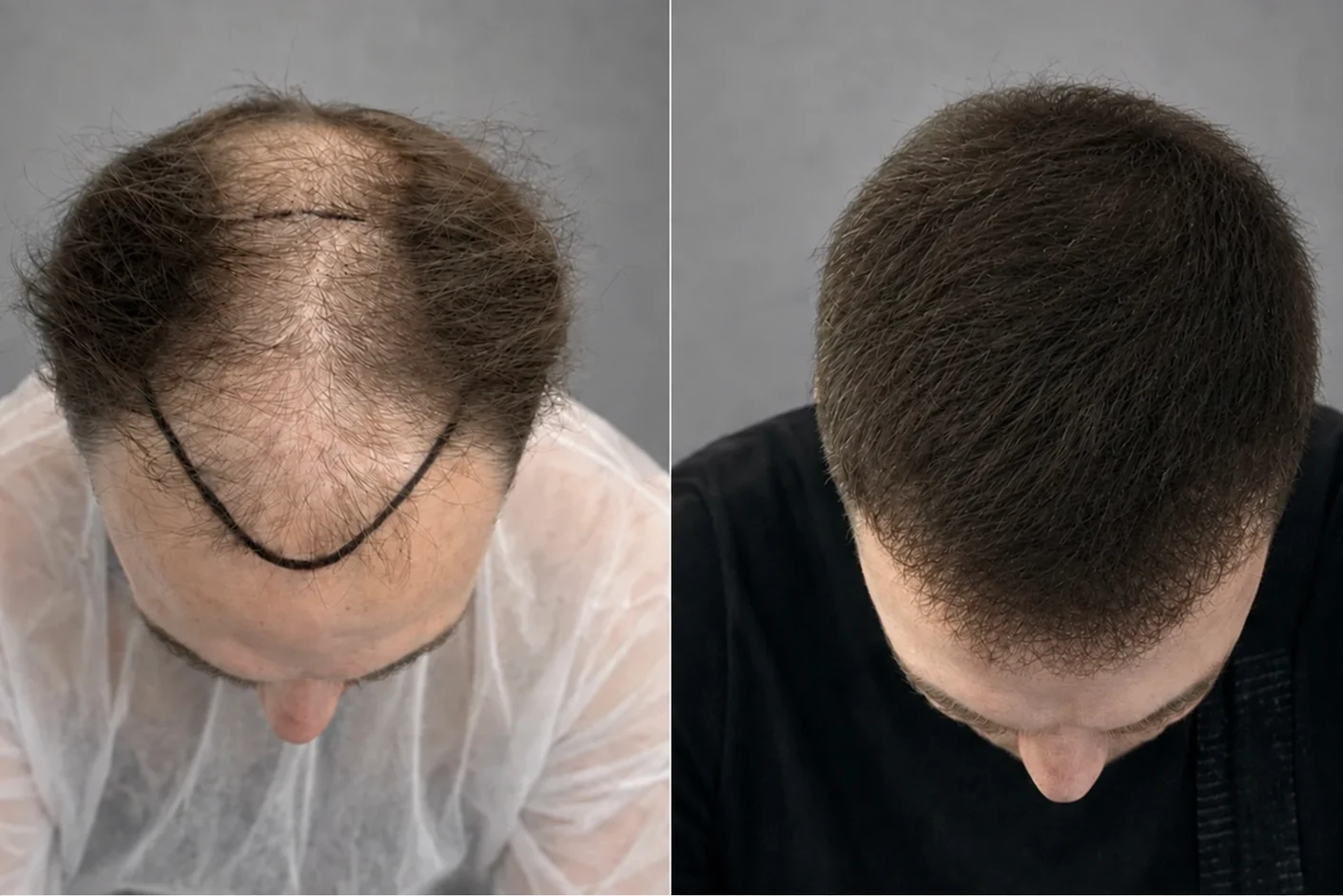
start
12 months on
3,900 grafts
FUE method
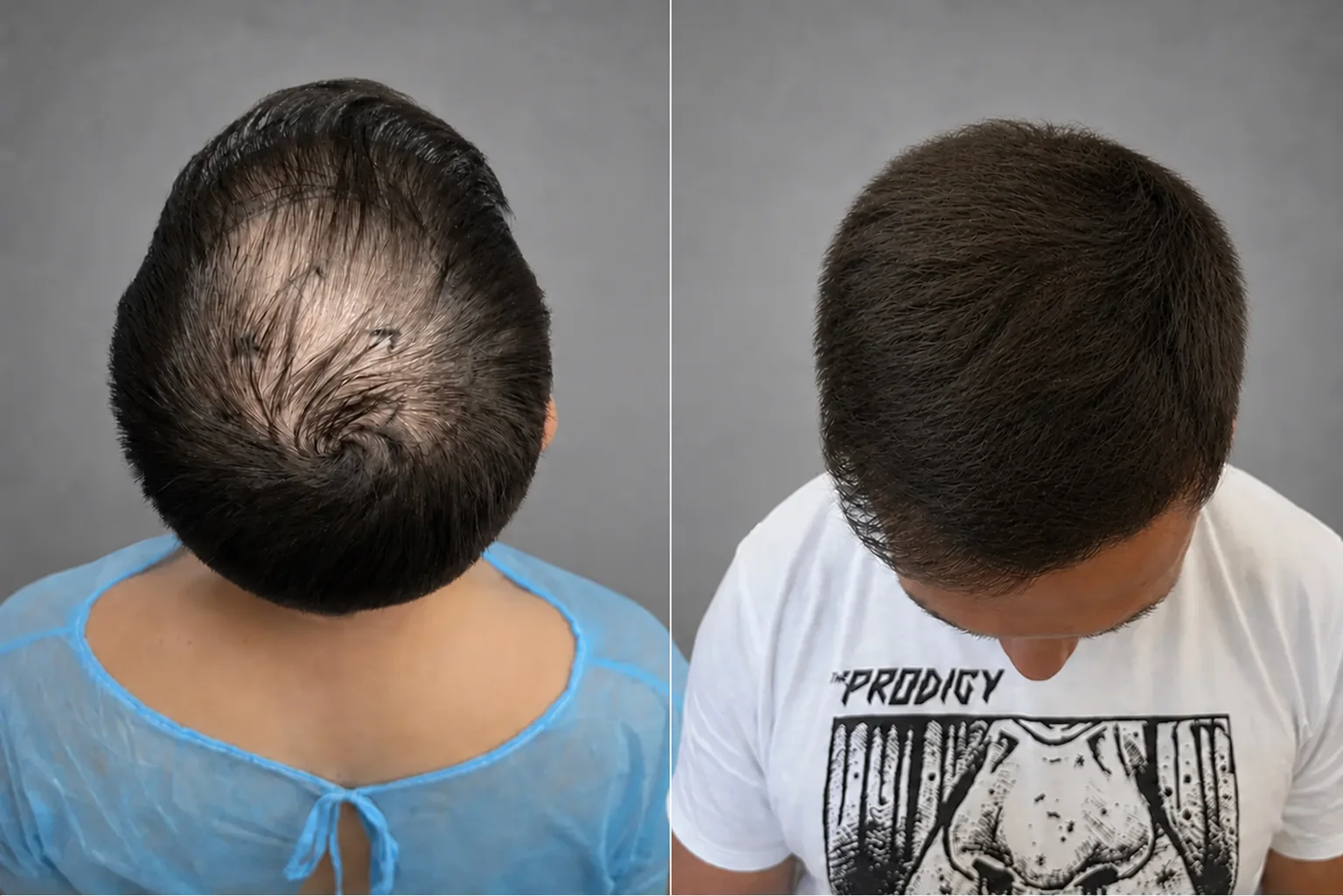
start
12 months on
3,500 grafts
FUE method
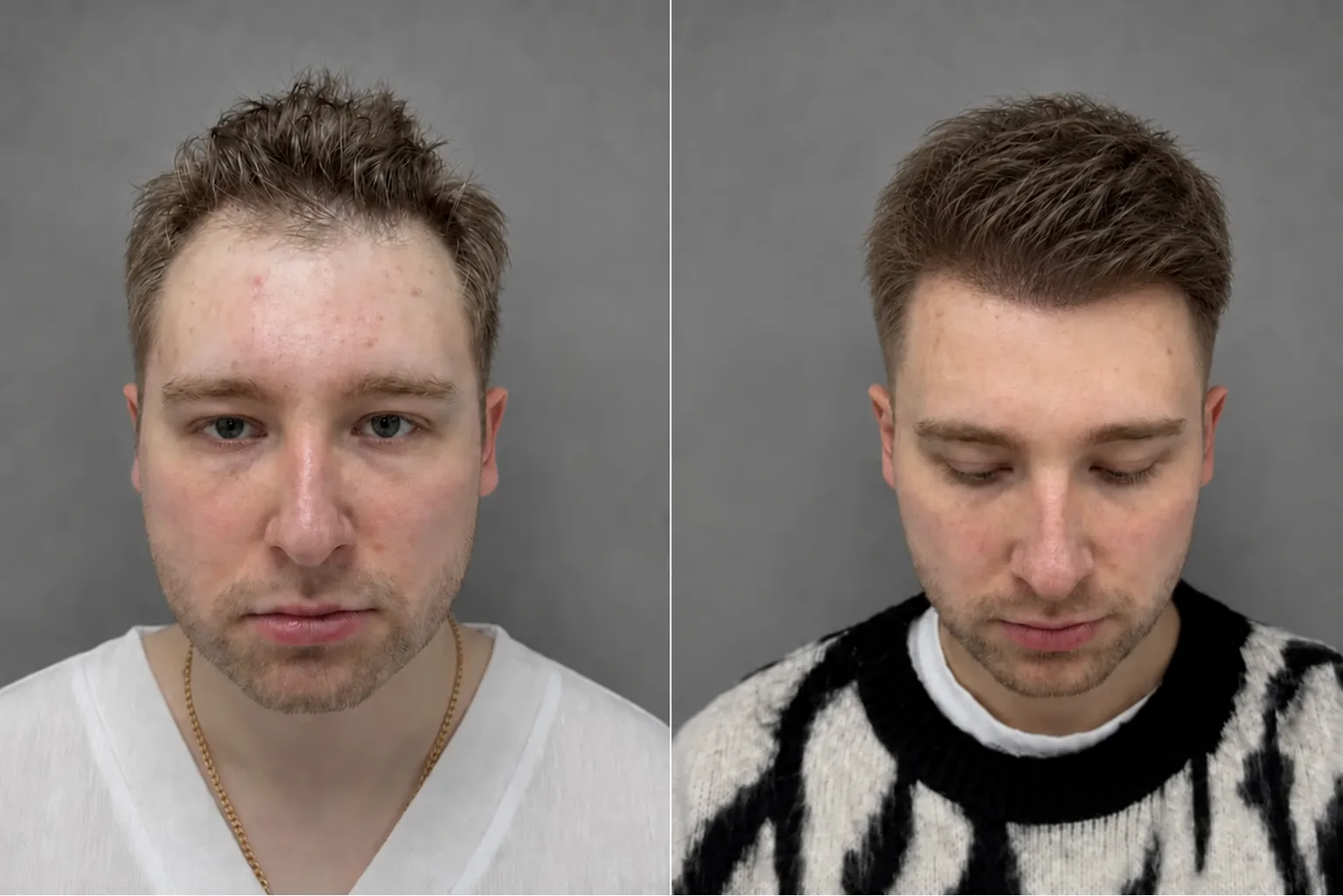
start
12 months on
2,700 grafts
FUE method
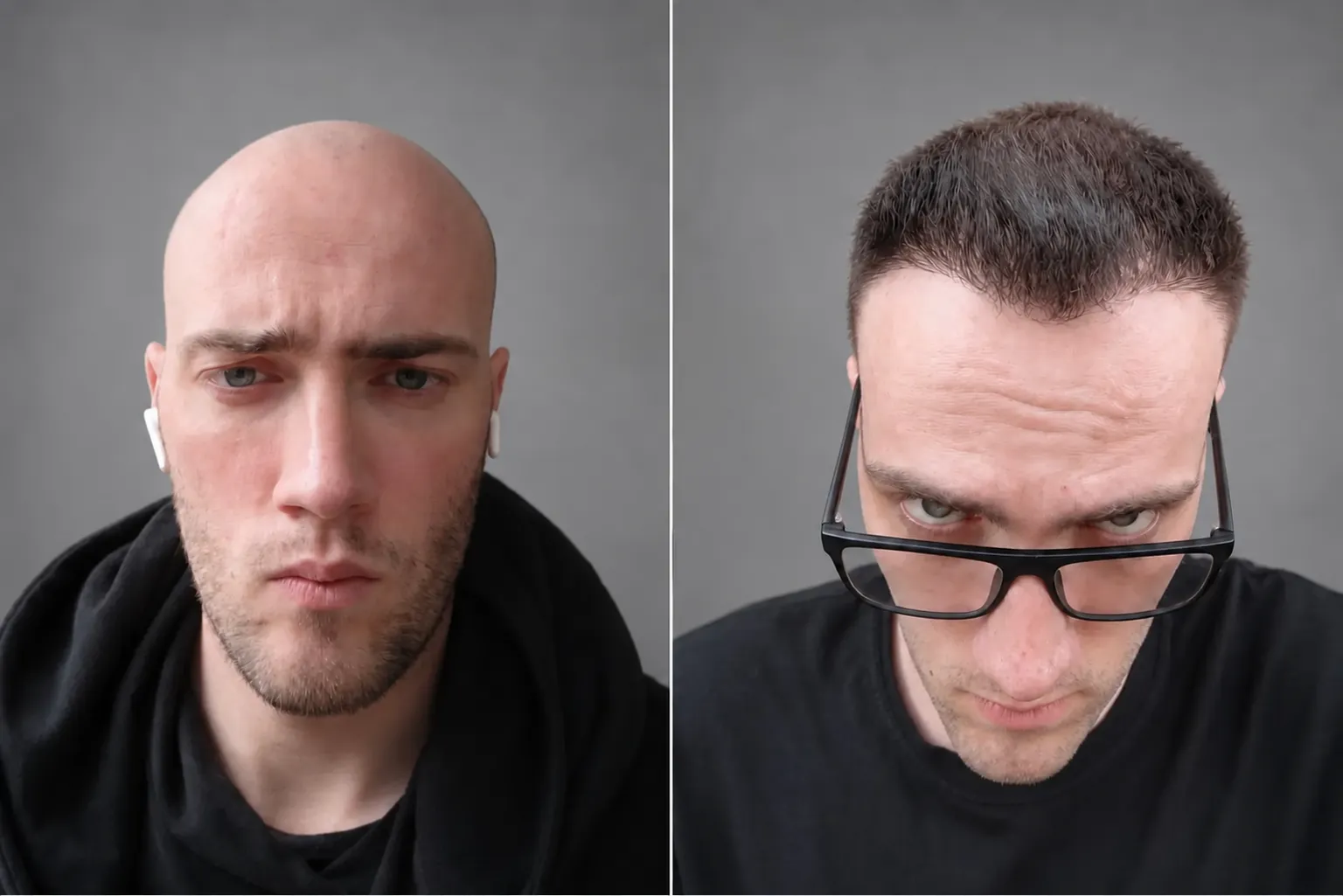
start
12 months on
3,800 grafts
FUE method
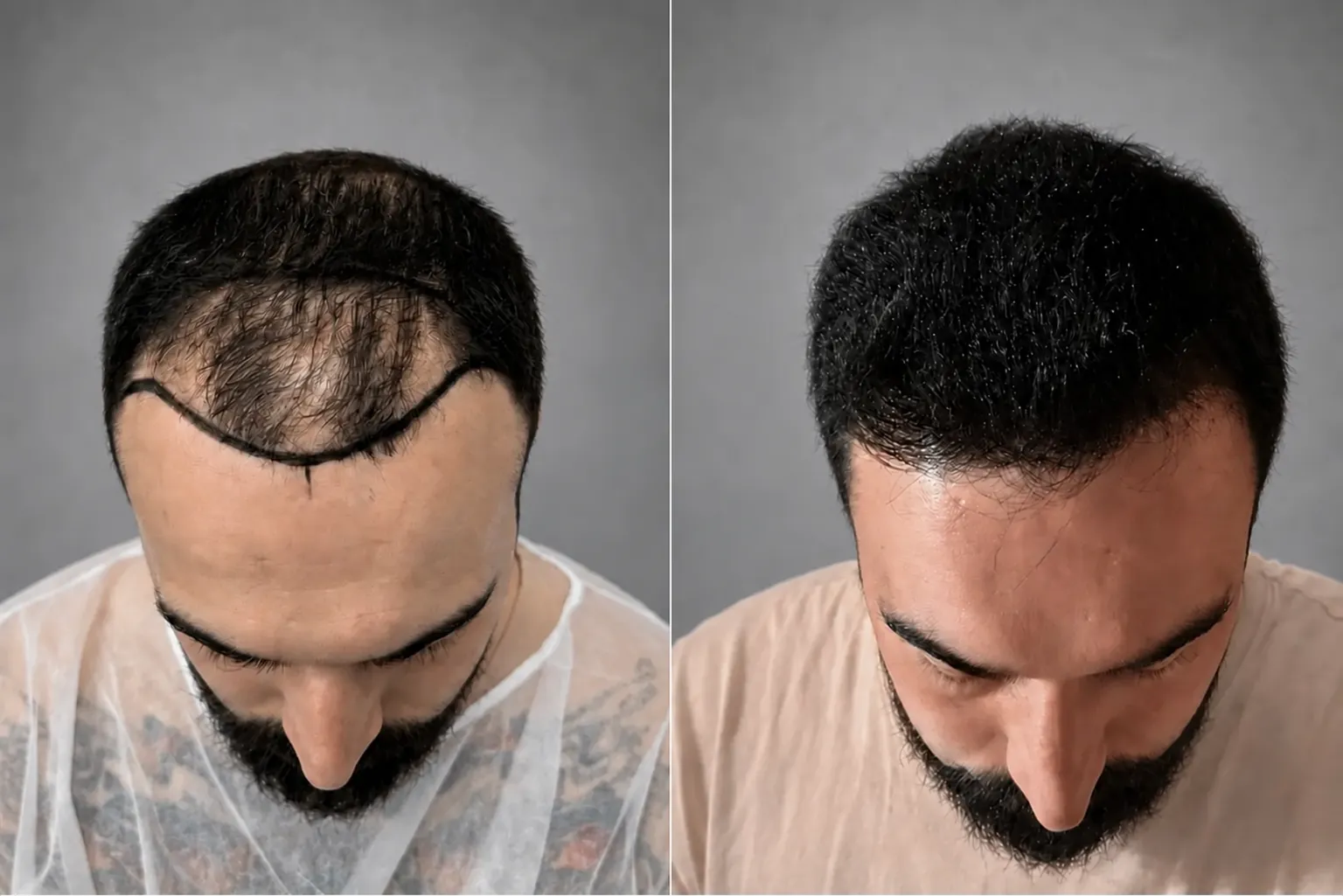
start
12 months on
3,200 grafts
FUE method
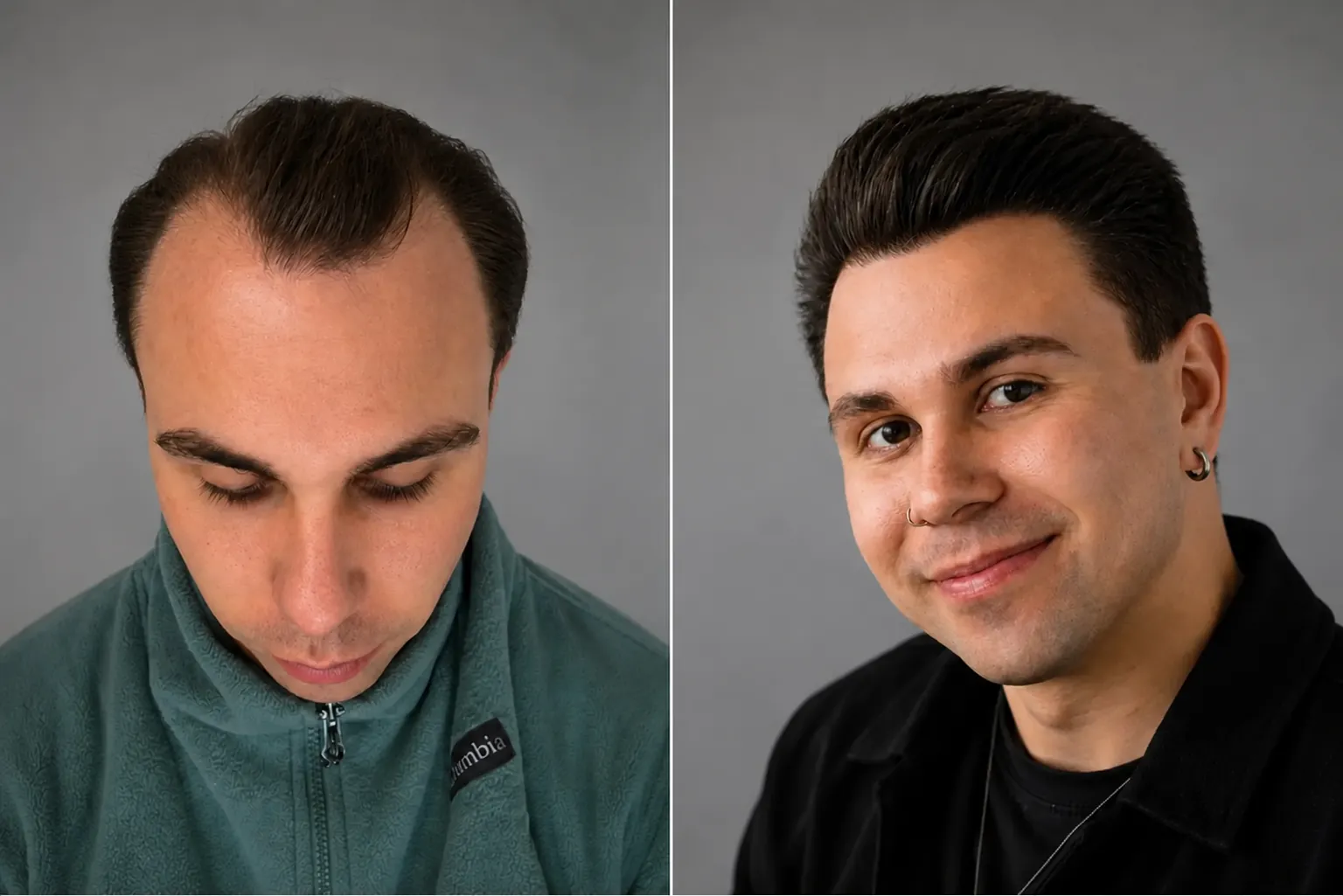
start
12 months on
3,000 grafts
FUE method
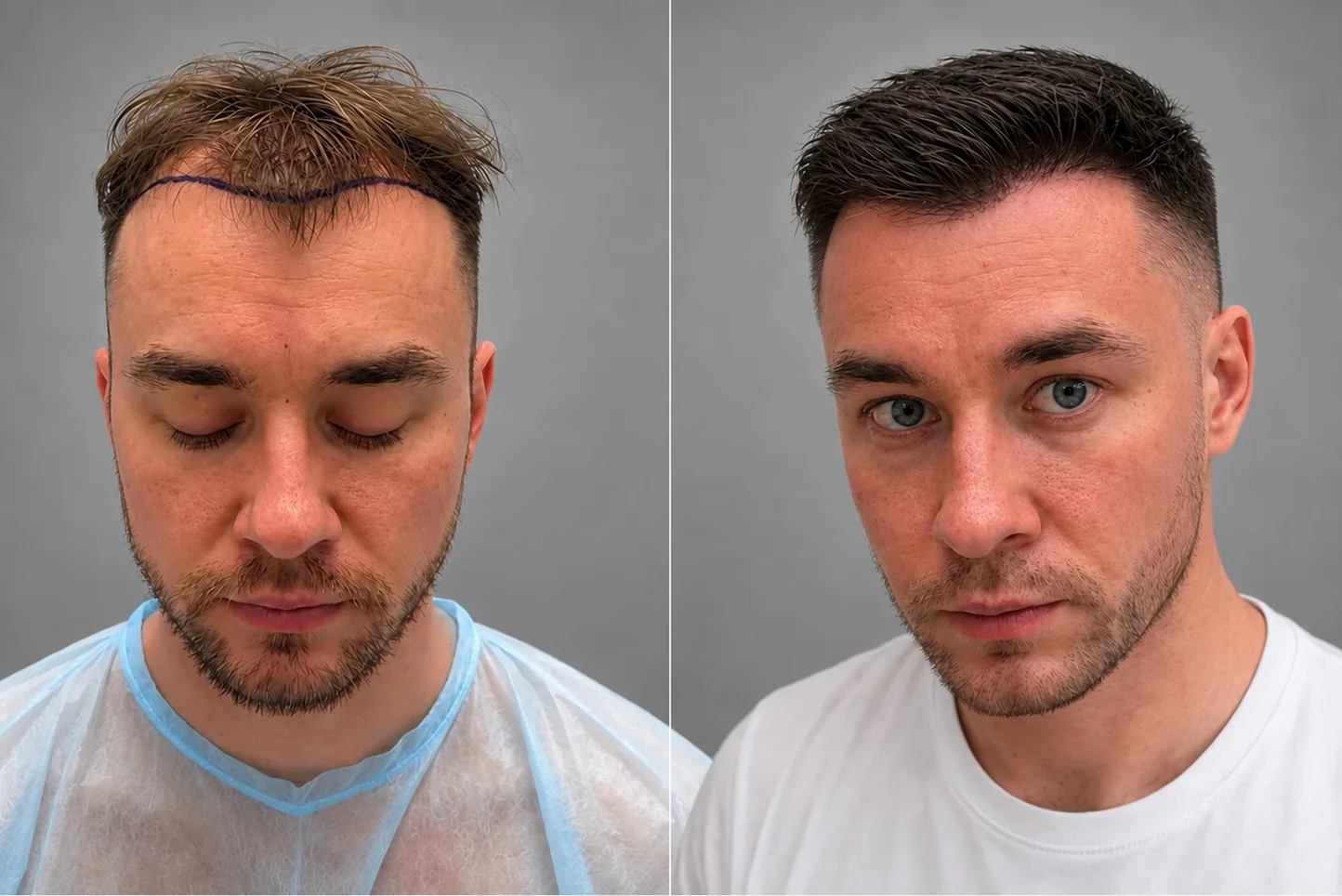
start
12 months on
2,800 grafts
FUE method
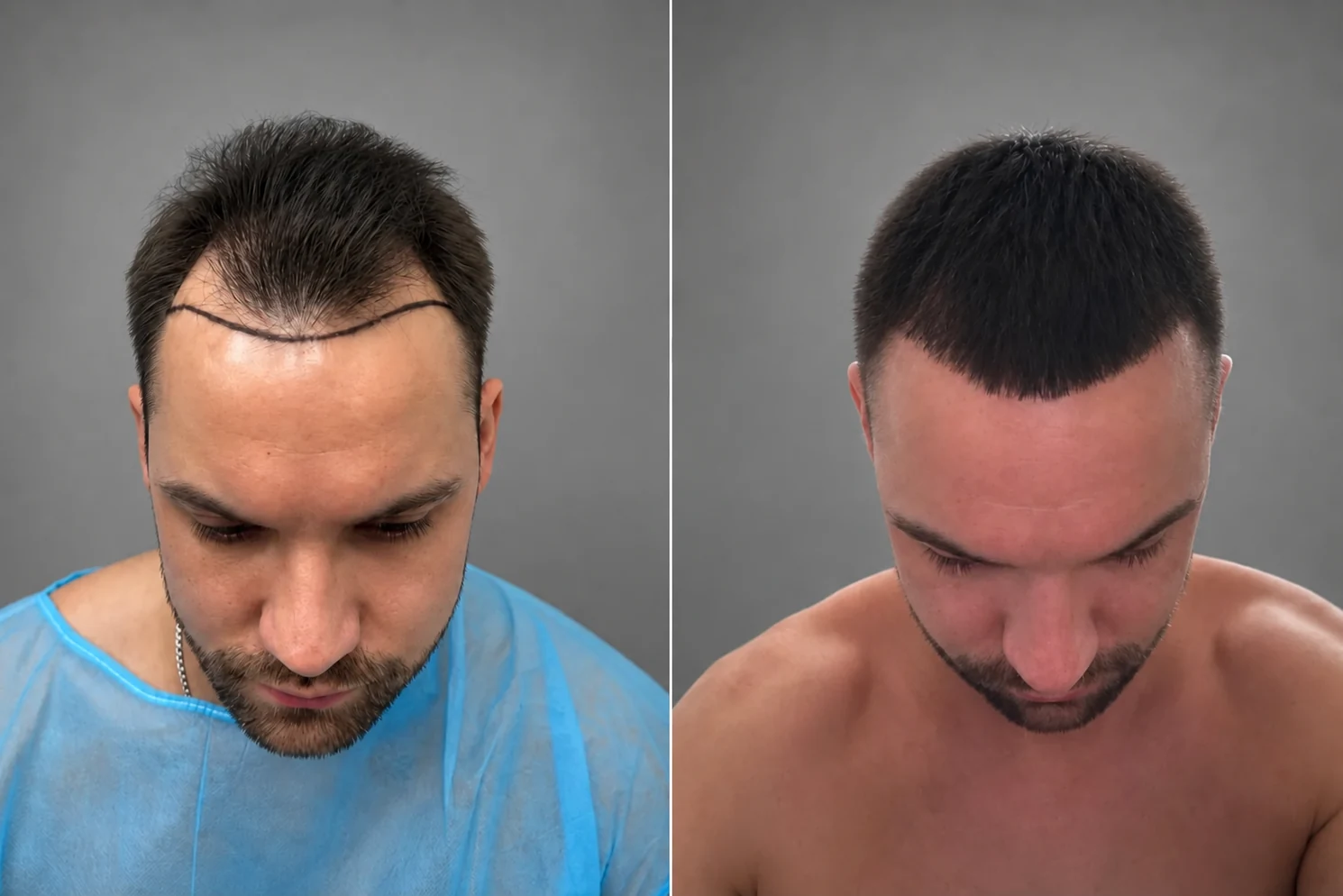
start
12 months on
3,100 grafts
FUE method
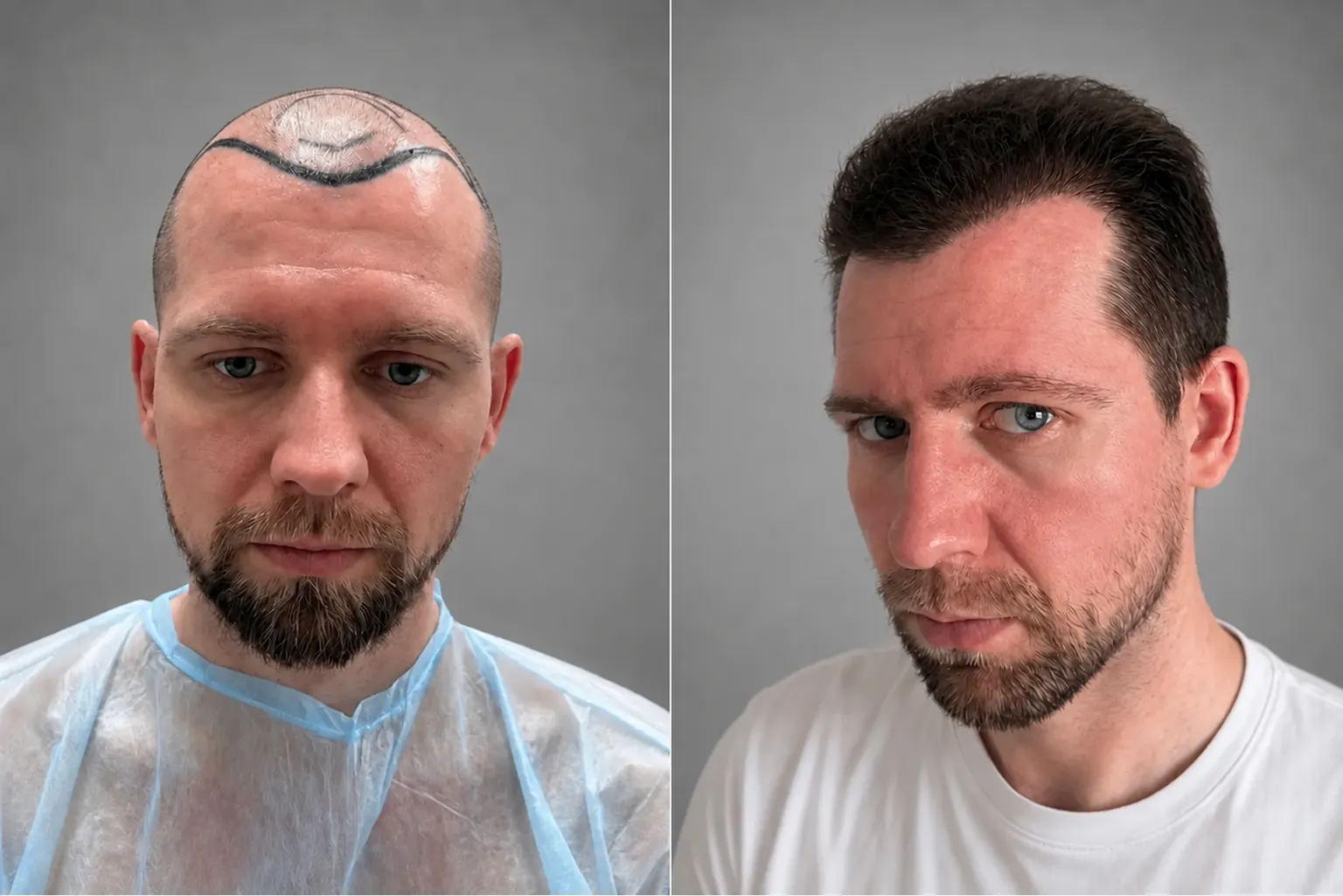
start
12 months on
3,600 grafts
FUE method
Comparison
We perform graft transfer by three technologies: classic FUE, suture-free DHI and a combined protocol. Compare implantation technique, tissue trauma and graft survival to make an informed choice.
Classic technique without incisions or stitches
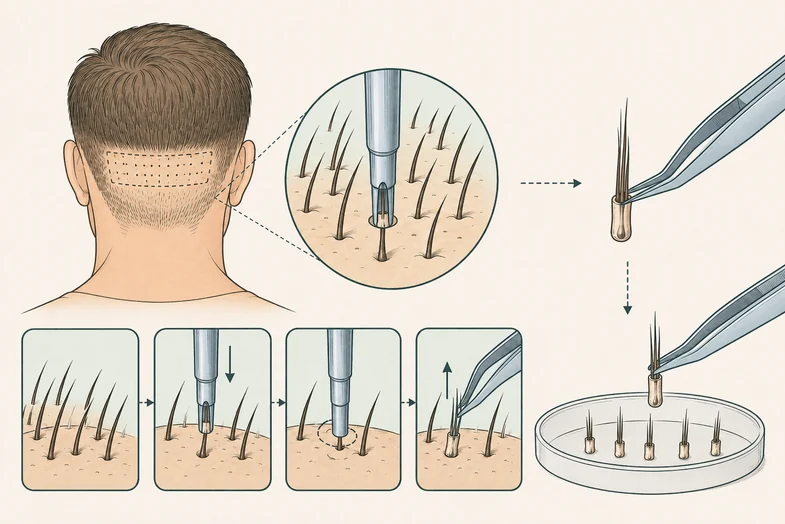
$2,200
$2,700
Graft implantation technique
ForcepsGraft trauma
MinimalNatural hair growth angle
NaturalGraft survival
98–100%Suitable for
Androgenetic alopeciaSuture-free implantation with a Choi pen
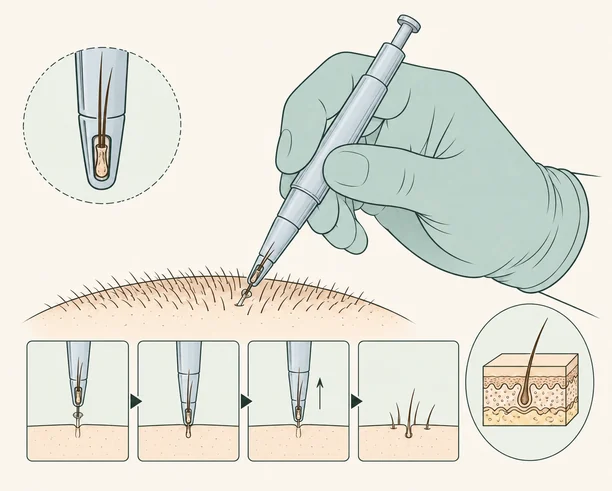
$2,500
$2,900
Graft implantation technique
DHI pen (Choi implanter)Graft trauma
MinimalNatural hair growth angle
NaturalGraft survival
98–100%Suitable for
DensificationFUE extraction, DHI pen implantation
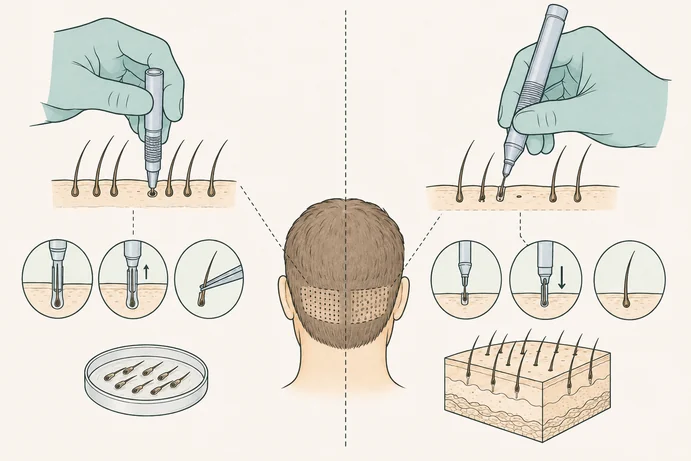
$2,700
$2,900
Graft implantation technique
FUE extraction + DHI implantationGraft trauma
MinimalNatural hair growth angle
NaturalGraft survival
98–100%Suitable for
Androgenetic alopecia and densificationEach method has averaged survival and trauma figures, given for orientation: the exact numbers depend on the transplant area and the patient's individual features, and the doctor clarifies them at the consultation.
Arrange a consultation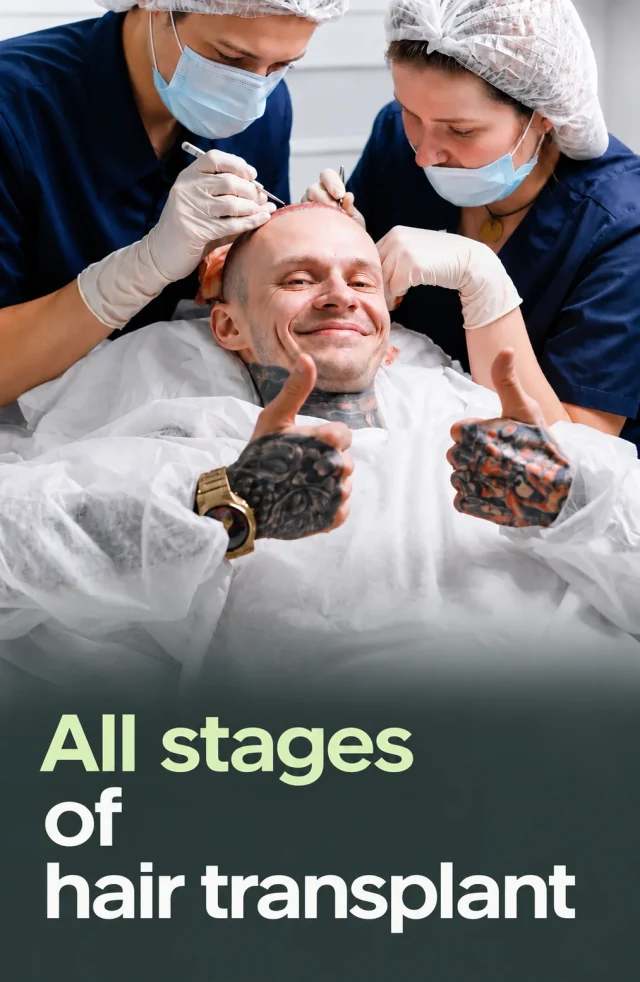
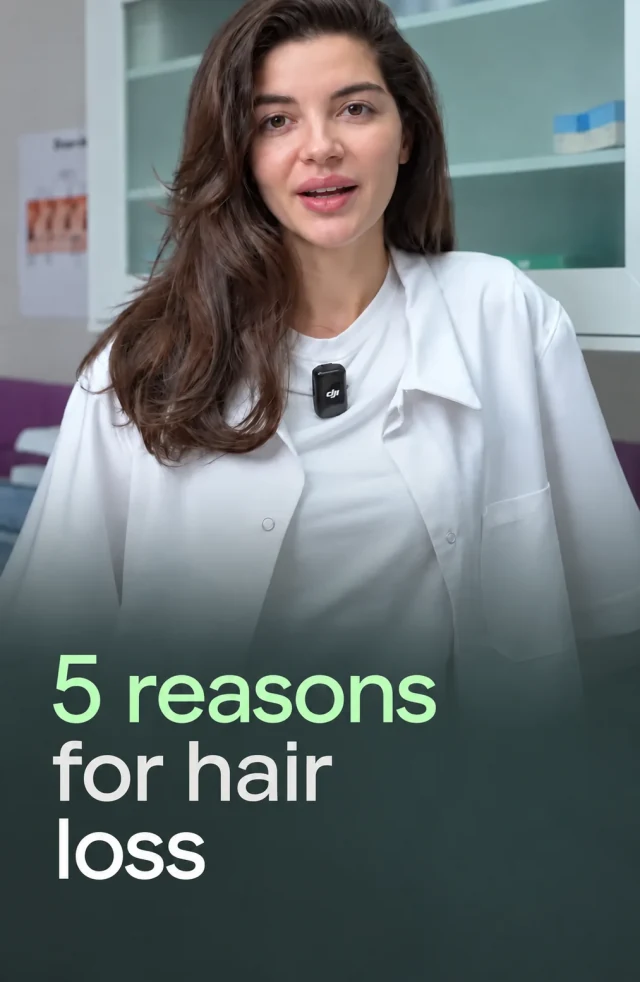
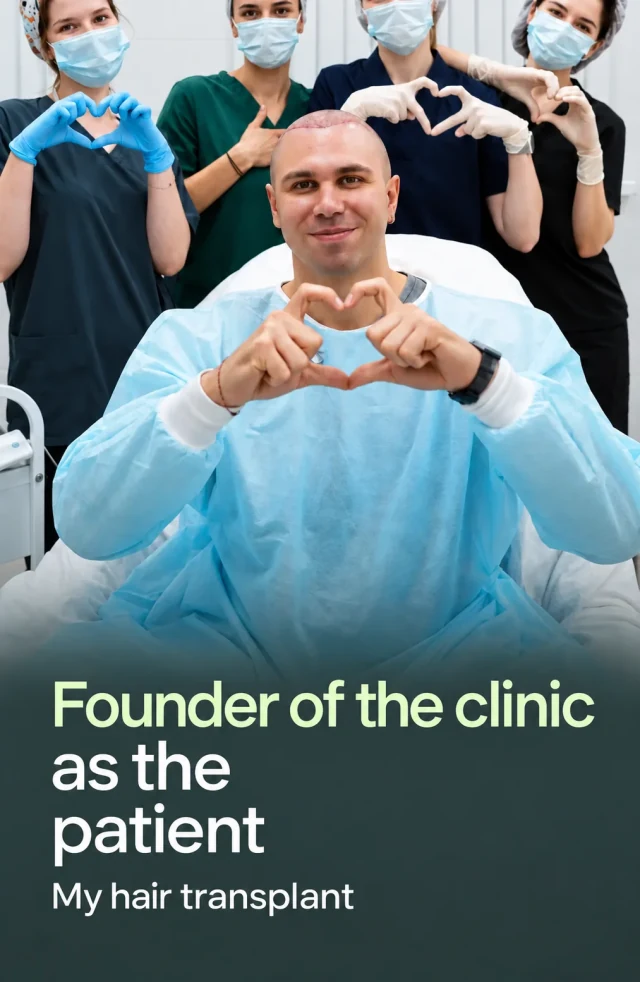
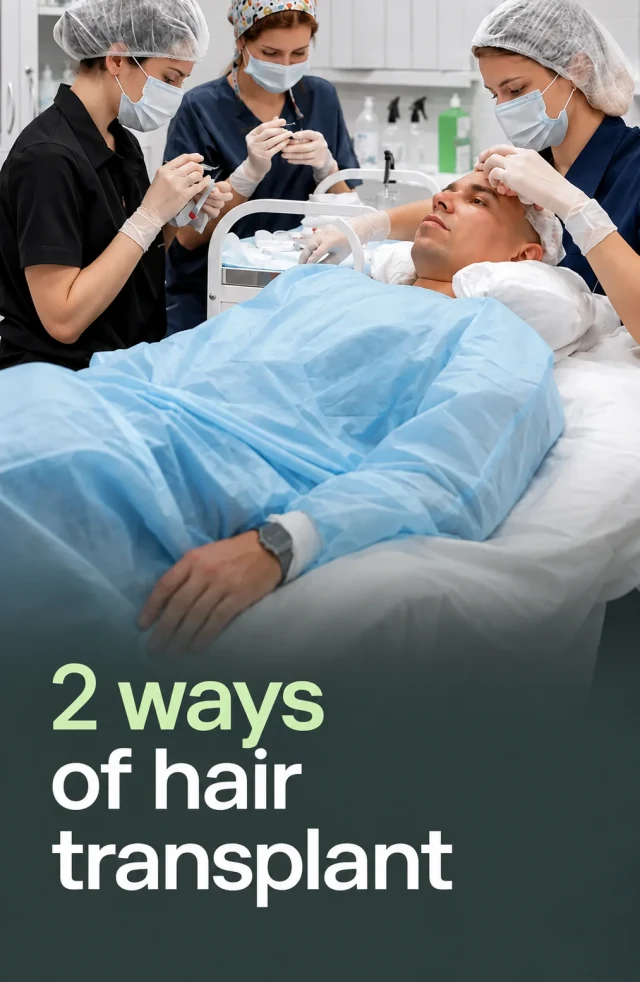


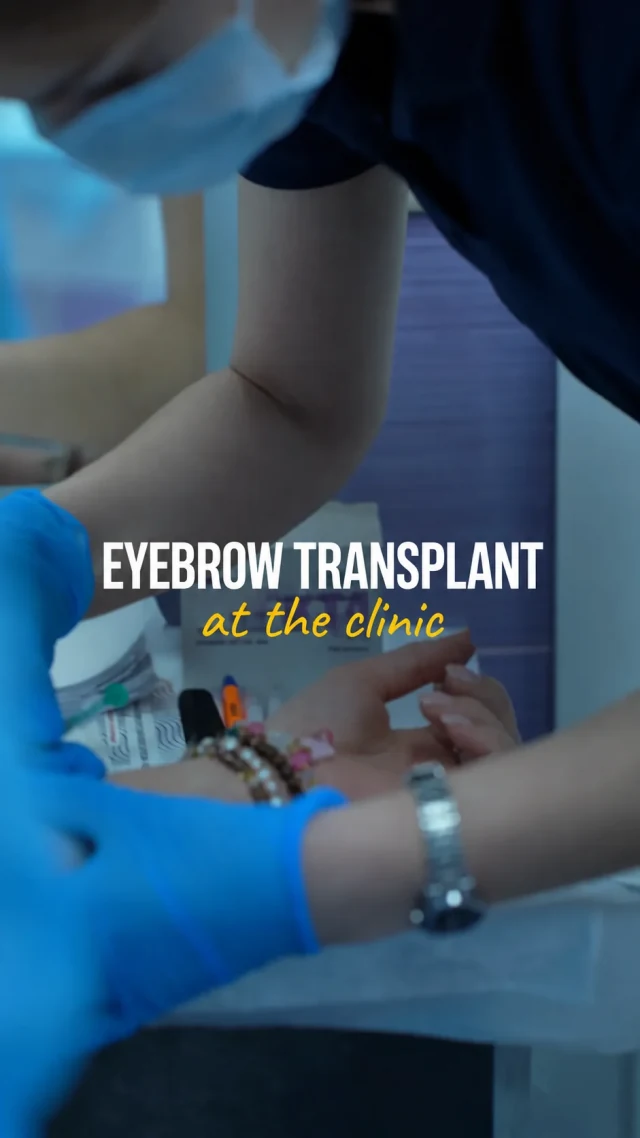

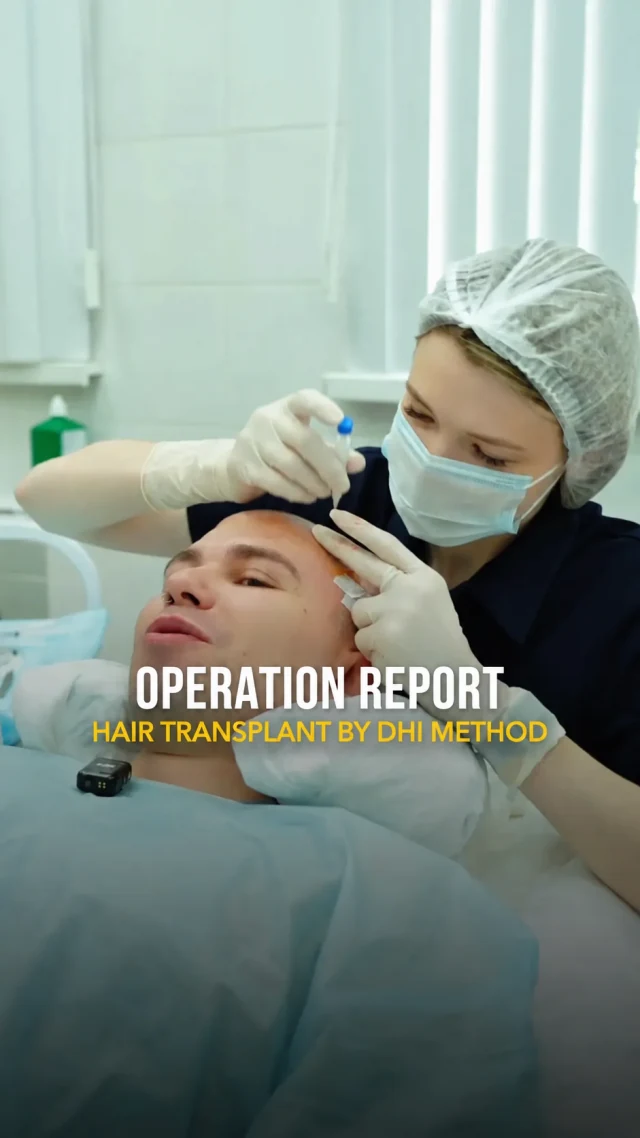
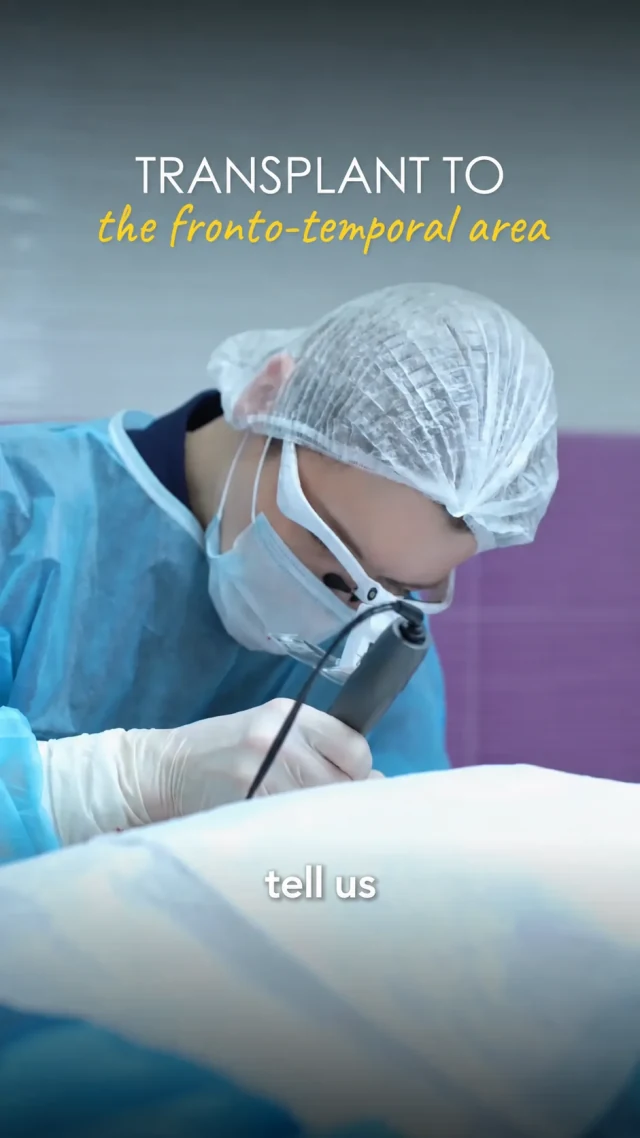

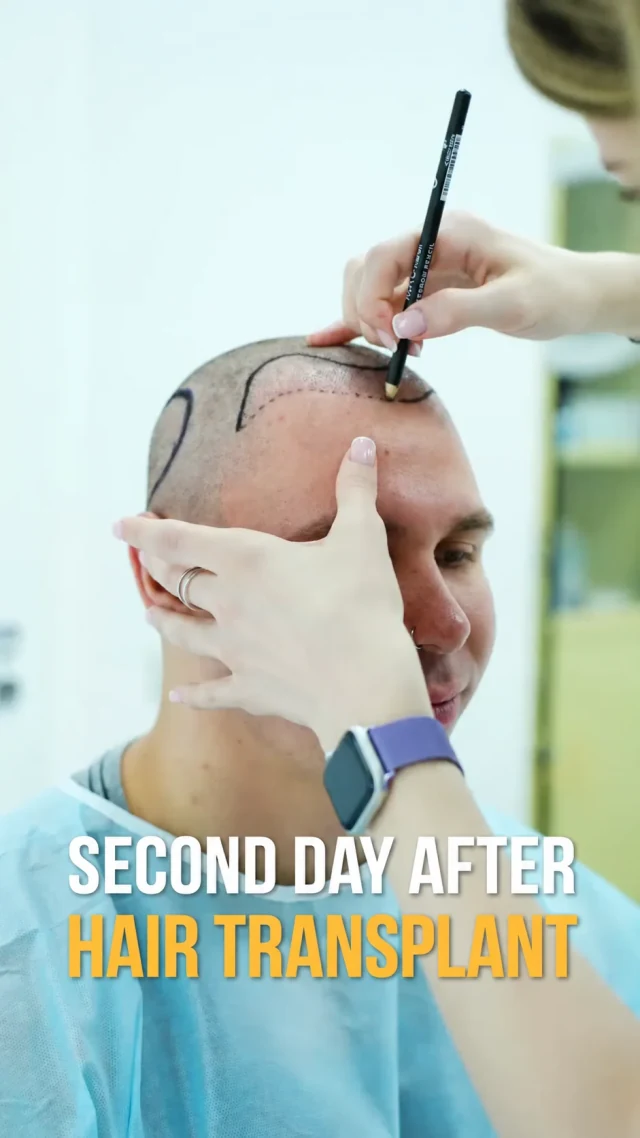


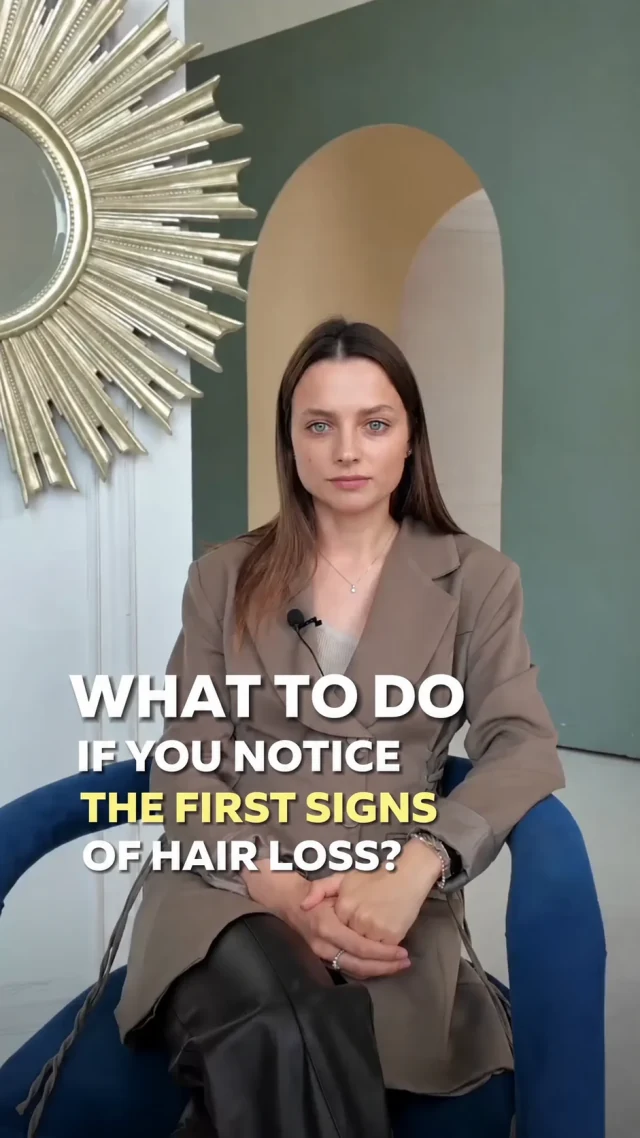


about the clinic
Clean, well-equipped rooms and staff who notice you
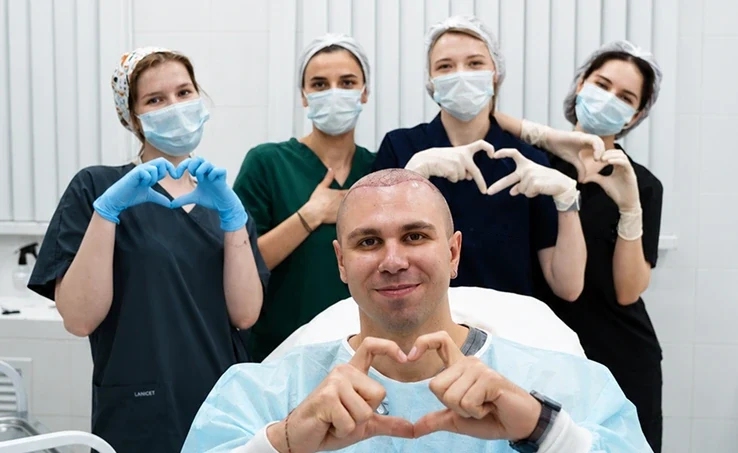
Questions are welcome, and the appointment is arranged around your schedule
Message us on Telegram Message us on WhatsApp Send your detailsShould your case be solvable without surgery, the doctor says so right at the consultation — and you spend nothing in vain. Below are the conditions in which a transplant really works.
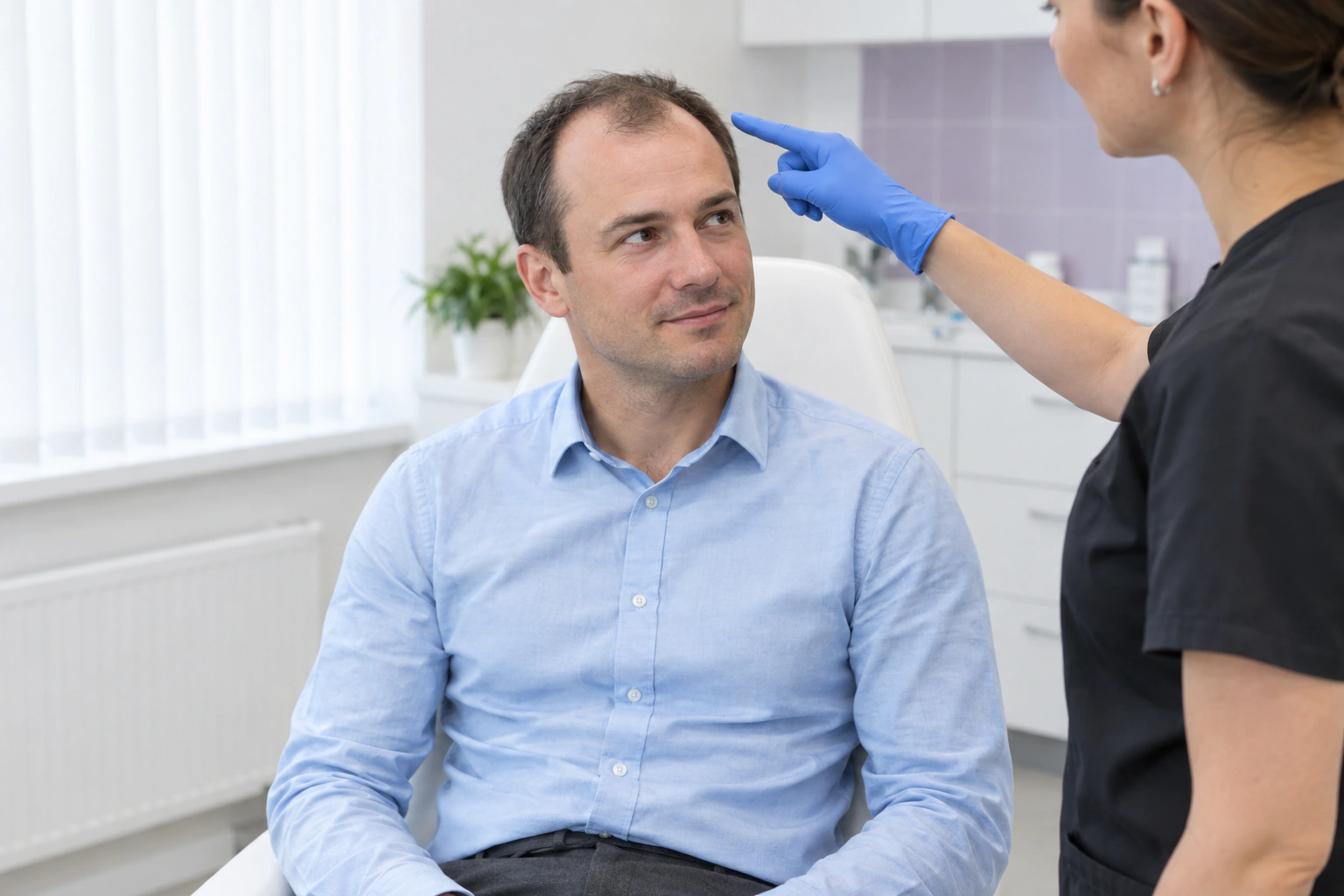

Leave a number: photos go to the coordinator in a messenger, and a doctor says whether a transplant would help. No fee.
services
Your price comes from the graft count made at the free consultation and is recorded in the contract.
suture-free graft extraction
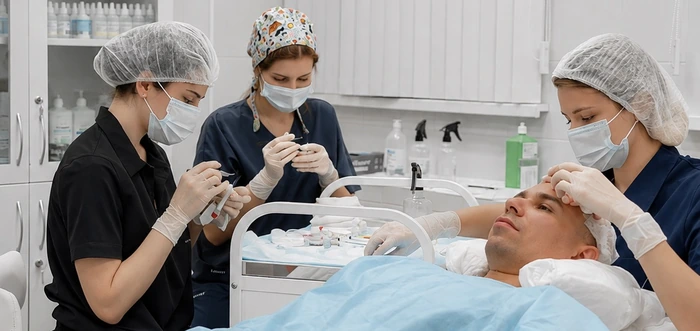
$2,200$2,700
or $367/mo — 0% instalments for 6 months
Hold the cost nowimplantation without channels
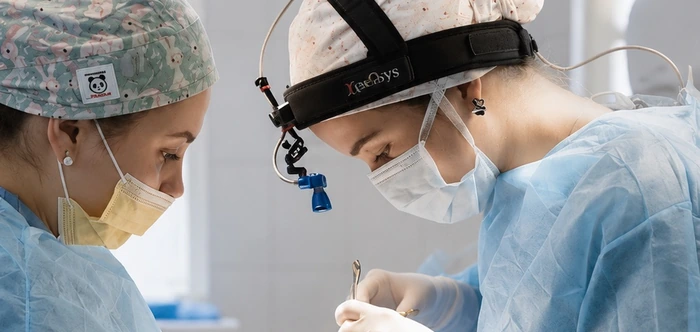
$2,500$2,900
or $417/mo — 0% instalments for 6 months
Hold the cost nowcombined technique
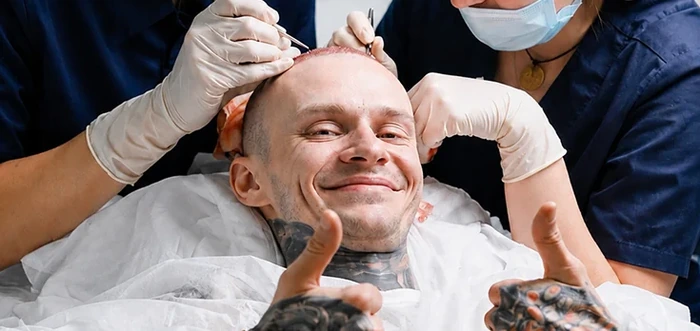
$2,700$2,900
or $450/mo — 0% instalments for 6 months
Hold the cost now| Talking to a doctor | Free |
|---|---|
| Eyebrow transplant, FUE | |
| Beard transplant, FUEinstalments $467/mo | |
| Hair trichopigmentation | |
| PRP therapy / session | $200 |
all included
From preparation before surgery to 12 months after.
No last-minute charges on the day of surgery.
another two areas
For areas other than the scalp, the donor grafts and the FUE method are the same; only the area differs.
FUE method, no incisions or stitches
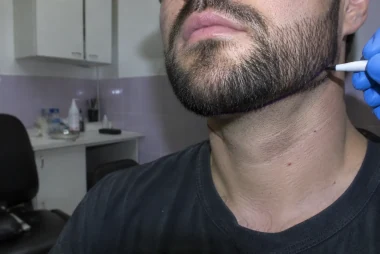
Grafts are taken at the back of the head, from the donor area, and moved through micro-punctures of about 1 mm — scars are not left. The shape is worked out with the doctor before the operation, with your facial features in mind. Transplanted hair grows for life: the beard can be trimmed and styled as usual.
$2,800$3,000
or $467/mo — 0% instalments for 6 months
Hold the cost nowFUE method, no incisions or stitches
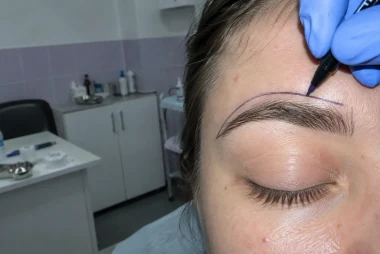
At the initial consultation the surgeon draws the eyebrow shape: you go through references together and the design accounts for your facial features. The hairs are set at the right angle, so the eyebrows look natural. It also helps where hairs stopped growing after years of plucking.
$1,600$1,700
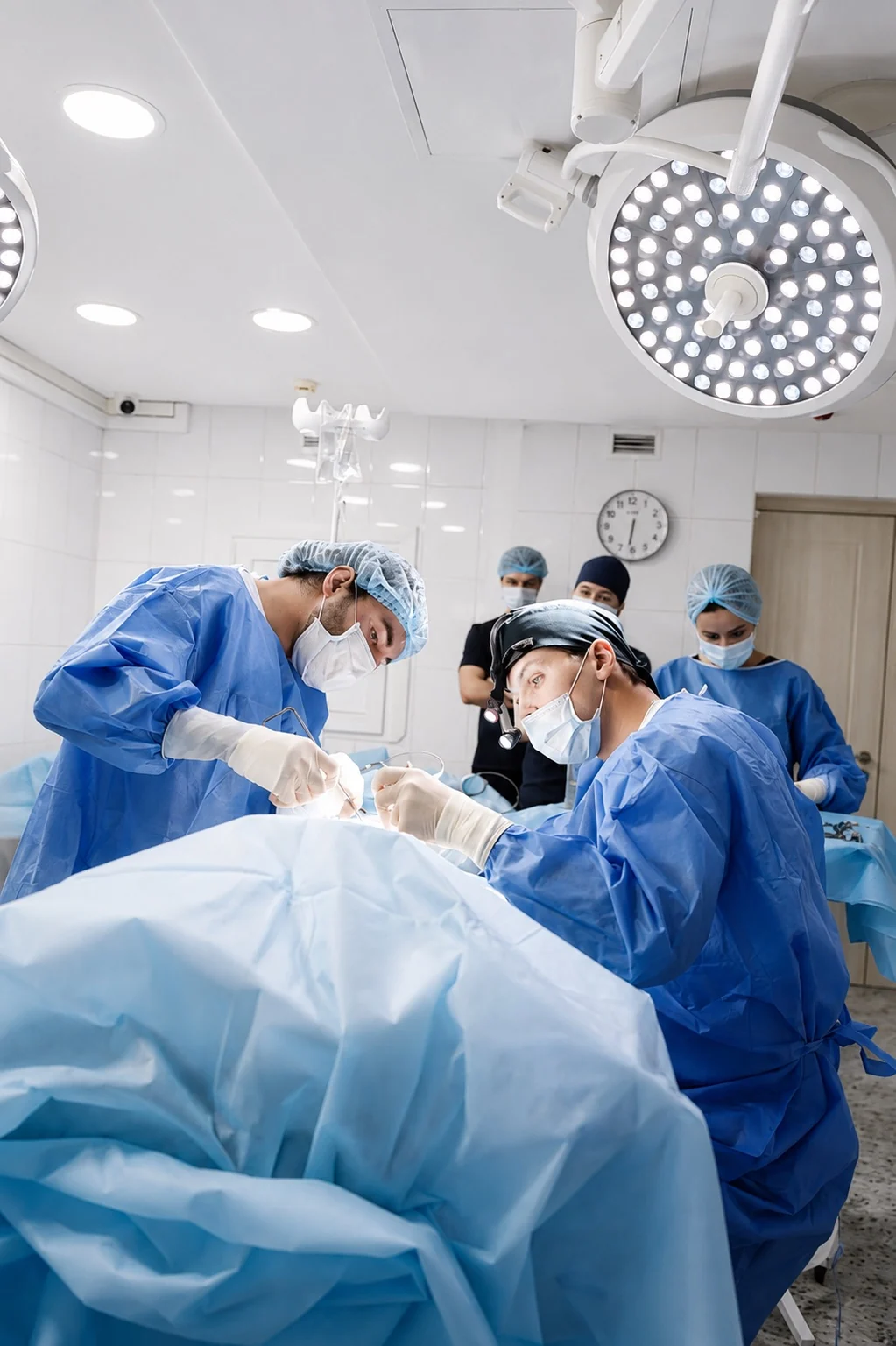
a day-case operation done under local anaesthesia
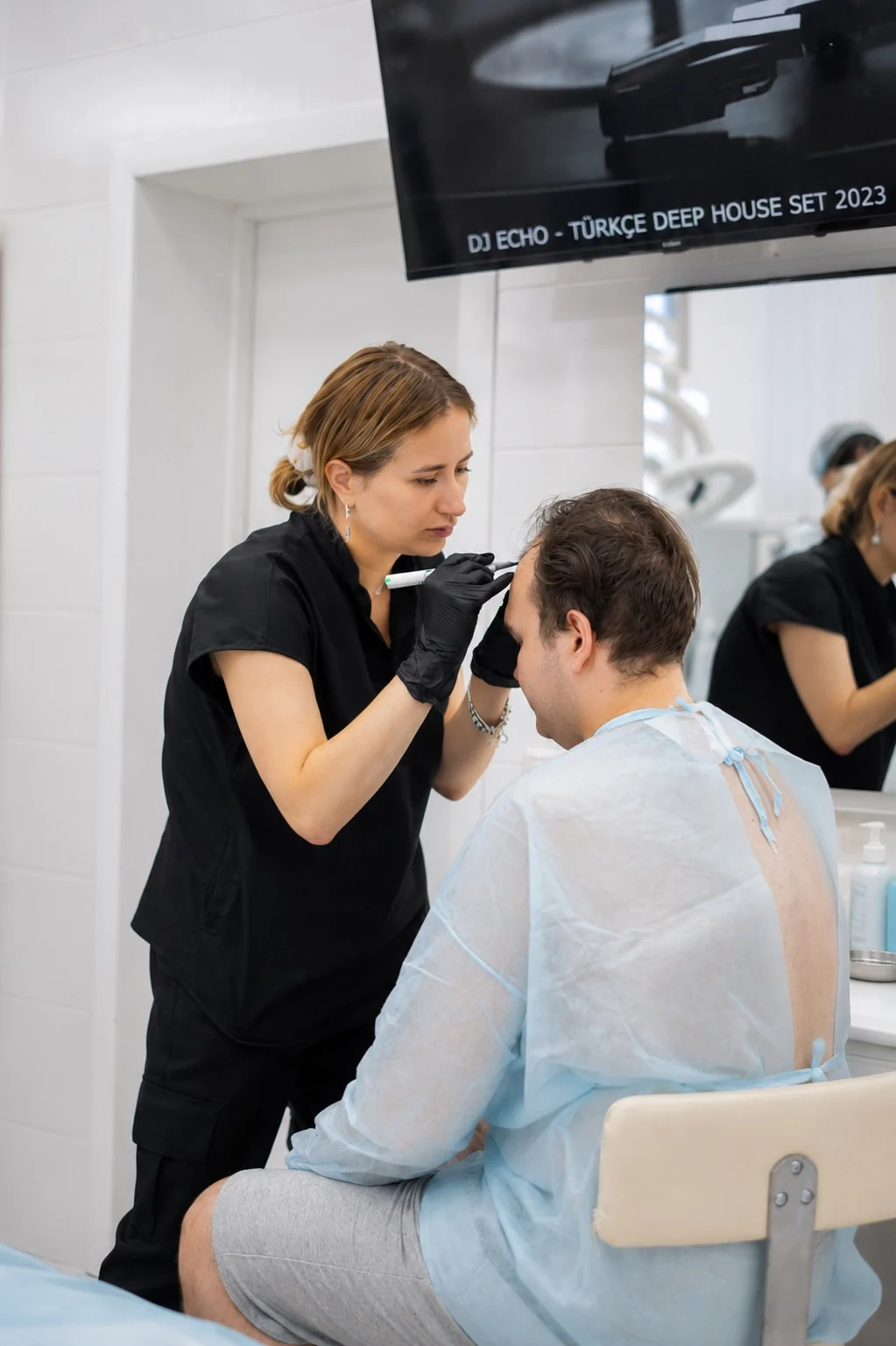
Hold the cost nowThe doctor examines the donor zone, counts what can be taken from it and describes a realistic outcome. Price is named during the consultation and carried into the contract.
Message our coordinator
Free online consultation · Reply within 15 minutes
Message us on TelegramMessage us on WhatsAppBy messaging us, you agree to our Privacy Policy
Process
From consultation to going home — all in one day
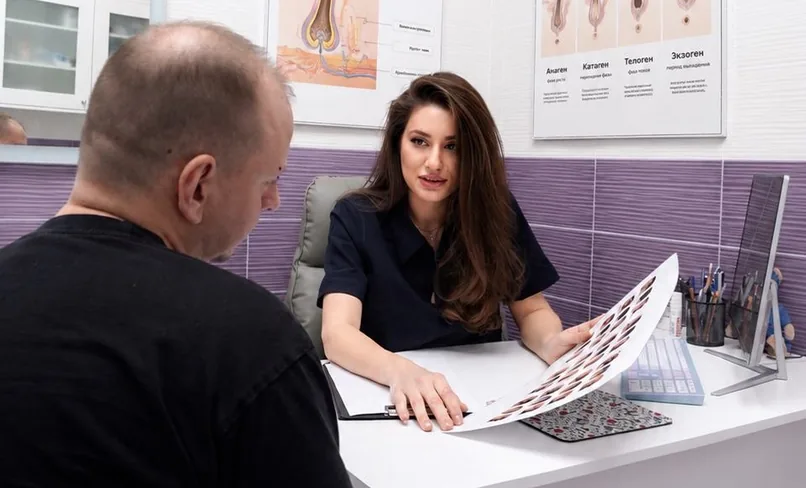
Everything opens with a consultation. The doctor describes both FUE and DHI, deals with your questions, and checks the state of the donor area.

The date is yours after a deposit; pay with a bank card on site if that is convenient, or handle it online.
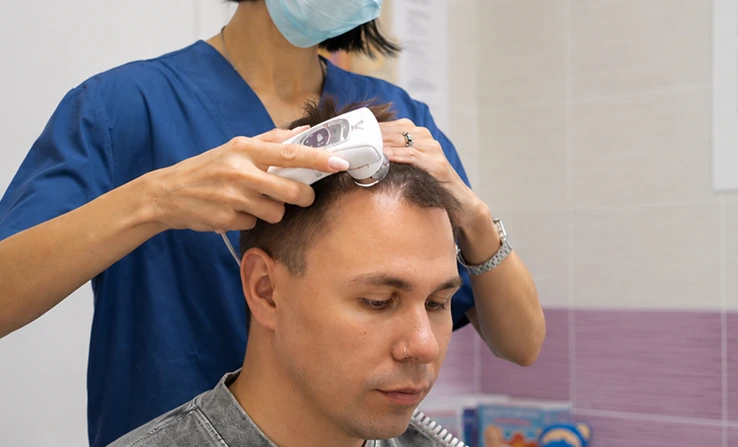
The clinic names every analysis required before surgery and gives you directions so the preparation goes without trouble.
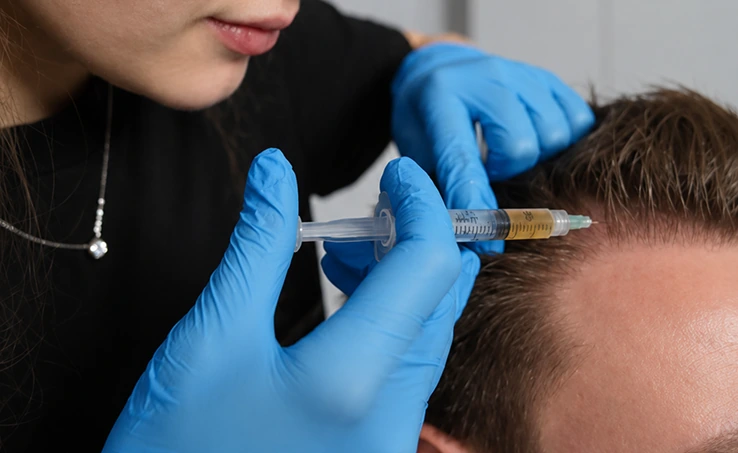
The procedure is performed under local anaesthesia, so the operation itself is painless.
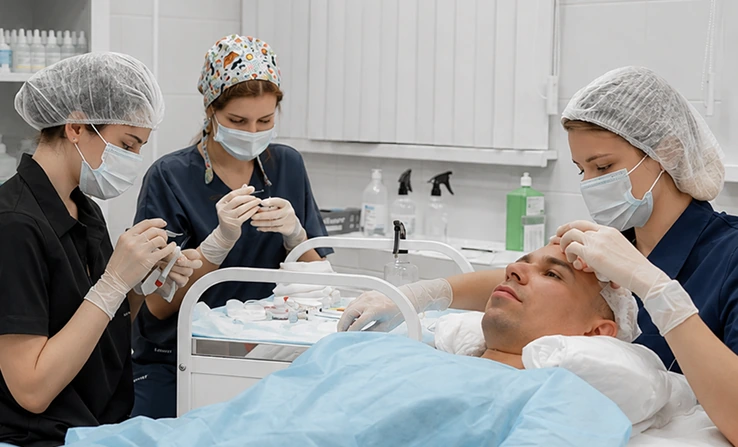
From the back of the scalp or the temples, follicles are collected, and the area heals without stitching.
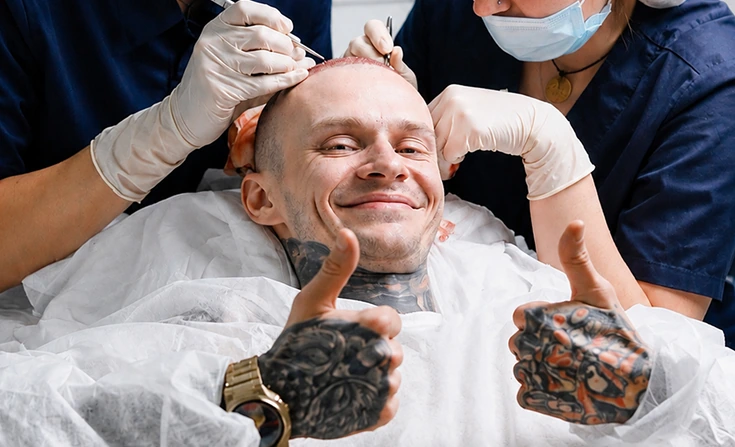
The surgical team implants each graft into the balding zone with precision.
This final step covers recovery, with the clinic giving you everything required and detailed instructions to speed healing.
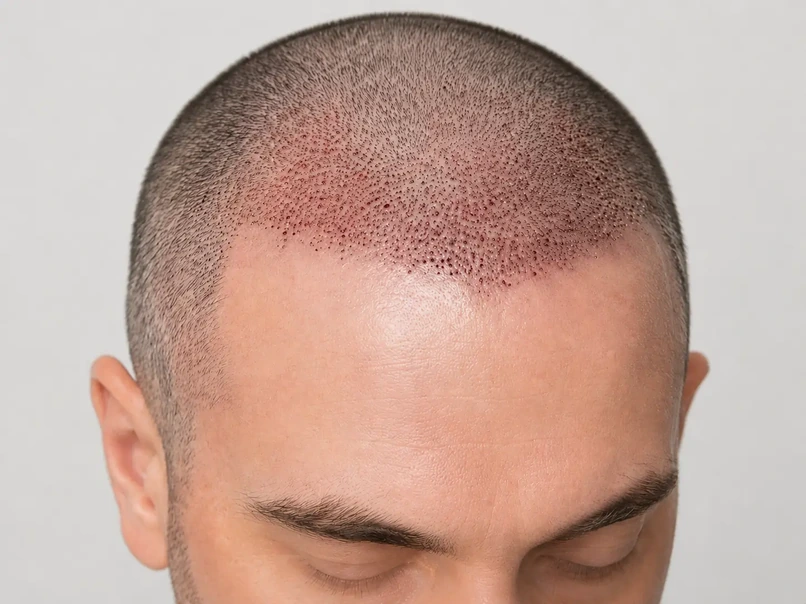
The crusts come off, the swelling subsides, the area slowly heals
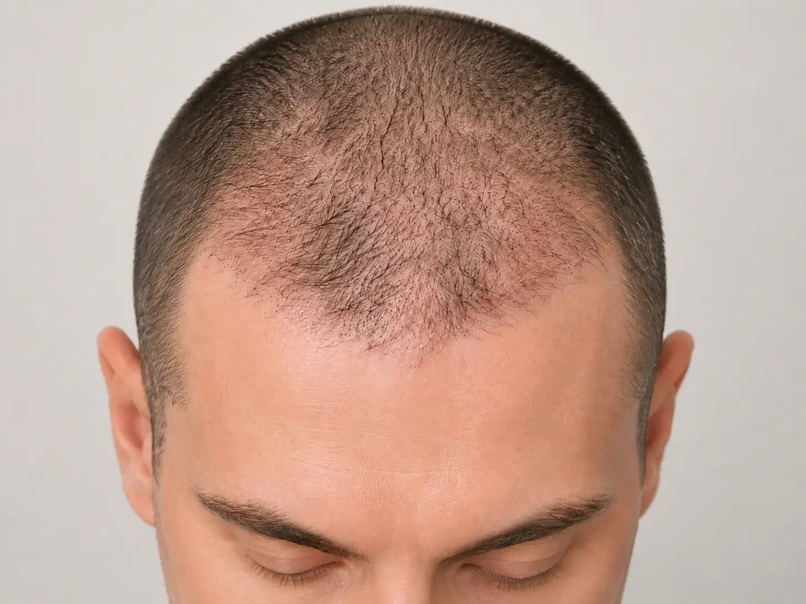
Nothing to fix: hair is shed, but follicles are not
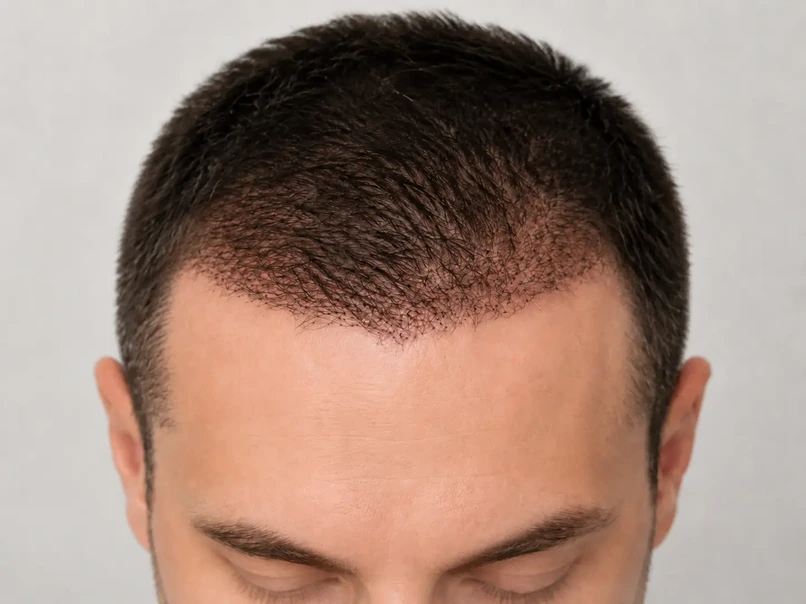
New hairs come gradually, the result starts showing
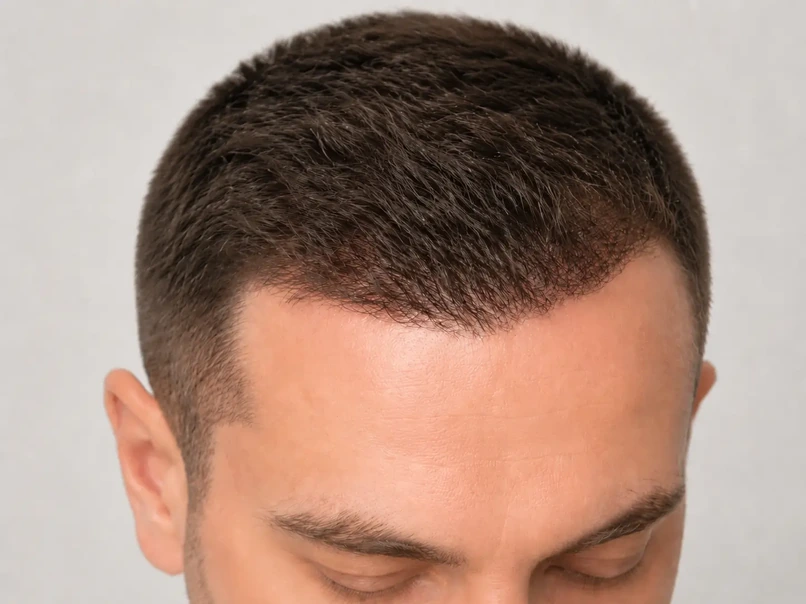
The hair thickens, the main volume and the contour are visible
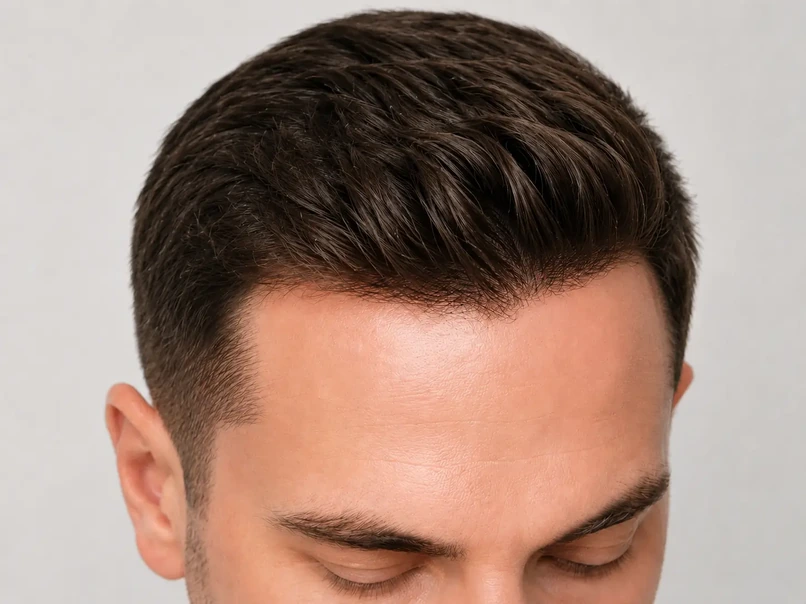
You see the full volume and a convincingly natural edge
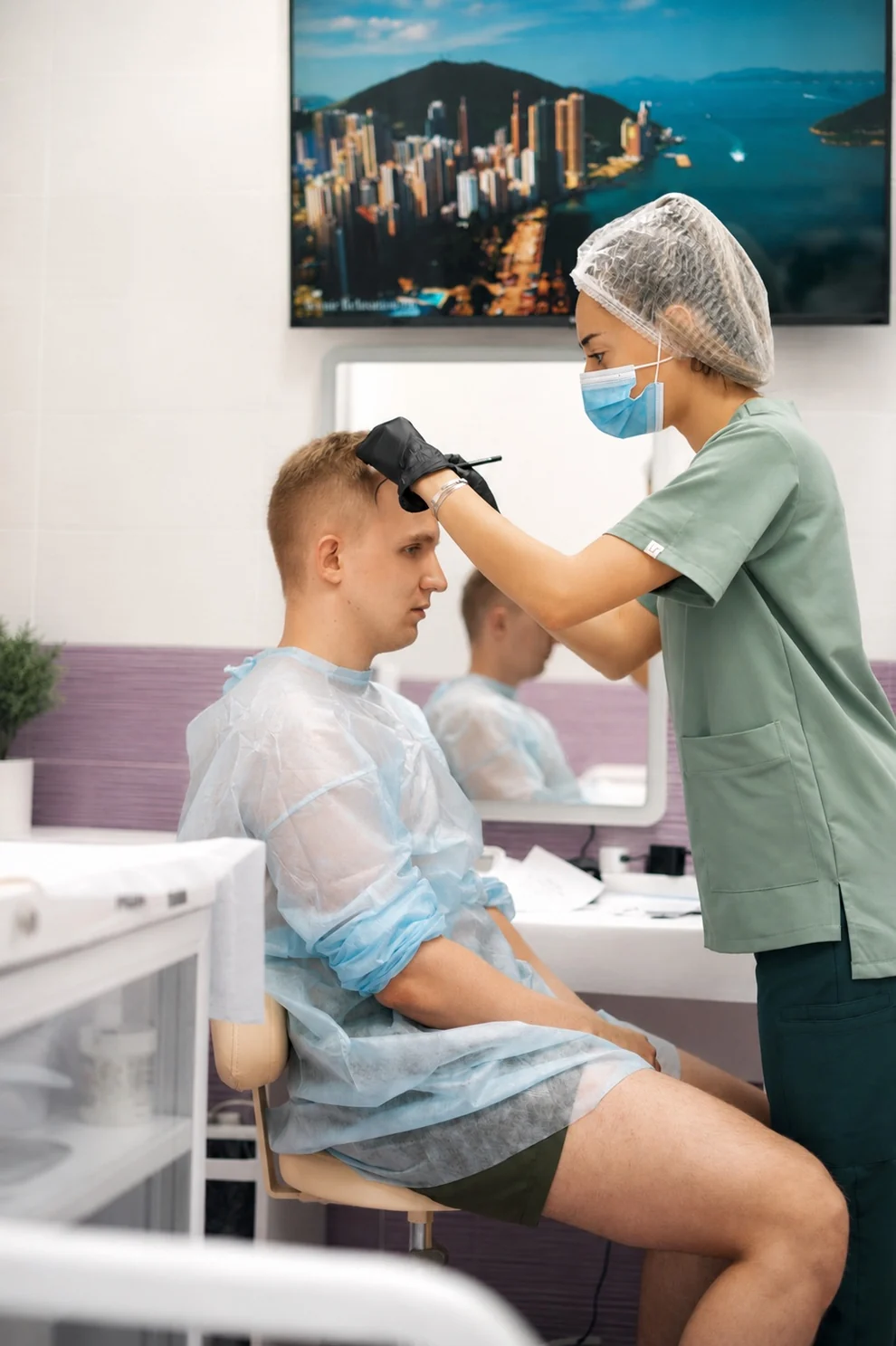
Free, before the operation and committing you to nothing.
Arrange a consultationdoctors

Hair transplant doctor, trichologist, surgeon
10 years of experience

Dermatovenereologist, trichologist, surgeon
11 years of experience
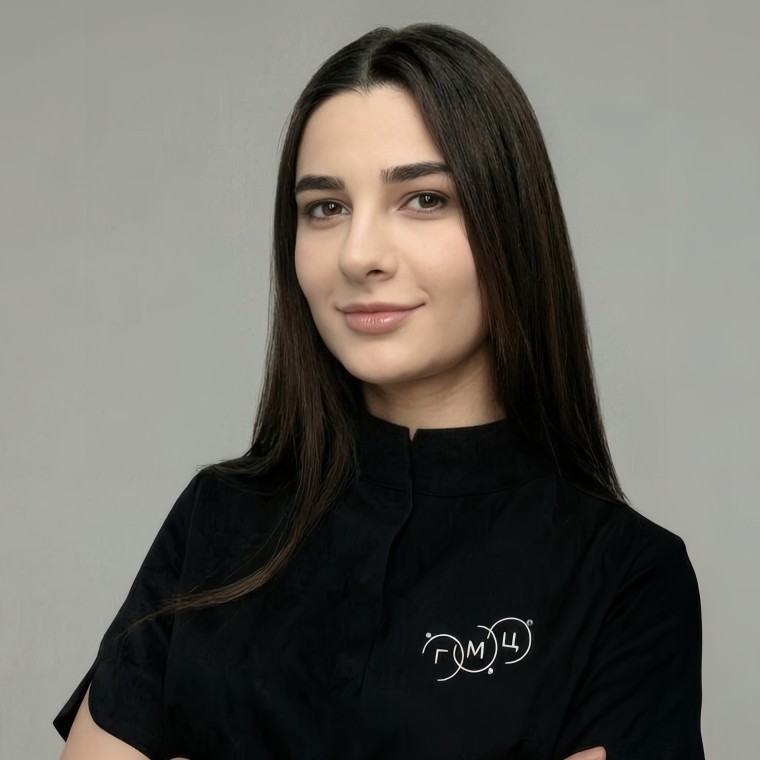
Plastic surgeon
9 years of experience

Plastic surgeon
9 years of experience
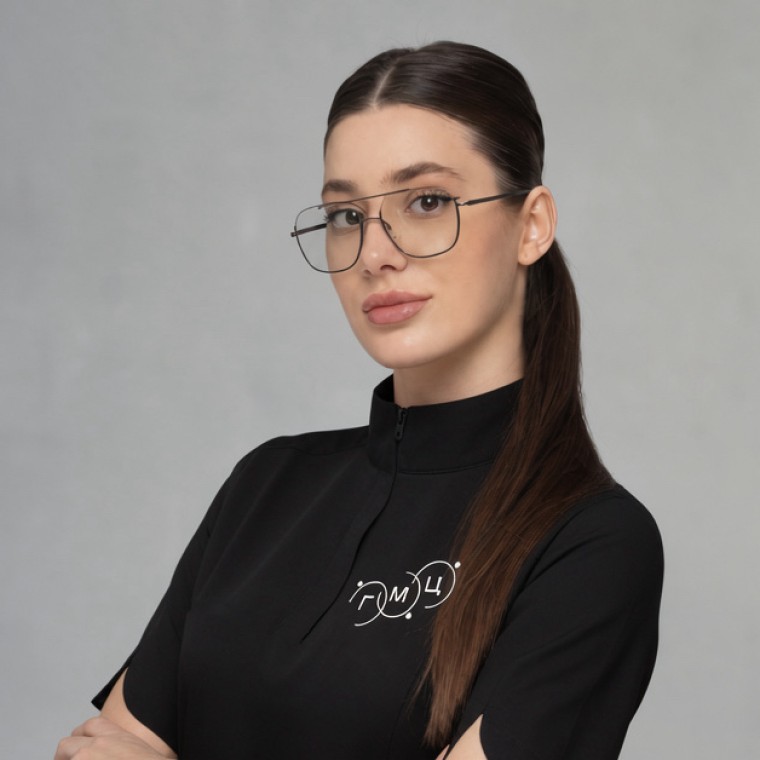
Assistant
9 years of experience
The doctor gauges the donor zone, puts a number on the grafts and describes the outcome you can reach.
Arrange a consultationcoordinators
You are given a personal coordinator who guides you from the first enquiry to recovery.

Your point of contact
With you through to recovery
Looks after the papers and the booking

Your point of contact
With you through to recovery
Looks after the papers and the booking

Your point of contact
With you through to recovery
Looks after the papers and the booking
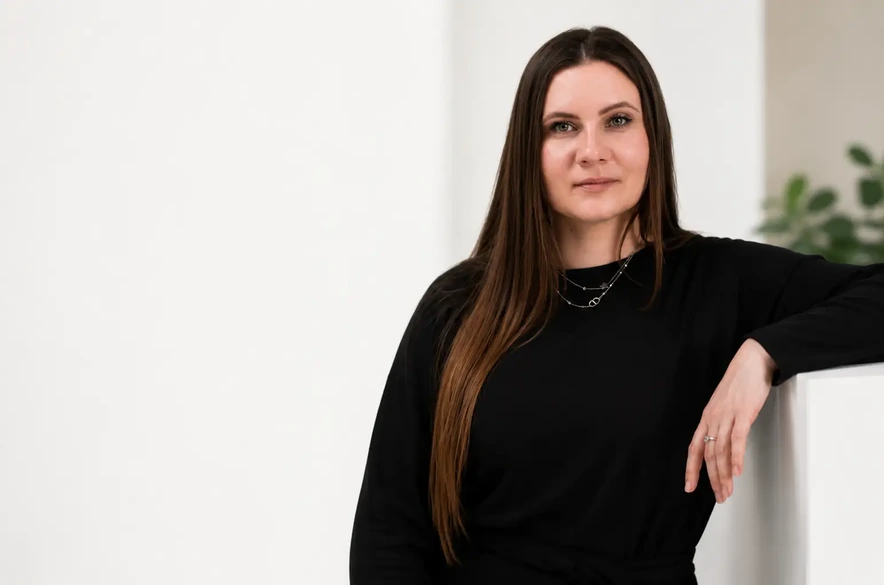
Your point of contact
With you through to recovery
Looks after the papers and the booking
A private feed for readers who put substance above noise

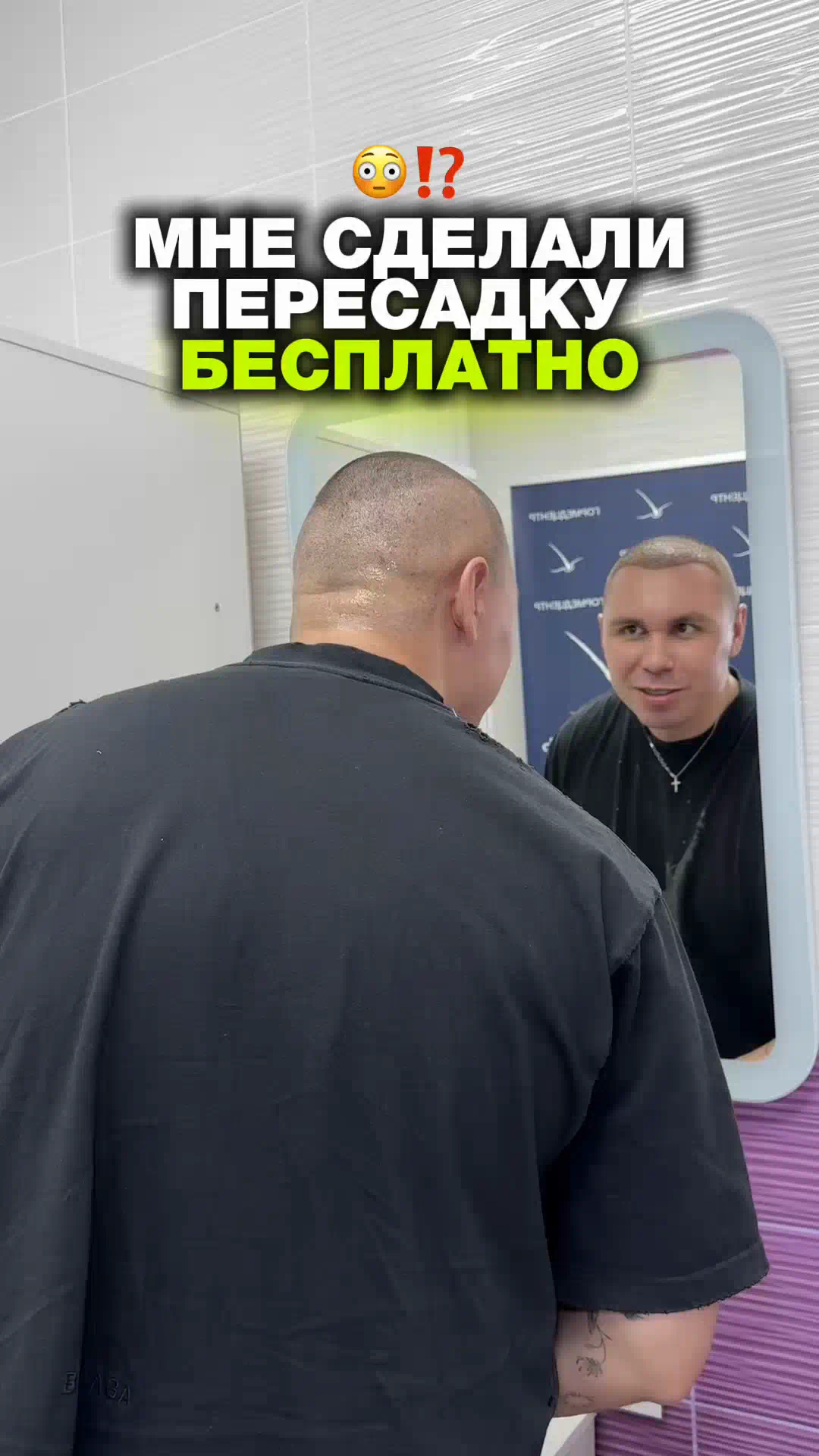
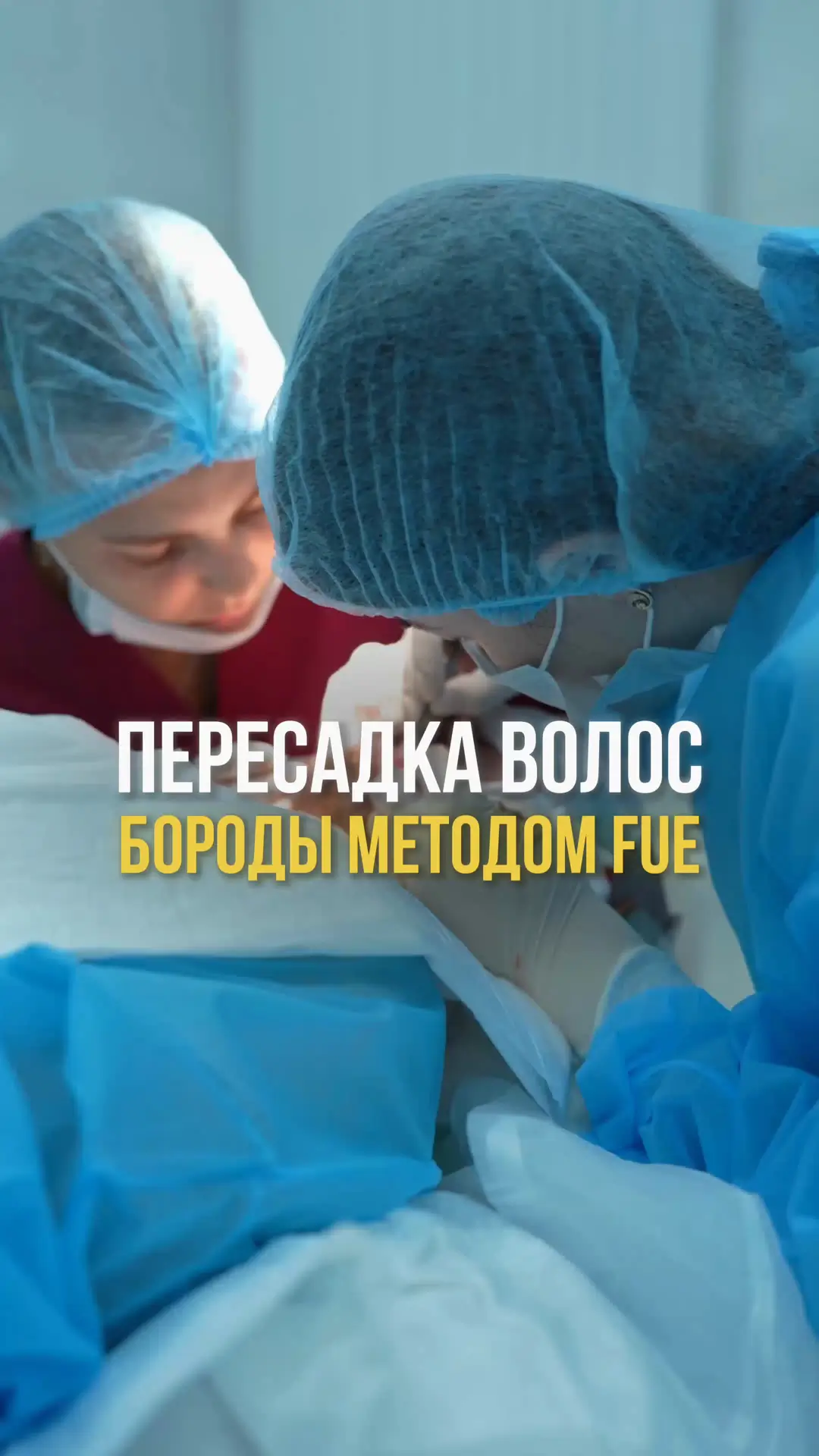

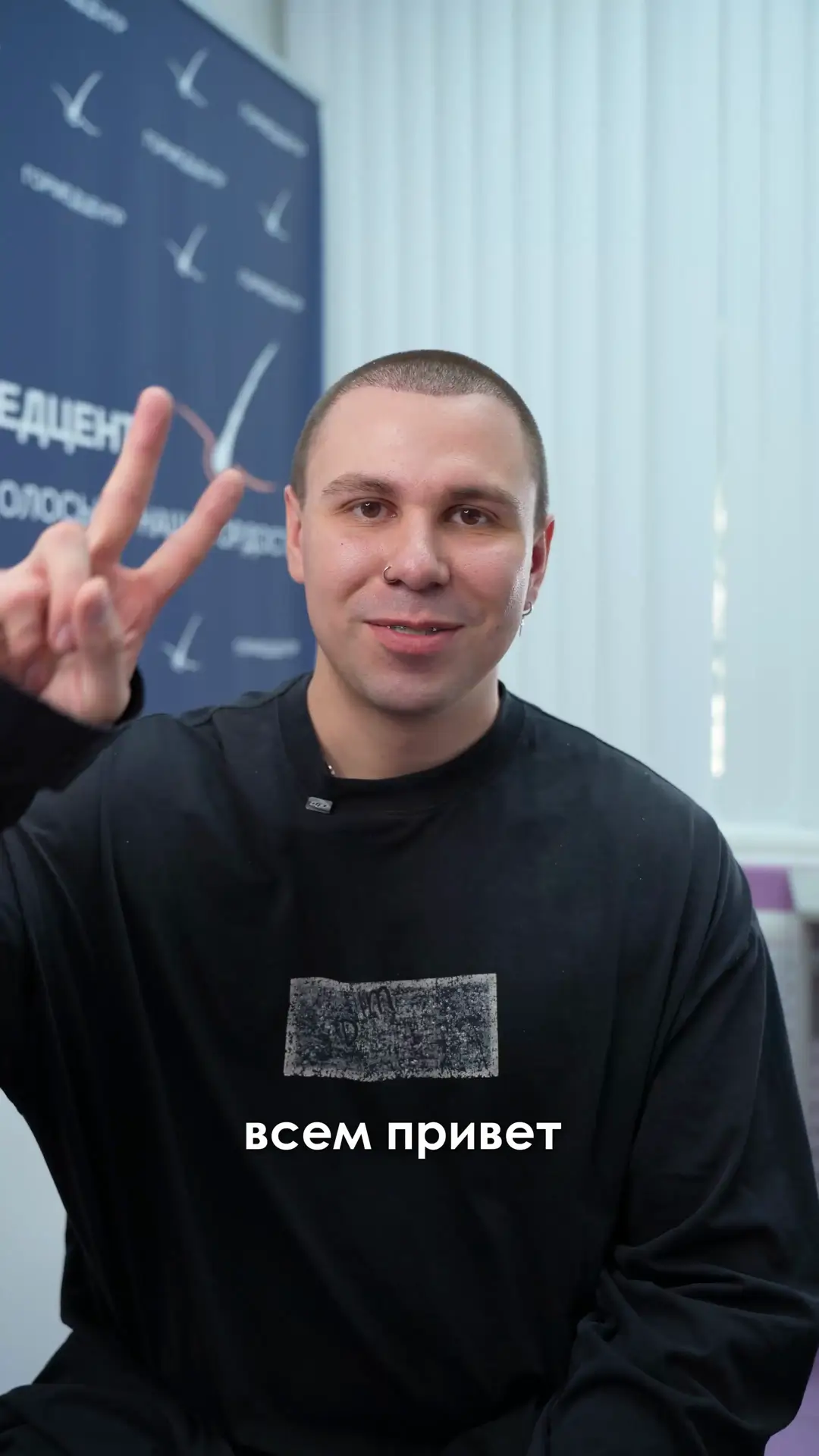
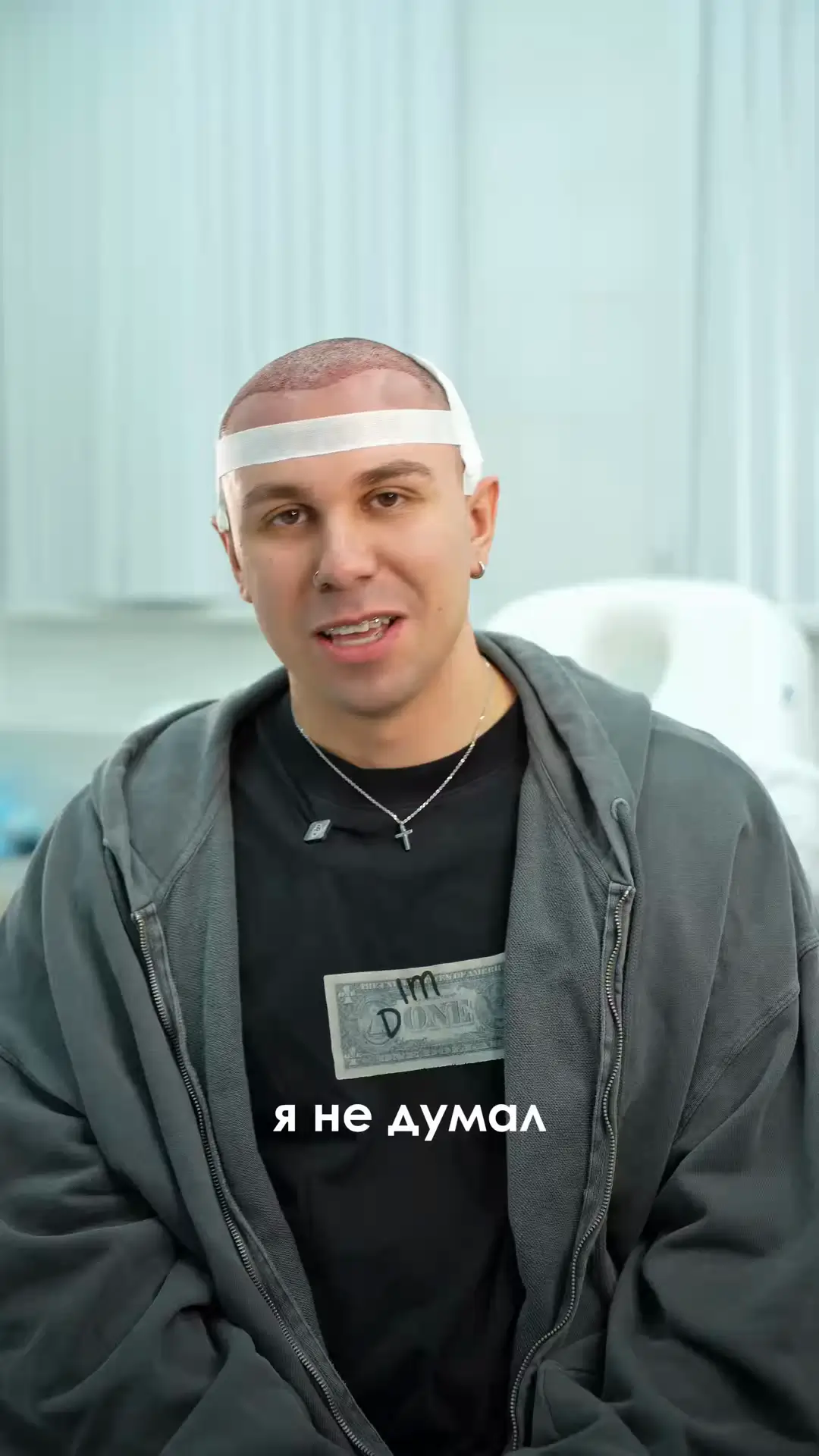
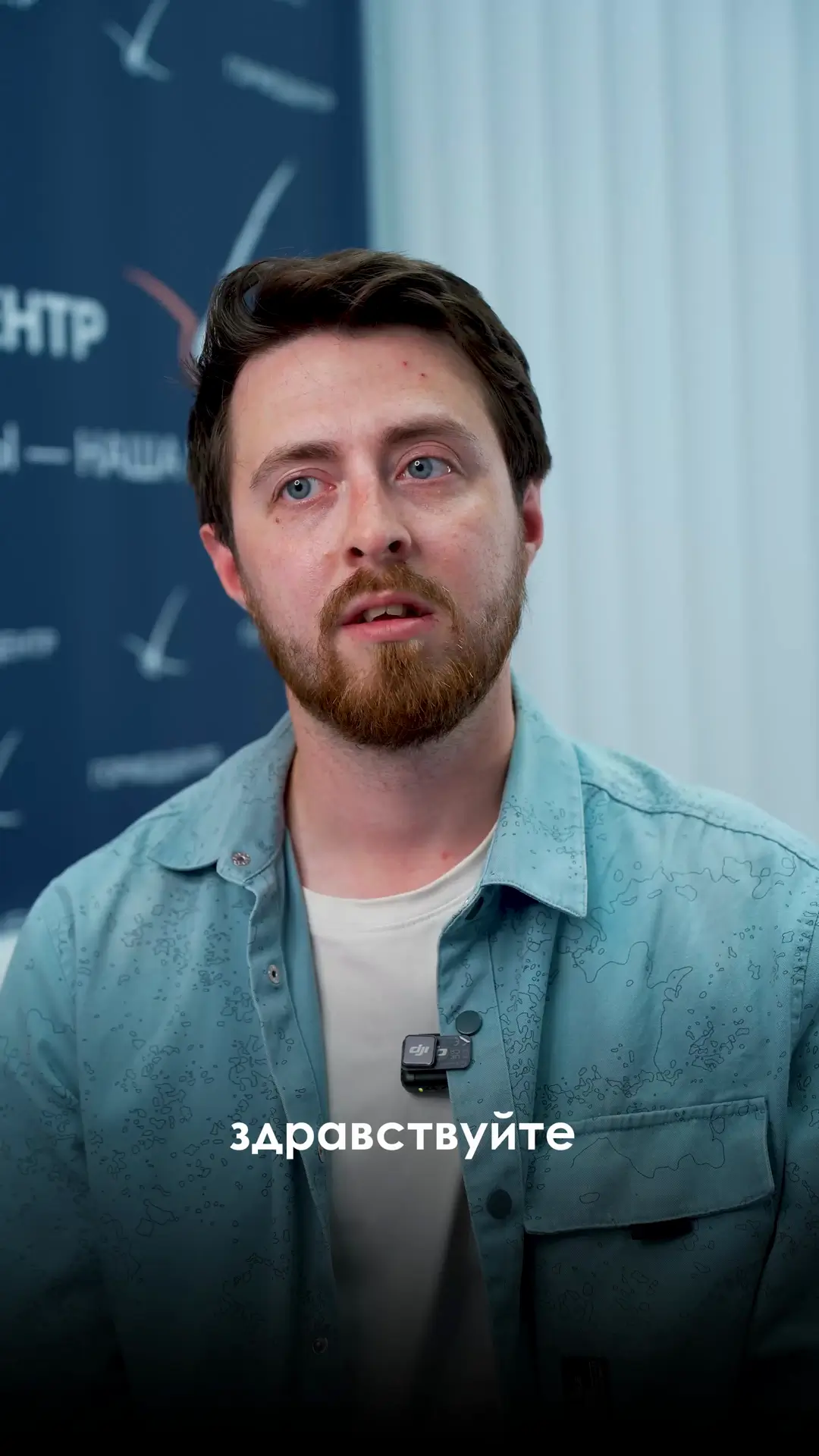
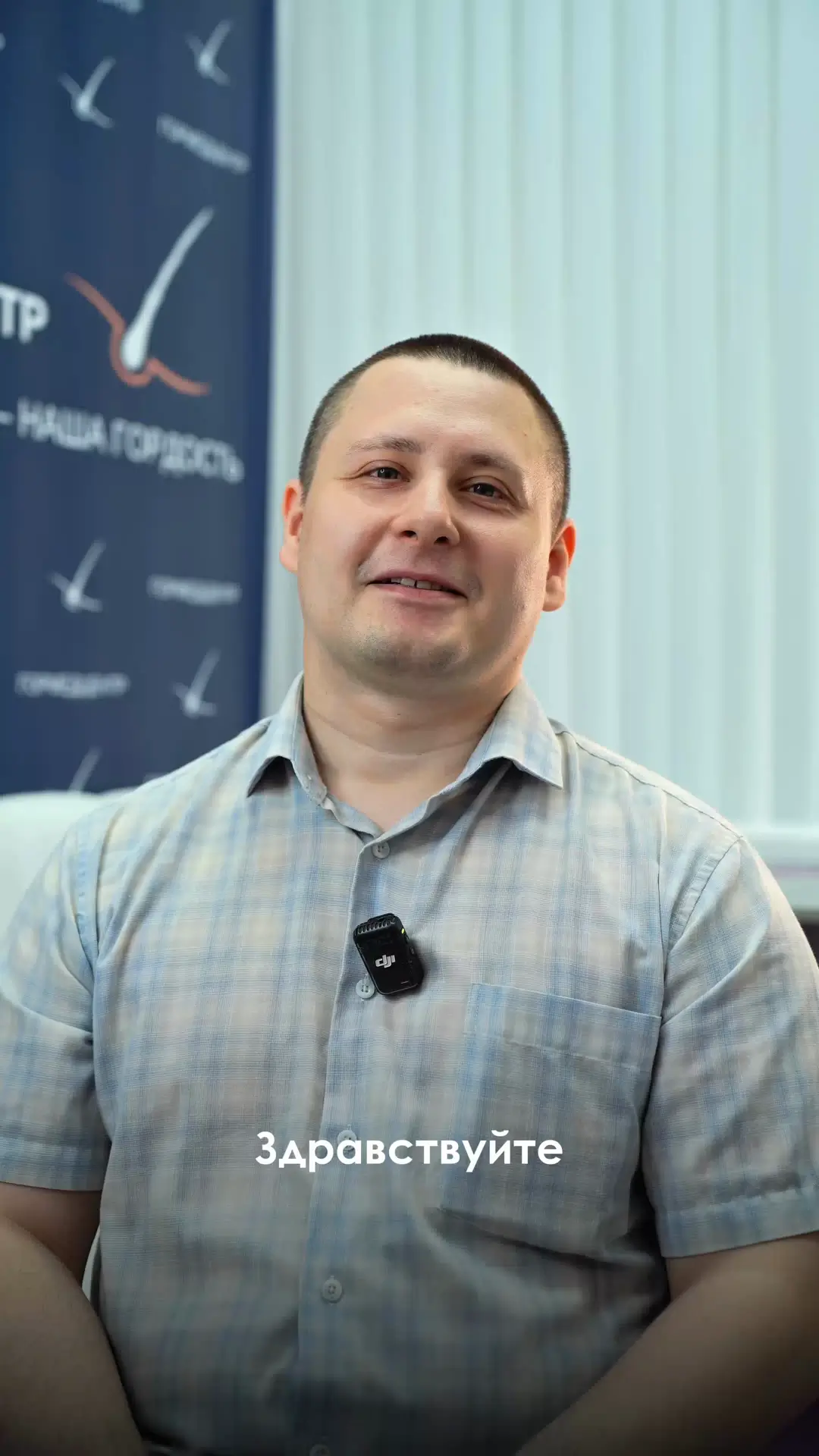
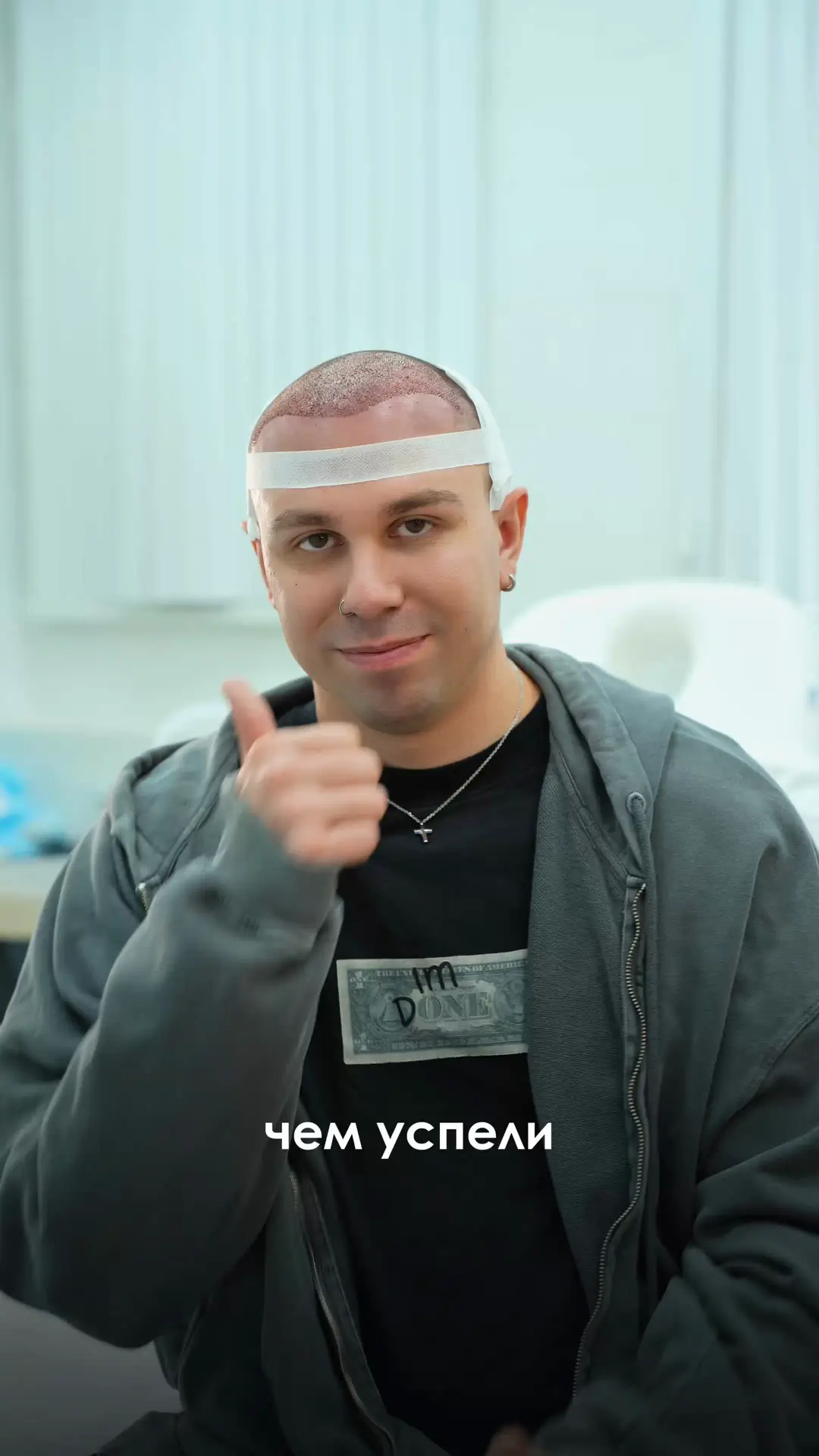
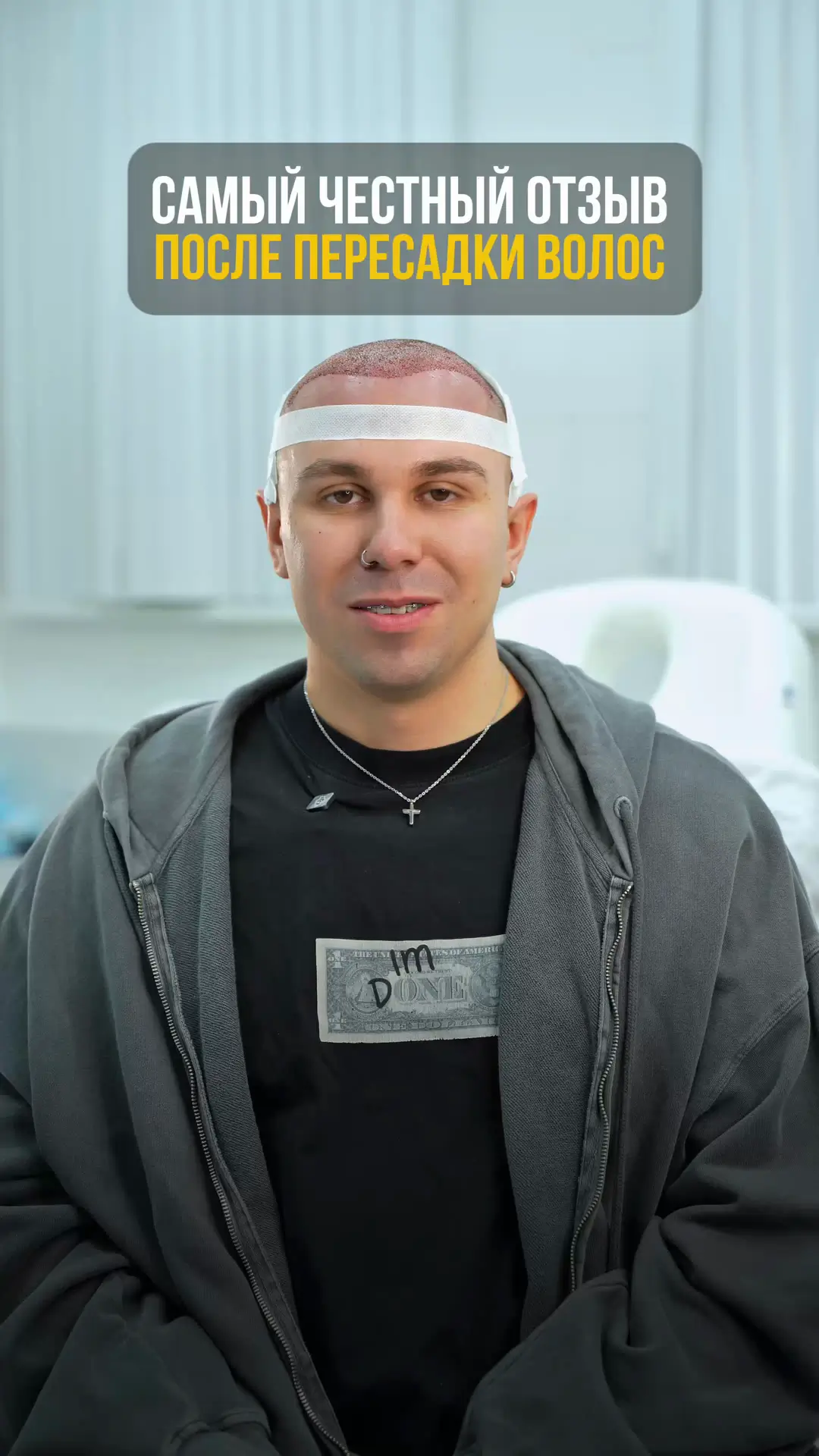
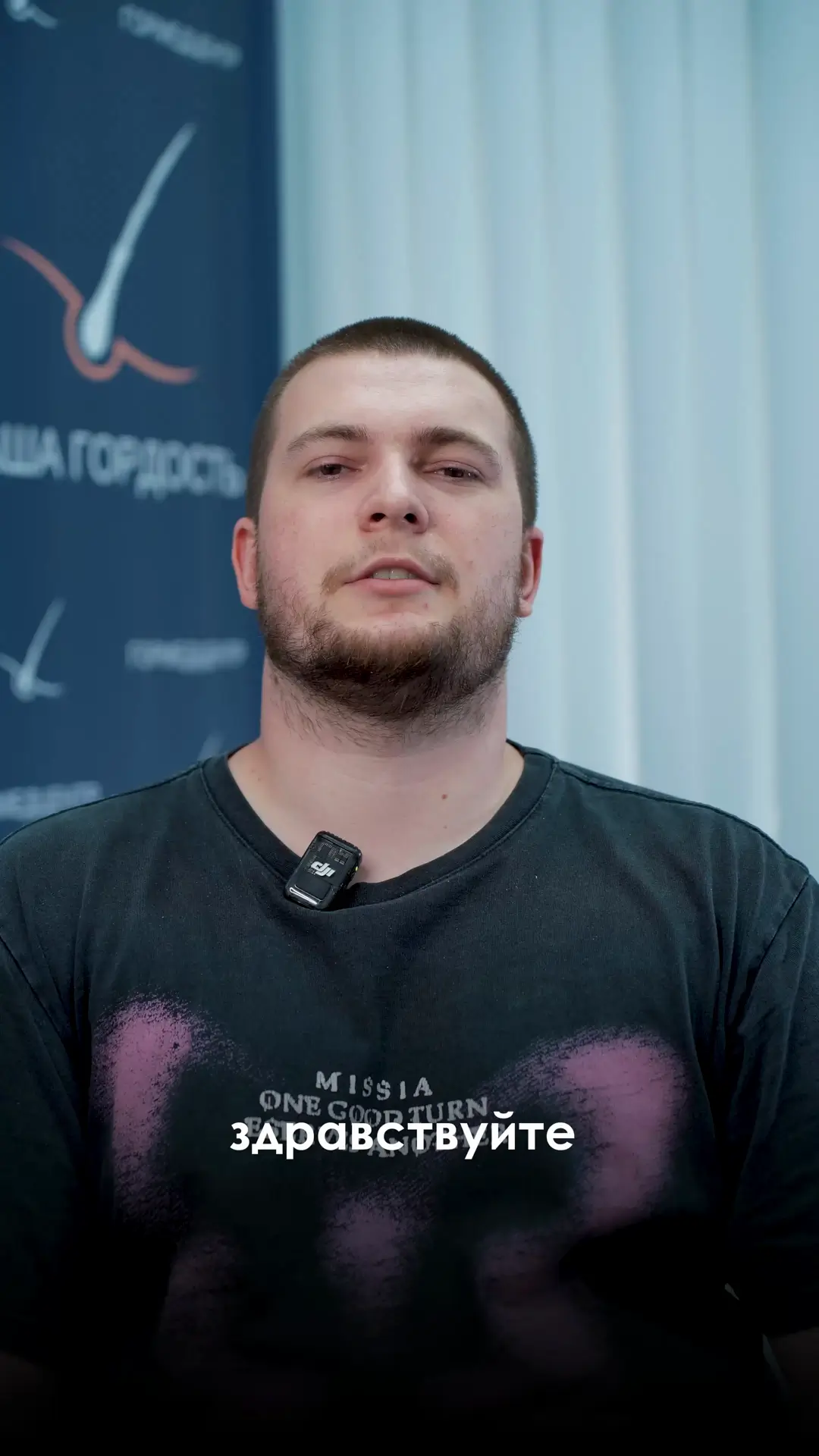
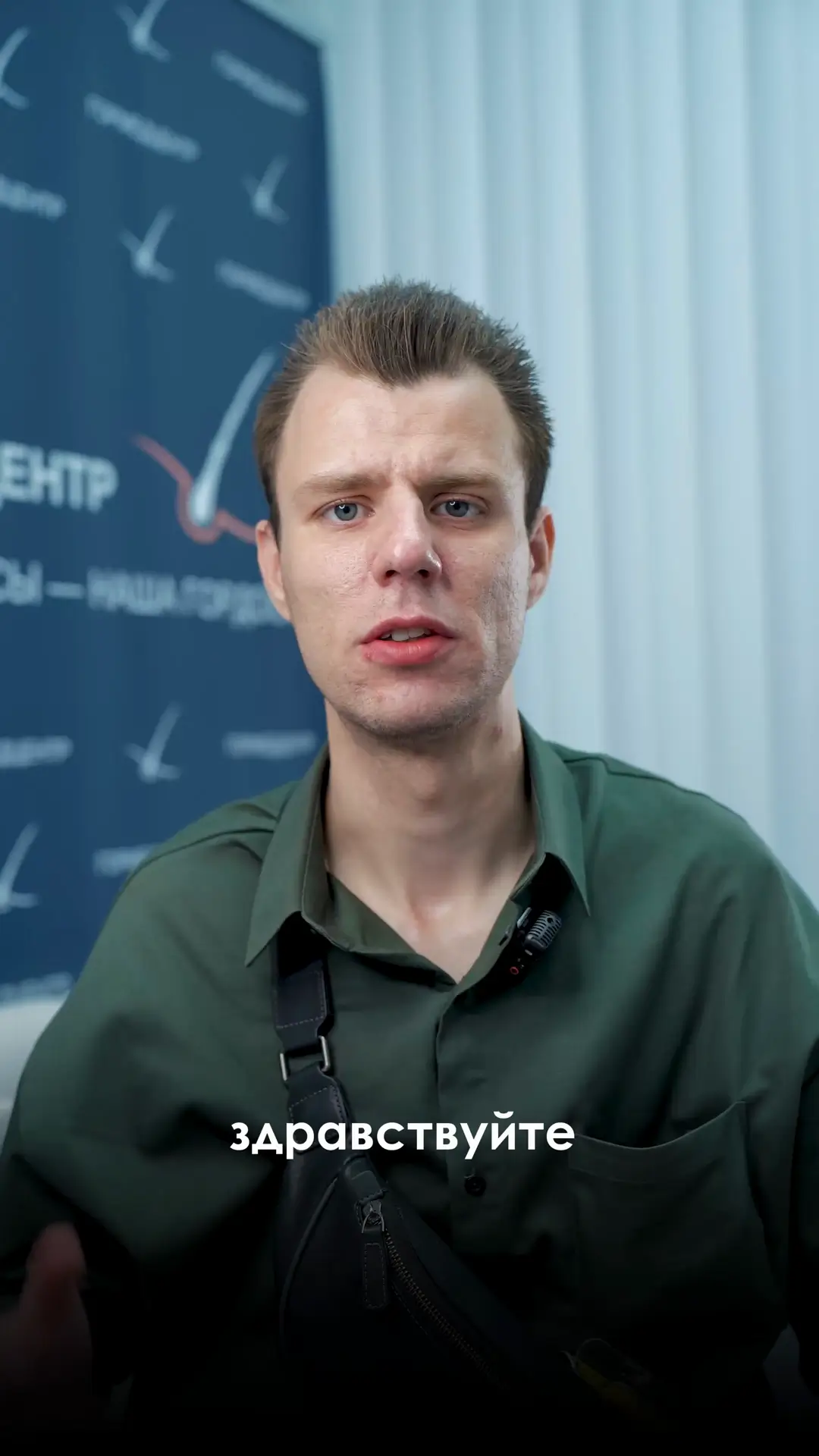
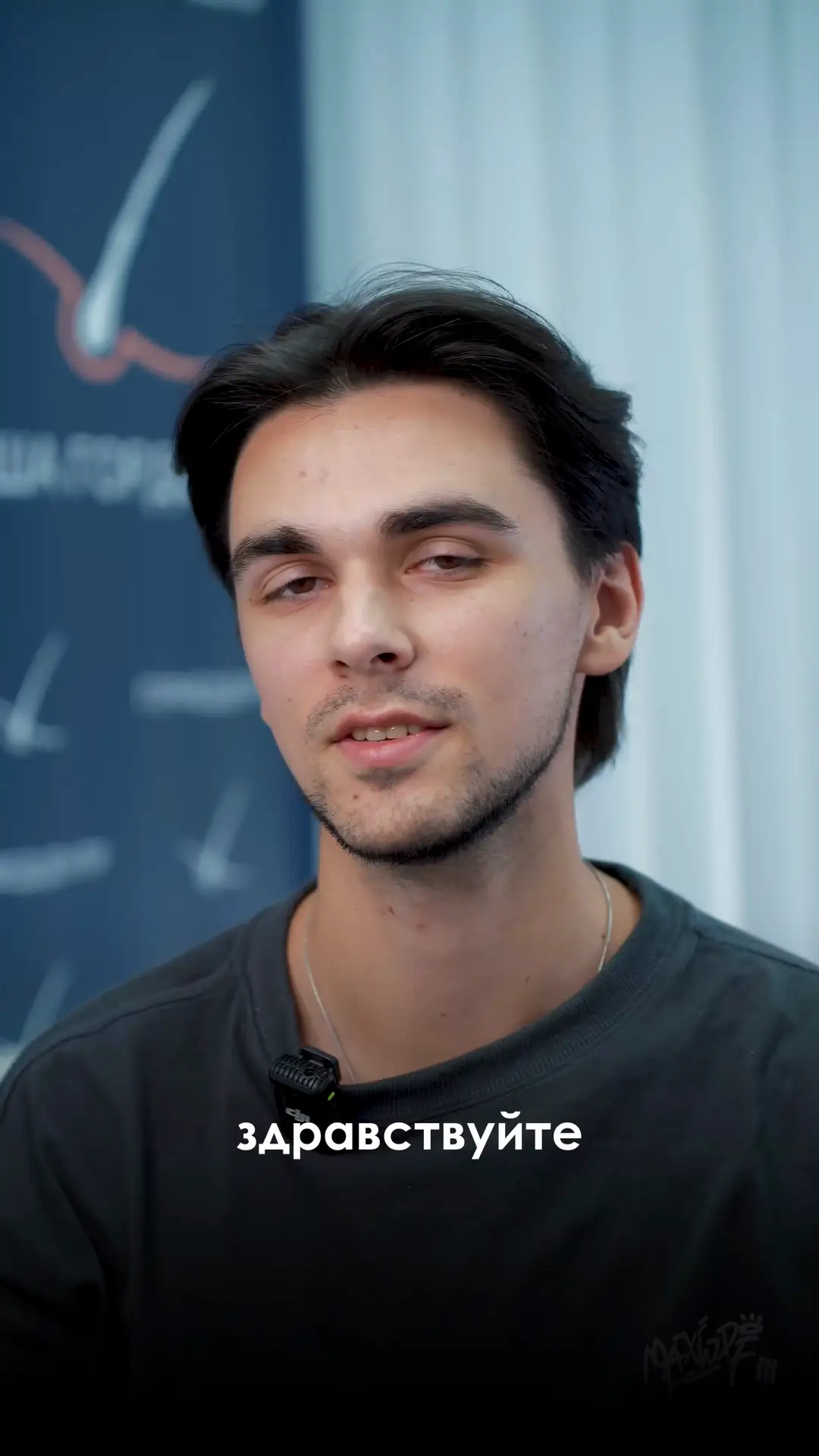

Questions are welcome, and the appointment is arranged around your schedule
Message us on Telegram Message us on WhatsApp Send your detailsWhat gets asked
Yes — the practice regularly handles people from a variety of cities and several countries, and you talk to the doctor online first.
FUE is $2,200 (≈ TND 6,500), DHI is $2,500 (≈ TND 7,400), combined DHI+FUE is $2,700 (≈ TND 8,000). A free consultation with a graft count gives you the exact, contract-fixed price.
The session runs a single day and ends with you going home.
Local anesthesia is used, so the operation passes without pain.
In FUE, grafts are harvested with a tweezer, no cuts or stitches involved. In DHI, a Choi pen implants grafts without opening channels first. The combined method pairs FUE harvesting with DHI implantation.
The count depends on your donor supply; a doctor establishes it during a consultation that costs nothing.
0–10 days and the scalp has healed. Between 2–4 weeks the placed hairs shed, as they should. New growth comes at 3–4 months, clear density at 6–9 months, the final picture at 12–18 months.
The clinic provides a lifetime guarantee on hair growth, stated in the contract.
We work under a medical licence, and care follows the standards and clinical guidelines
of the Ministry of Health.
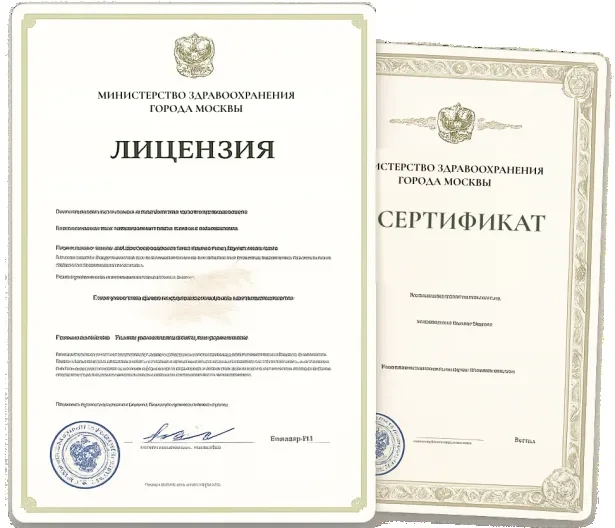
Clinic medical licence
No. Л041-01137-77/00754324

Qualification papers open to anyone who asks
Check our paperworkAKC POMOSHCH LLC
the clinic's legal entity
1057746096924
OGRN
7728536872
INN
FUE and DHI are built around convenience, which is what a patient in Sfax usually needs: no cuts, no stitches, local anaesthesia on its own, and an operation that finishes the day it starts.
One message is the whole beginning for a patient in Sfax. The online consultation is free, photographs of the thinning area go to the doctor, and the answer about a transplant follows. The clinic works 24/7.
Healing occupies 0-10 days and asks little of you. At 2-4 weeks the transplanted hairs come away, a normal part of the process that catches unprepared patients by surprise. Growth returns at 3-4 months.
Prices are in US dollars; the amount in brackets is an approximate conversion to TND at the rate of 02.10.2026. The final price is fixed in your contract.
By messaging us, you agree to our Privacy Policy
Sfax is Tunisia's second city and one of its hardest-working. It has the country's largest fishing port, a commercial harbour, phosphate processing, and a reputation as the place where much of Tunisia's olive oil and almonds come from. The most recent census, taken in November 2024 by the national statistics institute, counted 1,047,468 people in Sfax governorate, which is the governorate and not the city alone. That is more than a million people, many of them traders, workshop owners, port staff and office workers who do not have days to spare.
In a place like this, anything that is not urgent slides down the list, and thinning hair is a classic example. A man notices the corners of his hairline retreating or the parting widening, tells himself he will deal with it after the next busy season, and a few seasons pass. The practical point worth knowing is that a transplant does not ask for weeks off. The operation is completed within a single day, with no overnight stay, and you go home on the same day.
So the sensible way to plan is to start from your own diary rather than the clinic's. Look for a stretch when you can avoid crowded meetings and long hours outdoors, because the first ten days are when the scalp heals, the crusts come off and the swelling goes down.
Climate tables describe Sfax as a semi-arid Mediterranean city. Average daily highs reach about 32.8 degrees Celsius in July and 33.4 in August, while January highs sit near 17.5 with lows around 6.8. Rainfall is modest, roughly 217 mm over a year, yet relative humidity stays around 63 percent all year because the city sits on the coast, and sunshine adds up to more than three thousand hours annually.
For someone who has just had a transplant, the issue is not heat alone but heat plus humidity plus sweat. During the first ten days the scalp should be kept as clean and dry as the clinic's instructions allow, you should avoid standing in midday sun, and any headwear should be loose and breathable so it never presses on or rubs the treated area. Heavy physical work, whether at the port or on a building site, should wait until the coordinator and the doctor say it is fine.
The sea is close to almost every neighbourhood in Sfax, and the Kerkennah islands are a short boat ride away, but the first two weeks are not the time for salt water, pools or sand. Ask the doctor directly when swimming is acceptable and how to protect the scalp from the sun afterwards. Every scalp heals at its own pace, and the team follows yours through photographs, so rely on that rather than on what friends or neighbours remember from their own experience.
Medical practice in Tunisia is overseen by the national medical council, the Conseil National de l'Ordre des Médecins, known in Arabic as the doctors' order. Its official website carries a public directory where you can look a doctor up by surname, first name, specialty, governorate or regional council. The order has six regional councils, and the one in Sfax covers Sfax and Sidi Bouzid. Typing in the name of any surgeon that a middleman offers you takes a minute and tells you whether he or she is on the register and what specialty is recorded.
The website itself carries a note that the listed information is indicative and may not be fully up to date, and that official verification belongs to the national or regional council. In practice, that means checking the directory and, if anything looks odd, contacting the regional council in Sfax directly.
Ask the City Medical Centre coordinator who will actually perform your operation, and speak to that person during the consultation before agreeing to anything. The doctor who assesses your donor area, counts the grafts and explains what result you can realistically expect is the person you should question. A clear, patient answer is a good sign; vagueness or pressure is a warning.
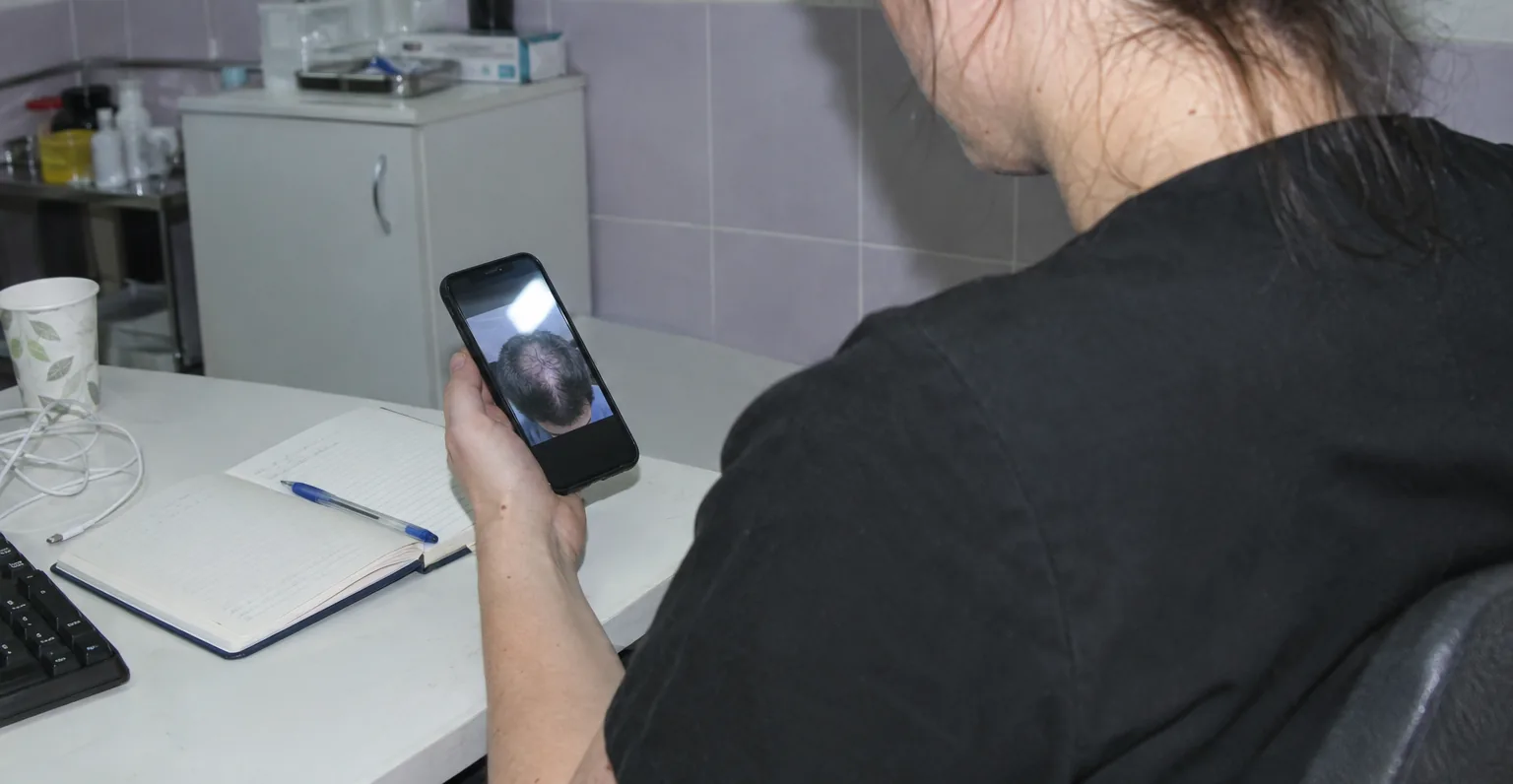
You do not need to go anywhere to find out whether a transplant would suit you. The coordinators are available around the clock on Telegram and Telegram, and the first consultation is free and online. They ask for photographs of the thinning area through the messenger, a doctor looks at them and replies on whether a transplant would help. Nothing has to be booked at this stage.
Take the pictures in daylight: the front hairline with hair swept back, both temples from the side, the crown, and the back and sides of the head, because the donor area at the back is where the grafts come from. Add a line about any tablets or lotions you have used and whether close relatives lost their hair early. If you usually hide the thin area with a style or a cap, photograph both ways, covered and uncovered.
Use this stage to ask three things. What is the difference between FUE, DHI and the combined method in your case? How many grafts will you need, judging by the donor area? And when are the follow-ups? The clinic checks in with photographs at months 1, 3, 6, 9 and 12, and your coordinator stays reachable for photos of how the growth is going.
From Sfax, autumn and winter look like the easier seasons. Average highs fall from about 27.3 degrees in October to 17.5 in January, so there is less need to be out under a fierce sun and a cap is no burden. Summer is not forbidden for someone who cannot wait, but it demands stricter care about sun, sweat and dust.
The timeline is the same everywhere. Healing takes 0-10 days, with crusts coming off and swelling subsiding. Between weeks 2 and 4 the transplanted hairs shed, which is a normal stage, and the follicles stay in place. New growth begins at 3-4 months, visible density builds at 6-9 months, and the final result appears at 12-18 months. Someone operated on in the autumn will see the first new hairs by late winter; someone operated on in spring will see real density before the following summer.
Yes. You start with an online consultation with a coordinator on Telegram or Telegram, send photographs of the thinning area and the donor area, and a doctor reviews them and tells you whether a transplant would help in your case.
The whole procedure is completed in one day, with no overnight stay, under local anaesthesia.
That is a question for the doctor, because the answer depends on how quickly your scalp heals. Do not go in until you have been told clearly that you may, and ask for sun-protection advice for afterwards.
Search the doctor's name in the directory on the website of Tunisia's national medical council, ordremedecins.tn, or ask the competent regional council, which for Sfax is the Sfax council. The directory is indicative, so also ask about specialty and professional background.
Between weeks 2 and 4 the transplanted hairs fall out, which is normal, and the follicles remain in place. Growth starts at 3-4 months, density is clear at 6-9 months, and the final result shows at 12-18 months.
FUE means grafts are taken with forceps without incisions or stitches. DHI means grafts are implanted with a Choi pen without opening channels. The combined method harvests with FUE and implants with DHI, and the doctor advises which suits you.
Yes. A coordinator stays with you after the operation, and checks with photographs take place at months 1, 3, 6, 9 and 12. You can write to the coordinator at any time.

 Forceps
 Minimal


